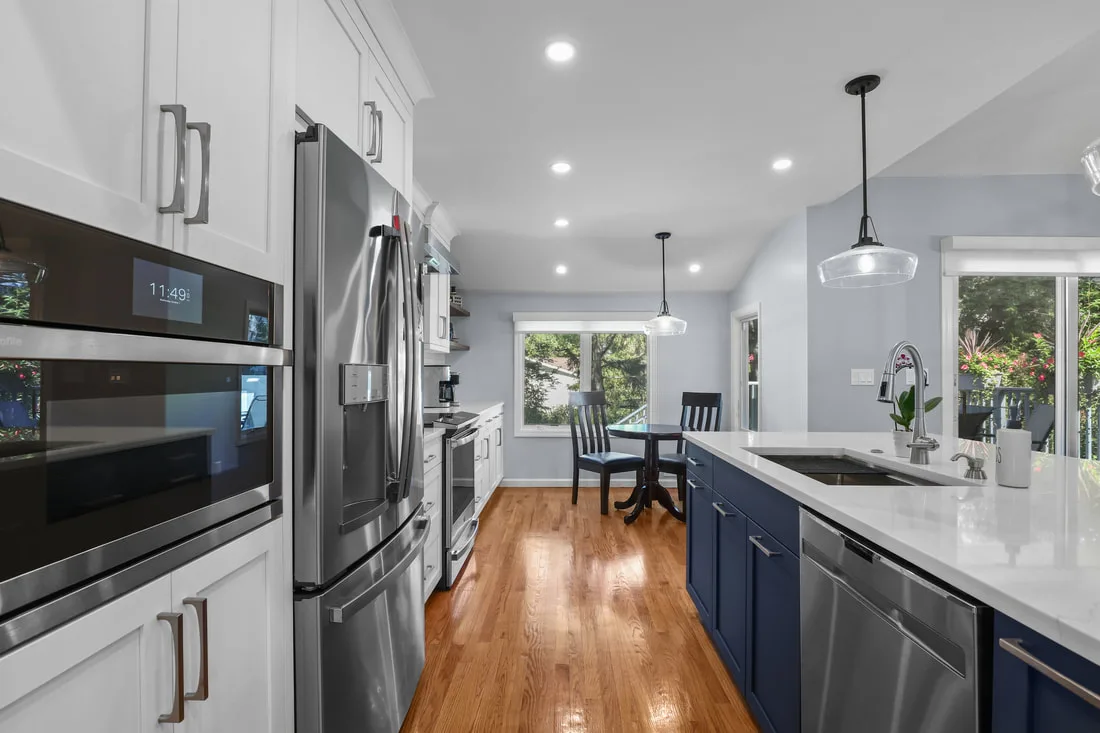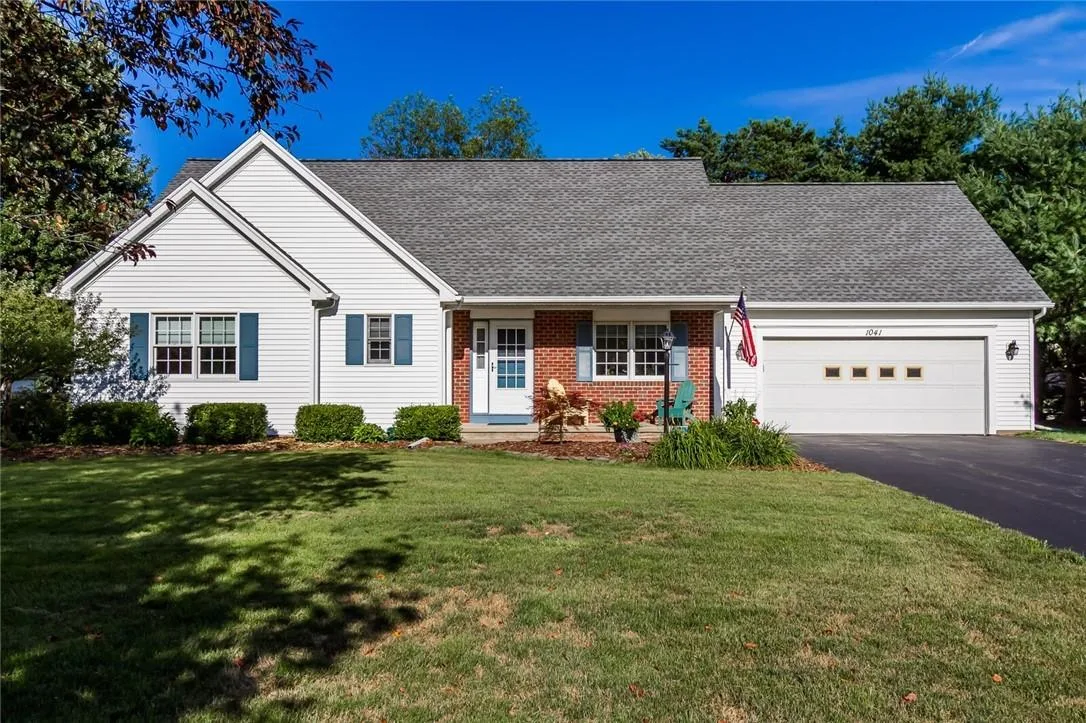
Home appraisers in Woodland Hills study your home’s features, compare similar sales, and review local market conditions. They use this evidence to develop a value opinion for a specific date.
If you plan to sell, buy, or settle a property matter, you may wonder which details count most. Does your new kitchen add its full cost? Will an ADU affect the result? Why does an online estimate show a different number?
Here is how the process works and what you can do to help.
What Does a Home Appraisal Tell You?
An appraisal gives you an independent opinion of your property’s value. The report explains the evidence behind that opinion and the purpose it serves.
It also states an effective date: the date the value applies to. This might be a current date or an earlier date for an estate matter.
Your appraised value can differ from other figures:
- Asking price: What you hope to receive.
- Sale price: What you and a buyer agree on.
- Assessed value: A figure used for property taxes.
- Online estimate: A value generated from available data.
Online tools may miss your home’s condition, upgrades, or unusual layout. An appraisal examines details relevant to your property and assignment.
The Home Appraisal Process: From Records to Report
The appraisal process connects your property’s details with evidence from the market. It starts with understanding why you need a value.
1. Discuss Your Needs
The appraiser confirms your purpose, the required date, and the work involved. A pre-listing appraisal may serve a different need from an estate or divorce appraisal.
For a mortgage, check with your lender first. The lender typically arranges its appraisal.
2. Review Your Property
The appraiser gathers information from public records, listing data, plans, and permits. When the assignment includes a visit, the appraiser documents the home’s features and condition.
3. Study Comparable Sales
Next, the appraiser researches homes that compete with yours. These sales help explain what buyers pay for similar properties.
4. Explain the Value Opinion
The appraiser weighs the findings and prepares a written report. You should be able to follow how the evidence supports the conclusion.
Which Features Affect Your Home’s Value?
Your home’s size, condition, layout, and site can affect its market appeal. Each feature needs support from buyer behavior rather than a fixed pricing formula.
Living Area and Layout
Square footage matters, but so does how you use the space. Appraisers consider bedrooms, bathrooms, room access, and the overall floor plan.
They also investigate relevant differences in property records. Price per square foot alone cannot explain every feature of your home.
Condition and Construction Quality
Appraisers look at maintenance, needed repairs, materials, and workmanship. A well-kept older home may compete differently from one with worn finishes or deferred repairs.
Lot, Views, and Access
Usable land, slope, privacy, parking, and access may influence value. A larger lot does not always offer more usable outdoor space.
Renovations and Added Features
A remodeled kitchen, pool, or solar system may add value. That contribution depends on the market and the feature’s details.
Your renovation bill documents what you spent. It does not prove how much more buyers will pay.
ADUs and Converted Spaces
An accessory dwelling unit, addition, or converted garage needs careful review. Permits, legal use, quality, and buyer demand all matter.
A detached ADU does not automatically count as part of the main home’s living area.
How Do Appraisers Choose Comparable Sales?
Appraisers choose homes that appeal to buyers considering a property like yours. The nearest sale may not provide the strongest comparison.
Relevant differences include:
- Property type and location.
- Living area and lot characteristics.
- Condition and construction quality.
- Layout and amenities.
- Sale timing and terms.
Closed sales show completed transactions. Listings and pending sales provide context about current competition.
If few similar homes have sold, the appraiser may need older sales or a wider search. The report should explain those choices.
Why Does Your Location Matter?
Your location matters when it affects the housing choices buyers make. Appraisers study your home’s competitive market within Woodland Hills.
For example, a hillside home may differ from a level-lot property in access, views, and usable land. A home near Ventura Boulevard or Warner Center may face different traffic patterns and surrounding uses.
These features do not carry automatic premiums or discounts. The appraiser looks for evidence of their effect.
Local market analysis also considers competing listings, marketing times, price changes, and seller concessions. A broad San Fernando Valley trend may not fully describe your property’s market.
How Do Appraisers Account for Differences?
Appraisers adjust comparable sale prices to reflect supported differences from your home.
Suppose your kitchen is older, while a similar sold home has a recent remodel. If buyers paid more for that upgrade, the appraiser may adjust the comparable’s price downward.
That adjustment helps make the comparison more relevant to your home. It reflects the upgrade’s market contribution rather than its construction cost.
Appraisers may also consider differences in size, location, sale terms, and market timing.
Do Appraisers Use Other Valuation Methods?
Appraisers consider other methods when they help support the assignment.
The cost approach examines land value and improvement costs, less depreciation. It can provide useful evidence for properties such as new construction.
The income approach examines the relationship between value and rental income. It can help when income plays an important role in buyer decisions.
The appraiser then weighs the most reliable evidence. The final opinion is not simply an average of every figure.
How Can You Prepare for Your Appraisal?
You can help by sharing accurate records and making the property accessible.
Before your scheduled visit:
- List major upgrades and completion dates.
- Gather available permits and floor plans.
- Provide records for additions or an ADU.
- Flag errors in public property records.
- Explain known condition issues.
- Arrange access to the areas included in the visit.
You can also share relevant sales for consideration. Let the appraiser assess their usefulness without requesting a target value.
Remember that an appraisal visit does not replace a specialist home inspection.
What Should You Check in Your Report?
Check your property’s description, the effective date, and the sales used. Review how the appraiser explains important differences.
If you find a factual error, provide evidence. A permit, floor plan, or verified sale record can help support your concern.
For a mortgage appraisal, ask your lender about its review process. A review does not guarantee a different value.
Choose Randy M. Sonns for a Home Appraisal in Woodland Hills
Randy M. Sonns is a California Certified Residential Appraiser based in nearby Canoga Park. His practice serves homeowners, buyers, sellers, executors, spouses, and attorneys.
When discussing your appraisal, ask about the required records, report scope, fee, and expected turnaround. Clear expectations help you choose the right service.
To discuss your property, visit Randy M. Sonns, Certified Residential Appraiser. Share why you need the home appraisal and the date the value should reflect.