Varicose Veins Treatment in Chennai: Causes and Symptoms

1. Introduction
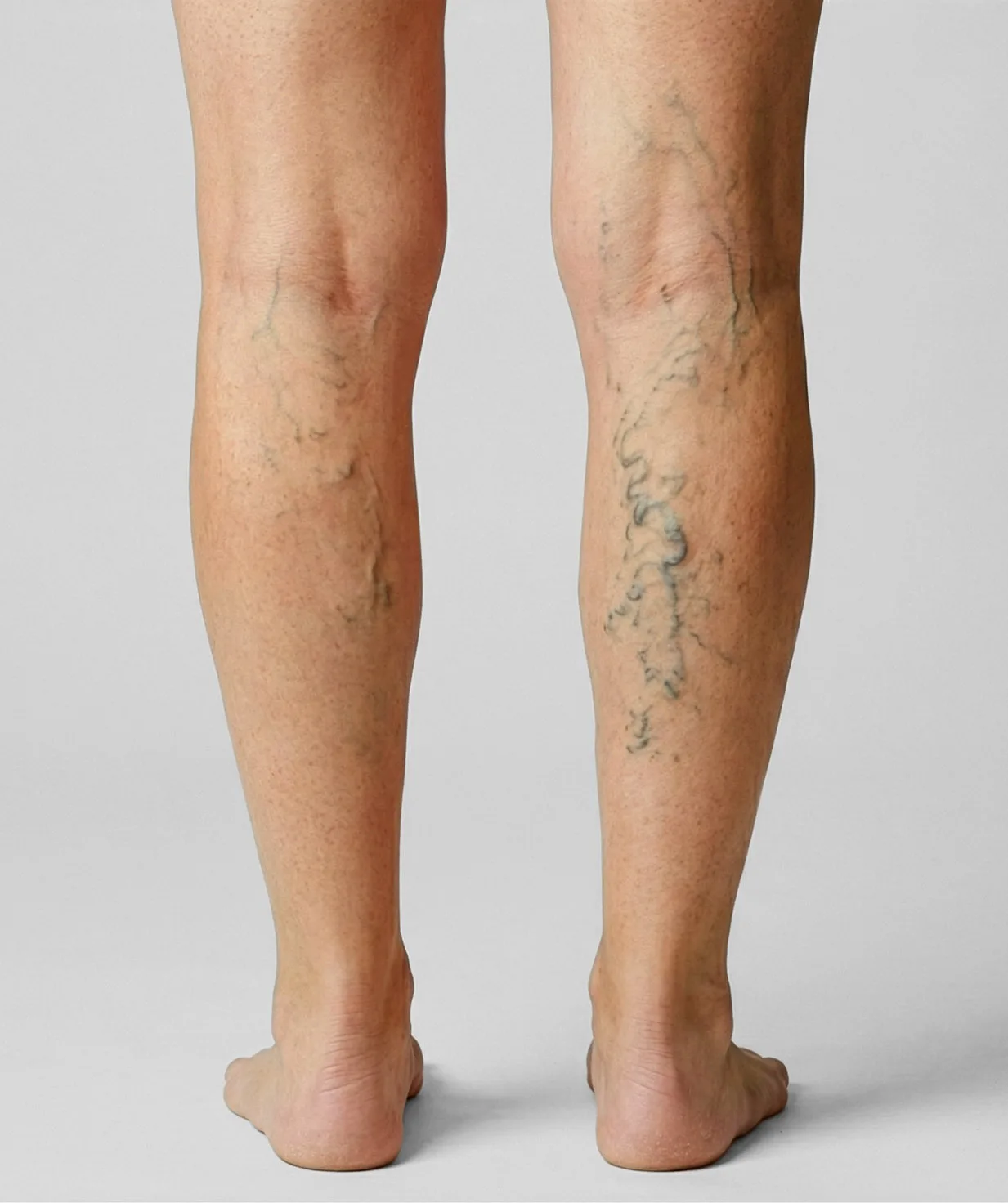
Varicose veins are enlarged, twisted veins that commonly appear in the legs. They may cause visible bulging veins, leg pain, swelling, heaviness, and discomfort, especially after standing or sitting for long periods.
If you are searching for varicose veins treatment in Chennai, understanding the causes, symptoms, and available treatment options is an important first step. Early medical evaluation can help identify the severity of the condition and determine the most appropriate care.
At RJR Herbal Hospital, patients can learn about available care options and suitable traditional approaches, depending on their individual needs and medical assessment.
2. What Are Varicose Veins?
Varicose veins develop when the valves inside the veins do not work properly, allowing blood to flow backward and pool in the veins. This causes the veins to enlarge and become twisted or prominent beneath the skin.
The condition most commonly affects the legs because the veins must work against gravity to return blood to the heart.
Key points:
- Visible, enlarged leg veins
- Poor functioning of vein valves
- Blood pooling in the affected veins
- Possible pain, swelling, and heaviness in the legs
3. Common Varicose Veins Symptoms
Varicose veins symptoms can range from mild discomfort to more noticeable changes in the legs. Some people may not experience pain in the early stages.
- Bulging Leg Veins: Enlarged, twisted veins visible beneath the skin.
- Leg Pain and Aching: Discomfort that may worsen after prolonged standing.
- Swelling: Swelling around the ankles and lower legs.
- Heaviness in the Legs: A feeling of tiredness or heaviness.
- Burning or Throbbing: Discomfort around affected veins.
- Muscle Cramps: Leg cramps, particularly at night.
- Itching and Skin Irritation: Itching around the affected veins.
- Skin Discoloration: Darkening or other changes in the skin near the ankles.
4. What Causes Varicose Veins?
Several factors may increase the risk of developing varicose veins.
- Weak vein valves: Blood flows backward and collects in the veins.
- Family history: A family tendency can increase the risk.
- Prolonged standing or sitting: Remaining in one position for long periods can worsen symptoms.
- Pregnancy: Hormonal changes and increased blood volume can contribute.
- Excess body weight: Additional pressure can affect leg veins.
- Age: Vein valves may weaken over time.
5. How Do Varicose Veins Affect Blood Circulation?
Healthy veins carry blood from the legs back toward the heart. When vein valves become weak, blood may flow backward and pool in the veins. This increases pressure and causes veins to enlarge.
Poorly functioning leg veins may contribute to swelling, discomfort, skin changes, and, in some cases, ulcers. A medical assessment can help determine whether your symptoms are related to varicose veins.
6. Varicose Veins Treatment in Chennai
The appropriate varicose veins treatment in Chennai depends on the symptoms, severity, and condition of the affected veins.
Common treatment options include:
- Lifestyle changes: Regular walking, maintaining a healthy weight, and elevating the legs while resting.
- Compression stockings: May help relieve swelling and discomfort when recommended by a healthcare professional.
- Sclerotherapy: A medical procedure that closes affected veins using a special solution or foam.
- Laser or radiofrequency treatment: Minimally invasive procedures used to close certain affected veins.
- Surgery: May be considered in selected cases.
A duplex ultrasound scan may be recommended to assess blood flow and identify faulty vein valves before deciding on treatment.
7. Traditional Siddha and Ayurvedic Approaches
Patients interested in traditional care may consult qualified Siddha or Ayurvedic practitioners to discuss suitable supportive approaches. Treatment should be individualized, and traditional therapies should not be presented as a proven cure for faulty vein valves.
Important: Do not delay vascular assessment or medically recommended treatment in favour of unproven remedies.
8. Lifestyle Tips for Better Leg Health
- Walk regularly, according to your ability.
- Avoid sitting or standing in one position for long periods.
- Elevate your legs while resting.
- Maintain a healthy weight.
- Seek medical advice if pain, swelling, or skin changes persist.
These steps may help ease symptoms, but they do not necessarily eliminate existing varicose veins.
9. Why Choose RJR Herbal Hospital?
At RJR Herbal Hospital, patients can enquire about available traditional healthcare approaches and receive guidance on appropriate next steps for their concerns.
When considering varicose veins treatment in Chennai, it is important to understand the available options, seek an appropriate medical assessment, and choose a treatment plan based on your individual condition.
Conclusion
Varicose veins are more than a cosmetic concern. Bulging veins, leg pain, swelling and heaviness can affect your daily comfort, and they may worsen over time if ignored. The most important step is an early medical assessment, such as a duplex ultrasound, to understand the severity of your condition and choose the right care. Lifestyle habits like regular walking, leg elevation and healthy weight management can ease symptoms. If you are exploring varicose veins treatment in Chennai, choose an approach based on your individual diagnosis, not on quick-fix claims.
Frequently Asked Questions (FAQs)
1. What are the early symptoms of varicose veins?
Early symptoms include visible, twisted veins in the legs, aching or heaviness after standing for long periods, ankle swelling, night cramps and itching around the veins. Some people have no pain at first, so persistent leg changes should be checked by a doctor.
2. Which treatment options are available for varicose veins in Chennai?
Options include lifestyle changes, compression stockings, sclerotherapy, laser or radiofrequency treatment, and surgery in selected cases. The right choice depends on symptoms and vein condition, usually confirmed by a duplex ultrasound. Traditional Siddha and Ayurvedic care may be explored as supportive care, not as a replacement for medical assessment.
3. When should I see a doctor for varicose veins?
See a doctor if you notice persistent pain, worsening swelling, skin darkening, itching, or sores near the ankles. Seek care promptly if a vein becomes hard, red, or very painful. Early evaluation helps prevent complications such as ulcers.