Indoor air can contain harmful microorganisms that standard filters cannot eliminate. Over time, mold, bacteria, and viruses can build up in HVAC systems, affecting air quality and equipment performance. Installing uv light for hvac provides an efficient solution to these problems, ensuring cleaner air and better system operation.
The Science of UV-C Technology
UV-C light destroys the DNA of microorganisms, preventing them from reproducing. When installed inside an HVAC system, UV lamps disinfect air as it passes through coils and ductwork. This continuous process keeps the system clean and reduces the spread of airborne pathogens.
Health Advantages
By neutralizing bacteria, viruses, and mold, UV light can reduce allergies, respiratory issues, and infections. Cleaner air benefits everyone in a building, from homes to offices and commercial spaces. It is particularly important for those with asthma, allergies, or weakened immune systems.
Protecting HVAC Components
Mold and biofilm can accumulate on coils and ducts, restricting airflow and reducing efficiency. UV lamps keep these components clean, allowing the system to operate smoothly. This reduces strain on the equipment, lowers energy costs, and extends the life of the HVAC system.
Installation Options
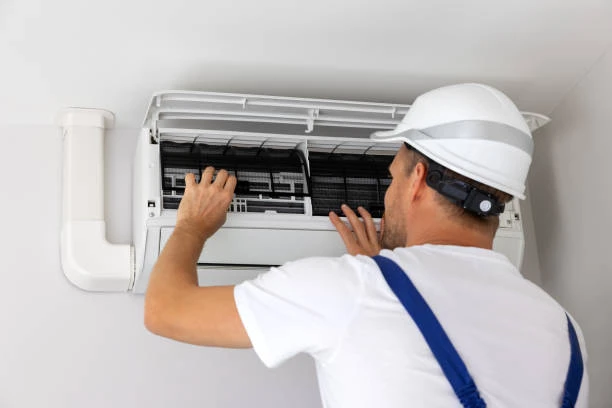
UV systems are typically installed in one of two ways: near the evaporator coil to prevent microbial growth or inside ductwork to disinfect moving air. Professional technicians assess the system to determine which installation method will provide the greatest benefit.
Maintenance and Longevity
UV bulbs lose intensity over time and typically require replacement every 12 to 24 months. Regular maintenance ensures consistent air purification and allows technicians to inspect other parts of the HVAC system, helping prevent small issues from becoming major problems.
Cost Considerations
The initial installation cost varies based on system size and UV lamp type. However, the investment is offset by reduced energy consumption, fewer repairs, and improved indoor air quality. Over time, these savings make UV light a valuable addition to any HVAC system.
Safety Measures
While UV light is effective at neutralizing pathogens, direct exposure can be harmful. Lamps are securely installed within the system, and maintenance is performed by trained technicians using appropriate protective gear. This ensures safe operation for both the system and building occupants.
Conclusion
Installing uv light for hvac systems is an effective way to improve indoor air quality, protect HVAC components, and reduce energy costs. With professional installation and routine maintenance, UV technology provides long-lasting benefits, creating a healthier and more efficient indoor environment.