
Many women notice bleeding or spotting after menopause but may assume it is simply a hormonal change. It can be easy to put it off, especially when there is no pain or other obvious problem. However, bleeding after menopause is not something that should be ignored. It can be one of the early signs of uterine cancer and deserves proper medical evaluation.
If you are searching for information about uterus cancer symptoms and want to understand how Ayurveda may support overall well-being during cancer care in Sasaram, this article explains the common symptoms, risk factors, types of uterine cancer, and supportive approaches in simple terms.
What Is Uterus Cancer?
Uterus cancer develops in the tissues of the uterus. One of the most common types is endometrial cancer, which begins in the inner lining of the uterus.
The risk of uterine cancer can be influenced by several factors, including age, hormonal changes, and excess body weight. According to World Cancer Research Fund data based on 2022 figures, India reported around 17,240 new cases of endometrial cancer.
Not every case of unusual bleeding is related to cancer. Still, if bleeding patterns change without an obvious reason, particularly after menopause, it is better to get the cause checked rather than wait for it to go away.
What Are the Different Types of Uterus Cancer?
There are different types of cancer that can develop in the uterus.
Endometrial cancer is the most common type and starts in the lining of the uterus. Uterine sarcoma is less common and develops in the muscle or other supporting tissues of the uterus.
The type and stage of cancer can vary from person to person. Because of this, treatment is not the same for everyone. A healthcare professional can recommend the appropriate tests and treatment after assessing the individual's condition.
What Are the Early Uterus Cancer Symptoms?
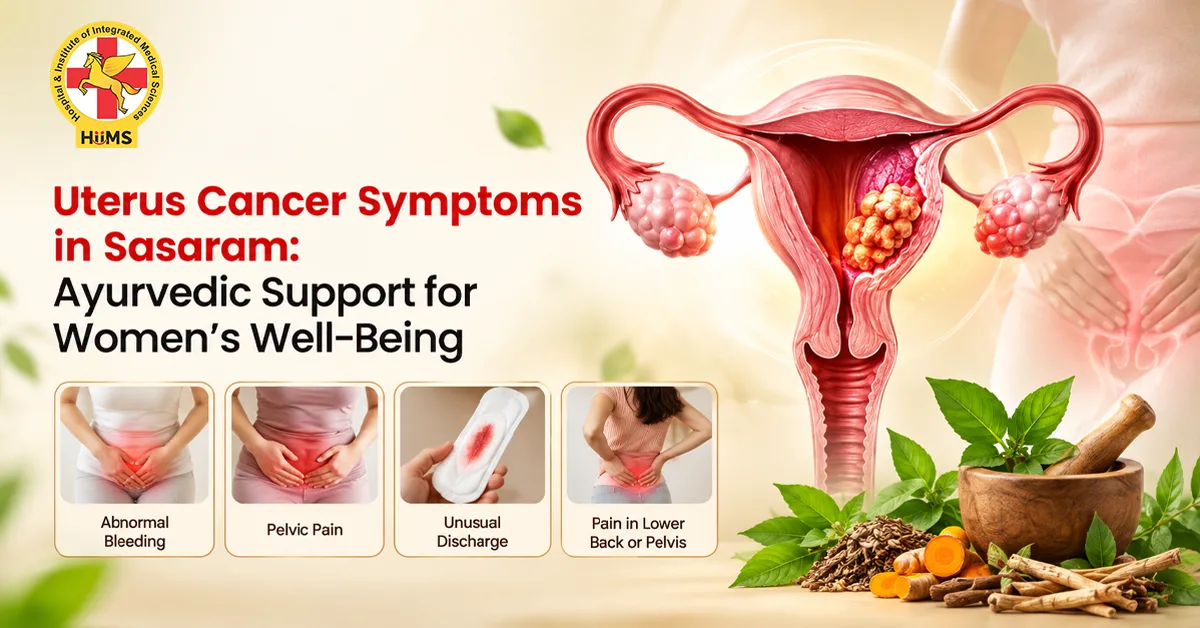
Knowing the possible uterus cancer symptoms can help women recognise changes that need attention. Some common signs include:
- Bleeding after menopause
- Periods that become unusually heavy or last longer than usual
- Bleeding or spotting between periods
- Watery or blood-stained vaginal discharge
- Pain, pressure, or heaviness in the pelvic area
- Pain during intimacy
These symptoms do not automatically mean that someone has uterine cancer. They can also be caused by other health conditions. However, symptoms that are unusual, persistent, or different from your normal pattern should be discussed with a healthcare professional.
What Can Increase the Risk of Uterus Cancer?
Uterine cancer does not have one specific cause. Several factors can increase the chances of developing it, such as:
- Hormonal changes involving estrogen and progesterone
- Being overweight or obese
- Starting menstruation at an early age
- Reaching menopause later in life
- Increasing age, particularly after menopause
- Certain hormone-based treatments
- Some medical conditions that affect hormone balance
Having one of these risk factors does not mean that a woman will develop cancer. It simply means that paying attention to symptoms and maintaining regular healthcare becomes especially important.
How Can Ayurveda Support Women During Cancer Care?
Cancer treatment can be physically and emotionally demanding. Along with the treatment recommended by the medical team, some people may also consider Ayurveda as a form of complementary support.
Ayurvedic care may focus on areas such as nutrition, digestion, sleep, gentle movement, relaxation, and emotional well-being. The approach should be personalised because every person's health condition and treatment journey is different.
It is also important to be careful with Ayurvedic herbs, medicines, or procedures during cancer treatment. Some products can interact with medicines or other treatments. Therefore, any complementary approach should be discussed with the treating healthcare team before starting it.
Supportive Care at Jeena Sikho HiiMS Sasaram
At Jeena Sikho HiiMS Sasaram, supportive wellness approaches may be planned according to a person's health condition, strength, and ongoing treatment.
Depending on individual needs, these may include:
- Golden Therapy: This involves the external application of a traditional herbal paste. It may be considered as part of supportive care when appropriate for the individual.
- Cancer Detox Juice: A drink prepared using vegetables, herbs, and other natural ingredients such as leafy greens, ginger, mint, coriander, curry leaves, raw turmeric, beetroot, and amla. Dietary choices should be adjusted according to the individual's health and medical requirements.
- Panchakarma-based approaches: Traditional procedures such as Virechana or Basti may be considered in selected cases. They should not be followed as a fixed routine and need to be planned according to the individual's condition.
- Diet and lifestyle guidance: Personalised nutrition, gentle yoga, relaxation practices, and lifestyle guidance may help support physical and emotional well-being.
These approaches are intended as supportive care and should not be considered a substitute for cancer treatment such as surgery, chemotherapy, radiation, or other treatment recommended by a qualified medical team.
Conclusion
Some uterus cancer symptoms can be easy to overlook, especially when changes in bleeding are blamed on age or hormonal fluctuations. However, bleeding after menopause, unusually heavy periods, unusual vaginal discharge, or ongoing pelvic discomfort should not be dismissed.
Getting unusual symptoms checked early can help identify their actual cause and allow appropriate care to begin when necessary.
For women already undergoing cancer treatment, supportive practices such as appropriate nutrition, gentle activity, relaxation, and selected Ayurvedic approaches may contribute to overall well-being when used alongside recommended medical care.
If you or someone in your family is experiencing unusual symptoms or has already been diagnosed with uterine cancer, speak with a qualified healthcare professional. If you are considering Ayurvedic support, discuss it with your treating medical team to ensure that it fits safely with the ongoing treatment plan.
FAQs
1. Is bleeding after menopause always caused by uterus cancer?
No. Bleeding after menopause can happen for several reasons, and it does not always indicate cancer. However, it should be checked by a healthcare professional because it can sometimes be an early warning sign of uterine cancer.
2. Can being overweight increase the risk of uterus cancer?
Yes. Excess body weight can affect hormone levels and is associated with a higher risk of endometrial cancer. Maintaining a healthy lifestyle can support overall health and may help reduce certain risk factors.
3. Can Ayurveda be taken along with cancer treatment?
Ayurveda may be used as complementary supportive care in some cases, but it should not replace recommended cancer treatment. Always inform your treating healthcare team about any Ayurvedic medicines, herbs, or procedures you plan to use.
4. Is uterus cancer more common after menopause?
The risk of uterine cancer generally increases with age, and many cases occur after menopause. Therefore, any new bleeding or spotting after menopause should be evaluated rather than assumed to be a normal change.
5. What is Golden Therapy?
Golden Therapy refers to an external traditional herbal application involving a herbal paste. Whether it is appropriate during cancer care depends on the individual's condition and treatment plan, so it should be discussed with the treating healthcare team before use.