
Uterine fibroids are noncancerous growths that develop in or around the uterus. While many fibroids cause no noticeable symptoms, others can grow large enough to affect blood flow to their own tissue. When a fibroid does not receive enough blood and oxygen, it may begin to break down in a process known as Fibroid Degeneration. This process can cause sudden pelvic discomfort, abdominal pain, and tenderness.
Although degeneration is often a natural change within a fibroid, the symptoms can sometimes be severe. Understanding the warning signs, possible causes, and available treatments can help you know when to seek medical care.
What Is Uterine Fibroid Degeneration?
Fibroid degeneration occurs when the blood supply to a fibroid becomes insufficient to support its tissue. As a result, parts of the growth begin to break down. This can happen when a fibroid becomes too large for its available blood supply or when changes in circulation affect the surrounding tissue.
Degeneration does not mean that a fibroid has become cancerous. Uterine fibroids are overwhelmingly benign, and degeneration is generally a noncancerous process.
There are several types of degeneration, including:
- Hyaline degeneration: The most common type, involving the replacement of normal fibroid tissue with a protein-like material.
- Cystic degeneration: Occurs when areas of the fibroid develop fluid-filled spaces.
- Red degeneration: Involves bleeding within the fibroid and is sometimes associated with pregnancy.
- Calcific degeneration: Happens when calcium deposits develop in the fibroid, often as it ages or loses its blood supply.
The type of degeneration can influence the symptoms and imaging findings.
What Are the Causes of Fibroid Degeneration?
There are several possible Causes of fibroid degeneration, but reduced blood flow is the central factor. As fibroids grow, their blood supply may become inadequate for their size.
Other circumstances can contribute to changes in blood flow or fibroid tissue, including:
Fibroid growth: Larger fibroids may outgrow their available blood supply, causing some areas to receive insufficient oxygen.
Pregnancy-related changes: Hormonal and circulatory changes during pregnancy can affect fibroids. Red degeneration is a recognized cause of acute fibroid pain during pregnancy.
Changes in circulation: Alterations in the blood vessels supplying a fibroid may contribute to tissue breakdown.
Natural changes over time: Some fibroids undergo degenerative changes as they age or as hormone levels change, including during the transition toward menopause.
Not every fibroid will degenerate, and the process can occur without noticeable symptoms.
Warning Signs of a Degenerating Fibroid
Symptoms vary depending on the fibroid's size, location, and type of degeneration. Some women experience mild discomfort, while others develop sudden and intense pain.
Common warning signs include:
- Sudden pelvic pain: Pain may develop when a fibroid begins to degenerate, particularly with red degeneration.
- Lower abdominal tenderness: The area around the uterus may feel sore or sensitive to pressure.
- Abdominal swelling or pressure: Larger fibroids may already cause a feeling of fullness, which can become more uncomfortable.
- Low-grade fever: Inflammation associated with degeneration may sometimes cause a mild fever.
- Nausea: Severe pain and inflammation can contribute to nausea or general discomfort.
- Changes in menstrual bleeding: Some women may notice heavier or irregular bleeding, although bleeding changes are not specific to degeneration.
What Does Degenerating Fibroid Pain Feel Like?
Degenerating fibroid pain can range from a dull ache to sharp, persistent pelvic pain. It may be concentrated in the lower abdomen or occur on one side, depending on the fibroid's location.
Pain associated with red degeneration can be particularly intense and may last several days or longer. Some women experience discomfort that worsens with movement, pressure, or certain physical activities.
However, sudden pelvic pain does not automatically mean a fibroid is degenerating. Ovarian cyst complications, pelvic infections, pregnancy-related conditions, and other problems can cause similar symptoms. Severe or sudden pain needs prompt medical assessment.
How Is Fibroid Degeneration Diagnosed?
A healthcare provider may begin by reviewing your symptoms, menstrual history, pregnancy status, and medical background. A pelvic examination may help identify uterine enlargement or tenderness.
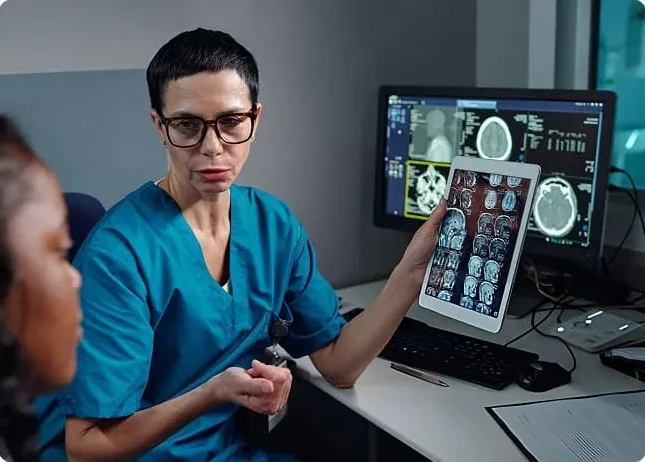
Imaging tests are often used to confirm the diagnosis and assess the fibroid.
Pelvic ultrasound: This is commonly used to identify fibroids, measure their size, and evaluate changes in their appearance.
MRI: Magnetic resonance imaging can provide more detailed information about fibroid location, tissue characteristics, and possible degenerative changes.
Blood tests: These may be recommended when there are concerns about infection, inflammation, or blood loss.
Because other conditions can cause similar symptoms, your healthcare provider may also recommend additional testing based on your individual situation.
What Are the Treatment Options for Fibroid Degeneration?
The appropriate Fibroid degeneration treatment depends on the severity of your symptoms, the type and size of the fibroid, and your overall health.
Pain Management and Observation
Mild degeneration-related discomfort may improve with rest and appropriate pain medication. A healthcare provider may recommend anti-inflammatory medication when suitable. Follow-up may be needed to monitor symptoms and changes in the fibroid.
Hormonal Medication
Certain medications can help manage heavy menstrual bleeding and other fibroid-related symptoms. However, they do not directly reverse every type of degenerative change. Your provider can explain whether medication is appropriate for your symptoms.
Uterine Fibroid Embolization
Uterine fibroid embolization (UFE) is a minimally invasive procedure performed by an interventional radiologist. The specialist inserts a thin catheter into an artery and directs it toward the blood vessels supplying the fibroids. Tiny particles are released to reduce blood flow, causing the fibroids to shrink gradually.
UFE may be an option for women with symptomatic fibroids who want to avoid major surgery. It is not an emergency treatment for every case of acute degeneration, and suitability depends on imaging findings and individual health factors.
Surgery
Myomectomy removes fibroids while preserving the uterus. It may be considered when symptoms are severe or other treatments are unsuitable. Hysterectomy, which removes the uterus, is another option for women who do not wish to carry future pregnancies and need definitive treatment.
When Should You Seek Medical Attention?
Contact a healthcare provider if you experience persistent pelvic pain, worsening menstrual symptoms, or new abdominal pressure. Seek urgent medical care for sudden severe pain, fainting, dizziness, heavy bleeding, persistent vomiting, or fever with significant pelvic discomfort.
These symptoms may indicate a condition that requires immediate attention rather than fibroid degeneration alone.
Explore Fibroid Treatment Options With USA Fibroid Centers
Fibroid degeneration can cause uncomfortable symptoms, but the right evaluation can help determine what is happening and which treatment may be appropriate. The size and location of your fibroids, the severity of your symptoms, and your reproductive goals all matter when choosing care.
USA Fibroid Centers provides information and evaluations for women experiencing uterine fibroid symptoms. If fibroids are affecting your daily life, speaking with a specialist can help you understand options such as uterine fibroid embolization and whether a minimally invasive approach may be suitable.