Rooftops are becoming valuable spaces in the move toward cleaner energy. Instead of being used only to shelter a building, a well-planned roof can support technologies that help reduce conventional energy consumption. Solar electricity generation and solar water heating are two practical applications that can work particularly well for homes, hotels, offices, institutions, and commercial properties. Although both rely on sunlight, they serve different purposes and require different equipment.
Turning an Empty Roof Into an Energy Asset
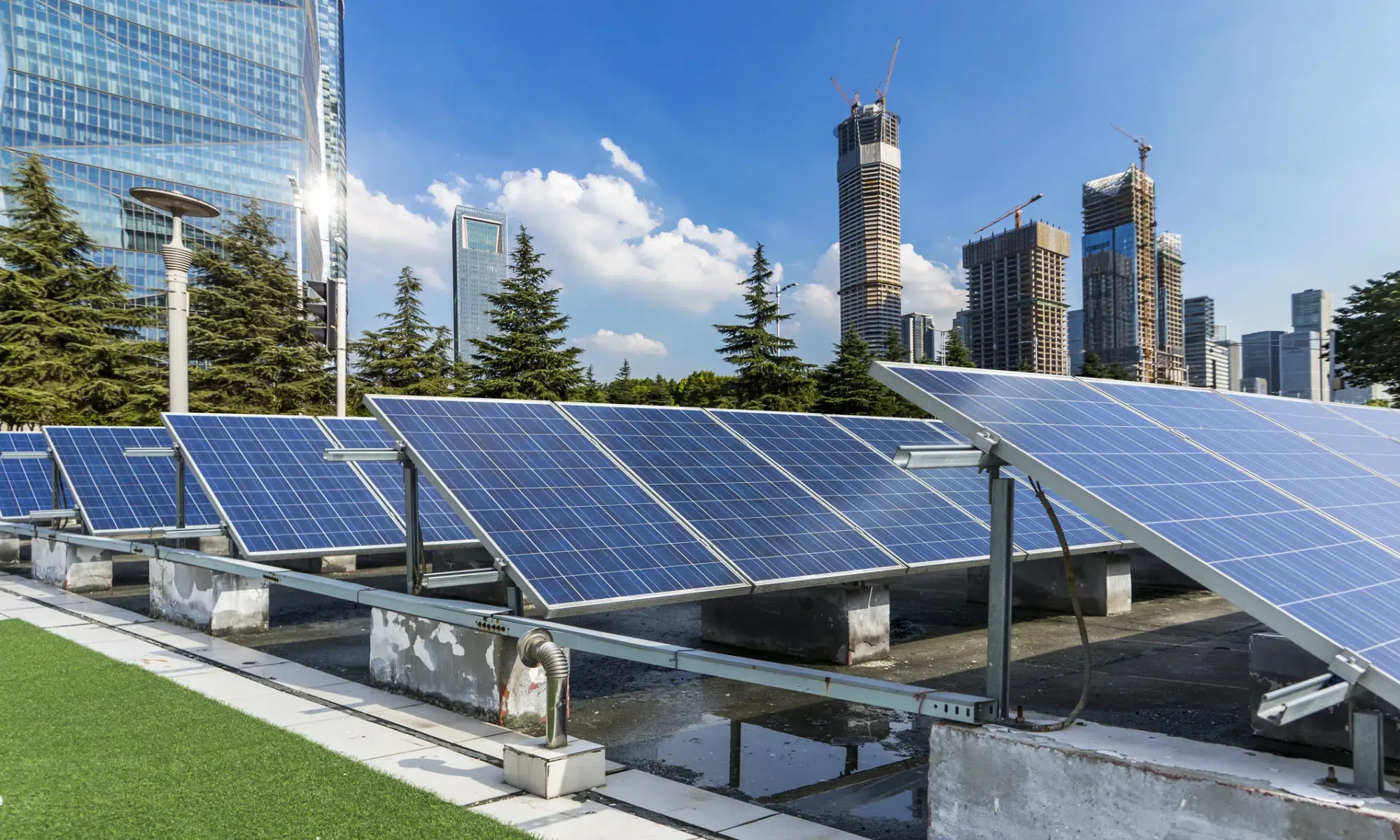
A solar rooftop system uses photovoltaic panels to convert sunlight into electricity. The generated power can be used for lighting, appliances, computers, air-conditioning equipment, pumps, and other electrical loads.
One advantage of rooftop installation is that it makes productive use of existing building space. Property owners don't necessarily need additional land to generate solar electricity. Depending on the configuration and applicable local rules, excess generation may be exported to the grid or stored using batteries.
Solar Heating Works Differently
Electricity isn't the only useful form of energy that sunlight can provide. A solar water heating system captures the sun's thermal energy and uses it to heat water.
Collectors absorb solar heat and transfer it to water or a heat-transfer medium. The heated water is then stored in a tank for later use. This makes the technology especially useful in locations where hot water is required regularly throughout the day.
Residential Applications
For a family home, rooftop photovoltaic panels can help supply electricity for everyday activities, while solar thermal equipment can handle a portion of hot-water requirements. This combination allows the property to use sunlight for two separate energy needs.
Before installation, homeowners should consider their typical electricity consumption, household size, hot-water demand, available roof space, and shading conditions. These factors help determine the appropriate equipment and capacity.
Commercial and Institutional Uses
The potential becomes even more interesting in properties with substantial energy and hot-water requirements. Hotels may need electricity for lighting and cooling while simultaneously requiring large volumes of hot water for guests.
Hostels, hospitals, restaurants, educational campuses, and residential communities can also explore combined solar solutions. The exact configuration depends on operating schedules, available roof space, water demand, and electrical consumption.
Planning the Roof Carefully
A roof may appear spacious, but not every section is necessarily suitable for solar equipment. Water tanks, ventilation systems, stairwell structures, neighboring buildings, and trees can create shadows or reduce usable space.
Structural strength should also be considered. Before installation, professionals should evaluate the roof condition and determine where equipment can be safely positioned. Good planning can make future cleaning and servicing easier as well.
Selecting Quality Equipment
Solar performance depends on more than sunlight. The quality of panels, collectors, inverters, storage tanks, mounting structures, wiring, insulation, and protective components can influence reliability.
Customers should request clear technical information before purchasing equipment. Warranty conditions should also be understood, particularly for major components. A transparent quotation should explain what is included in the installation rather than presenting only a single final price.
Maintenance for Consistent Performance
Solar installations generally don't require complicated daily maintenance, but periodic checks are worthwhile. Photovoltaic panels can collect dust and debris, while thermal collectors may also require cleaning to maintain effective sunlight absorption.
Other components, including wiring, mounting hardware, pipes, valves, insulation, storage tanks, and inverters, should be inspected according to manufacturer recommendations. Early maintenance can help prevent small issues from becoming expensive repairs.
Combining Solar With Smart Energy Use
Installing solar equipment is only one part of improving energy efficiency. Property owners can also reduce unnecessary consumption by choosing efficient appliances, managing daytime loads, and avoiding energy wastage.
For businesses, scheduling certain electricity-intensive activities during strong solar-generation periods may help make better use of the power produced on-site. Similarly, understanding daily hot-water demand can help optimize thermal energy use.
A Practical Path Forward
Using a building's rooftop for both electricity generation and water heating can make solar energy more useful across different parts of a property. The two technologies address separate needs, yet they can complement each other effectively.
The best approach is to begin with an assessment of electricity consumption, hot-water requirements, roof conditions, and available sunlight. With suitable equipment, professional installation, and regular care, rooftop solar solutions can support lower conventional energy use and create a more sustainable energy strategy for years to come.