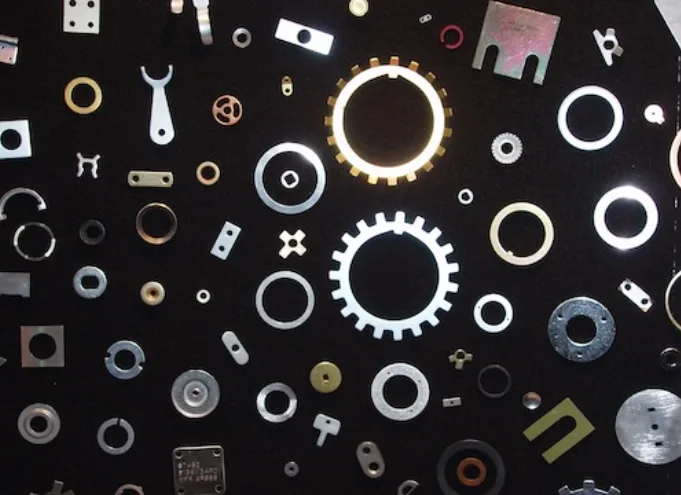
Precision metal components play an important role in products and assemblies where fit, stability, and consistency matter. Washers, stamped parts, and formed components may appear small, but they can perform essential mechanical functions across construction, machinery, automotive, electrical, and manufacturing applications. custom metal washers manufacturing allows components to be produced according to specific dimensional and material requirements, while Made in America Custom stamping supports the production of precisely shaped metal parts for specialised applications. Understanding their different use cases helps businesses select suitable components for demanding projects.
Supporting Mechanical Assembly
Washers are widely used in mechanical assemblies to distribute loads, support fasteners, and protect surfaces. Standard components may not always provide the dimensions or specifications required for a particular application. Custom manufacturing can address these requirements by producing washers according to specific project needs.
The use of custom metal washers manufacturing can be particularly valuable when an assembly requires unusual dimensions, thicknesses, hole sizes, or shapes.
Common Mechanical Uses- Supporting bolts and nuts
- Distributing pressure across surfaces
- Protecting assembly surfaces
- Maintaining suitable spacing
- Supporting specialised fastening arrangements
By producing components according to defined specifications, manufacturers can help ensure that washers integrate appropriately into the intended assembly.
Producing Components for Machinery
Industrial machinery often contains numerous fastening points and moving assemblies. Components used within such equipment need to meet dimensional requirements so that different parts can fit together properly.
Custom washers can be useful when machinery requires non-standard components. Rather than modifying an existing standard washer to fit a particular assembly, manufacturers can produce a component based on the required specifications.
This approach may be beneficial for:
- Heavy machinery
- Processing equipment
- Material-handling systems
- Mechanical assemblies
- Specialised equipment
The right washer design can contribute to proper load distribution and help support the overall functionality of an assembly.
Supporting Automotive Applications
Automotive components frequently require precision-made metal parts. Fasteners and mounting systems may involve limited spaces, unusual dimensions, or specific material requirements.
Custom washers can be designed for particular automotive assemblies where conventional sizes may not be appropriate. Their dimensions can be developed around the requirements of the application, helping them fit within designated spaces.
Potential Applications Include:- Engine-related assemblies
- Brackets and mounting systems
- Body components
- Mechanical fastening points
- Specialised automotive assemblies
Material selection, thickness, dimensional accuracy, and production consistency are important considerations when manufacturing components for these applications.
Creating Electrical and Hardware Components
Metal stamping is also useful for producing small, repeatable components used in electrical and hardware applications. When a project requires a large number of identical parts, stamping can provide an efficient method of producing consistent shapes.
Made in America Custom stamping can be used for specialised metal components where a particular profile, hole pattern, or formed shape is required.
Examples of Stamped Components- Brackets
- Clips
- Mounting pieces
- Shields
- Small hardware components
- Formed metal parts
The exact production method depends on the material, thickness, geometry, quantity, and tolerances required for the final component.
Meeting Specialised Design Requirements
Not every project can rely on off-the-shelf components. Engineers and manufacturers may develop products with unique dimensions or configurations that require specially produced metal parts.
Custom manufacturing provides greater flexibility in such situations. Instead of redesigning an assembly around an available component, the component itself can be produced according to the project's requirements.
This can be useful when a part needs:
- A specific outside diameter
- A particular inner diameter
- Custom thickness
- Unusual geometry
- Special forming
- Precise dimensional tolerances
Such flexibility can be especially valuable during product development and specialised equipment manufacturing.
Supporting Construction and Structural Assemblies
Construction and structural applications use numerous fastening systems to connect and secure components. Washers can help distribute the force created by fasteners across a larger surface area.
Custom washers may be required when standard dimensions do not suit the particular fastening arrangement. They can be produced according to the application's dimensional requirements, allowing them to work within specialised assemblies.
Construction-Related Uses- Structural fastening
- Equipment mounting
- Fabricated metal assemblies
- Specialised hardware
- Custom installation requirements
The appropriate material and design should be selected according to the expected loads and environmental conditions of the application.
Manufacturing High-Volume Components
When a product requires thousands or even millions of identical metal pieces, consistency becomes an important consideration. Stamping processes can produce repeated shapes efficiently when the component design is suitable for the process.
The use of Made in America Custom stamping can be relevant to projects requiring specialised stamped components in consistent quantities. The production approach can be planned around factors such as material type, part geometry, required tolerances, production volume, and forming requirements.
High-Volume Production Can Be Useful For:- Repeated hardware components
- Appliance-related parts
- Industrial components
- Automotive hardware
- Electrical assemblies
Production planning should ensure that tooling and specifications are appropriately matched to the final component.

Improving Product Assembly
A precisely produced washer can contribute to smoother assembly processes. When dimensions are consistent, components are more likely to fit into their intended positions without unnecessary adjustments.
For manufacturers, consistency can be especially important when parts move through repeated assembly operations. A component that varies significantly from one production run to another can create difficulties during manufacturing.
Through custom metal washers manufacturing, businesses can specify the dimensions and characteristics needed for their particular assembly process.
This can help address requirements involving:
- Repeatable dimensions
- Consistent thickness
- Defined hole sizes
- Specific outer profiles
- Application-specific configurations
Quality control remains essential throughout production to ensure that components meet established specifications.
Supporting Product Development and Prototyping
Custom metal components can also be valuable during product development. Engineers may need to test different dimensions, materials, or configurations before finalising a product design.
A custom washer or stamped component can be produced to match a prototype assembly, allowing designers to evaluate how the part performs within the overall system.
This can help with:
- Testing fit and dimensions
- Evaluating assembly requirements
- Developing specialised products
- Refining component geometry
- Preparing designs for larger-scale production
Once the design is established, the manufacturing process can be adapted to meet the expected production volume.
Choosing the Right Manufacturing Approach
Selecting a suitable manufacturing method requires careful consideration of the component and its intended use. Businesses should evaluate several factors before beginning production.
Important ConsiderationsMaterial: The material should match the mechanical and environmental requirements of the application.
Dimensions: Inner diameter, outer diameter, thickness, and overall geometry should be clearly defined.
Tolerance: Precision requirements should be established according to the assembly.
Volume: Production quantities can influence the most suitable manufacturing approach.
Forming requirements: Components requiring bends, shapes, or additional forming may need a suitable stamping process.
Quality requirements: Inspection procedures should be established to maintain consistency throughout production.
These considerations can help manufacturers create components that align with the requirements of the finished product.
Maintaining Consistency Through In-House Production
For specialised components, production control can have an important role in maintaining quality. Keeping manufacturing processes in-house can provide greater oversight of production stages and quality checks.
When a component is produced according to exact specifications, controlling the manufacturing process can help ensure that dimensions, forming, and finishing remain consistent. This can be particularly important for customers with detailed component requirements or repeat production needs.
Conclusion
Custom metal components serve a wide range of purposes, from mechanical assemblies and automotive applications to construction, electrical hardware, machinery, and high-volume production. custom metal washers manufacturing provides flexibility for projects requiring specific dimensions, materials, and configurations, while Made in America Custom stamping can support specialised and repeatable stamped components. Careful attention to design, material, tolerances, production volume, and quality control is essential for achieving reliable results. With its in-house approach and focus on precision-cut and formed metal products, JTD Stamping can support customers seeking components produced to exact specifications.