From Boomtowns to Smart Cities: A New Era for Real Estate
In the spring of 2026, downtown Seattle experienced a remarkable phenomenon: despite a nationwide economic slowdown, commercial real estate vacancies plunged to historic lows. This trend was paralleled in cities like Austin and Toronto, where a surge of young professionals relocating from suburban and rural areas has transformed urban cores into vibrant hubs of economic activity. According to recent data from the National Association of Realtors, urban migration rates increased by over 7% since 2024, reversing a decade-long suburbanization trend.
This surge is not just a demographic curiosity; it is fundamentally altering real estate markets, challenging developers, investors, and policymakers to rethink strategies. The convergence of technological advancements, shifting work patterns, and evolving consumer preferences is driving an unprecedented transformation in how real estate is valued, developed, and utilized.
"Urban migration is not merely a population shift; it represents a redefinition of value and demand in real estate markets," says Dr. Helena Morris, a leading urban economist.
Tracing the Roots: How Real Estate Got Here
Understanding the current real estate landscape requires a look back to the post-pandemic decade. The COVID-19 pandemic initially accelerated the exodus from dense urban centers as remote work became ubiquitous. However, the early 2020s also saw a counter-movement driven by the limitations of suburban living—long commutes, social isolation, and infrastructure strains.
By 2023, new urban migration patterns emerged, supported by improving technologies and infrastructure investments. Cities began harnessing data-driven planning tools to enhance livability, integrating green spaces, and expanding affordable housing initiatives. The rise of mixed-use developments further blurred lines between residential, commercial, and leisure spaces.
Meanwhile, technological innovations like AI-driven property management and blockchain-based transactions started streamlining buying, leasing, and maintenance processes. These changes laid the groundwork for the dynamic real estate environment we observe today.
Data-Driven Insights: Market Shifts and Investment Patterns
Examining 2026 market data reveals striking trends. Residential real estate prices in urban centers rose by an average of 12% year-on-year, outpacing suburban growth, which moderated to 4%. Commercial real estate vacancy rates in major metropolitan areas dropped below 5%, a level last seen before the 2008 financial crisis.
Investors are responding accordingly. Venture capital flowing into proptech startups reached $15 billion in 2025, doubling the figure from 2023. Companies specializing in AI-enhanced real estate analytics, virtual property tours, and automated maintenance platforms have attracted the largest shares.
Several factors drive these shifts:
- Demographic Realignment: Millennials and Gen Z now constitute over 60% of urban renters, favoring flexibility and sustainable living.
- Technological Integration: Smart building technologies improve energy efficiency and tenant experience, increasing asset values.
- Regulatory Incentives: Governments in cities like New York and London have introduced tax breaks for developments incorporating affordable housing and green infrastructure.
- Workplace Evolution: Hybrid work models increase demand for co-living and co-working spaces in urban cores.
According to Statista data, the global proptech market is projected to surpass $60 billion by 2027, underscoring technology's role in reshaping real estate.
2026’s Defining Developments: Smart Cities and Sustainable Growth
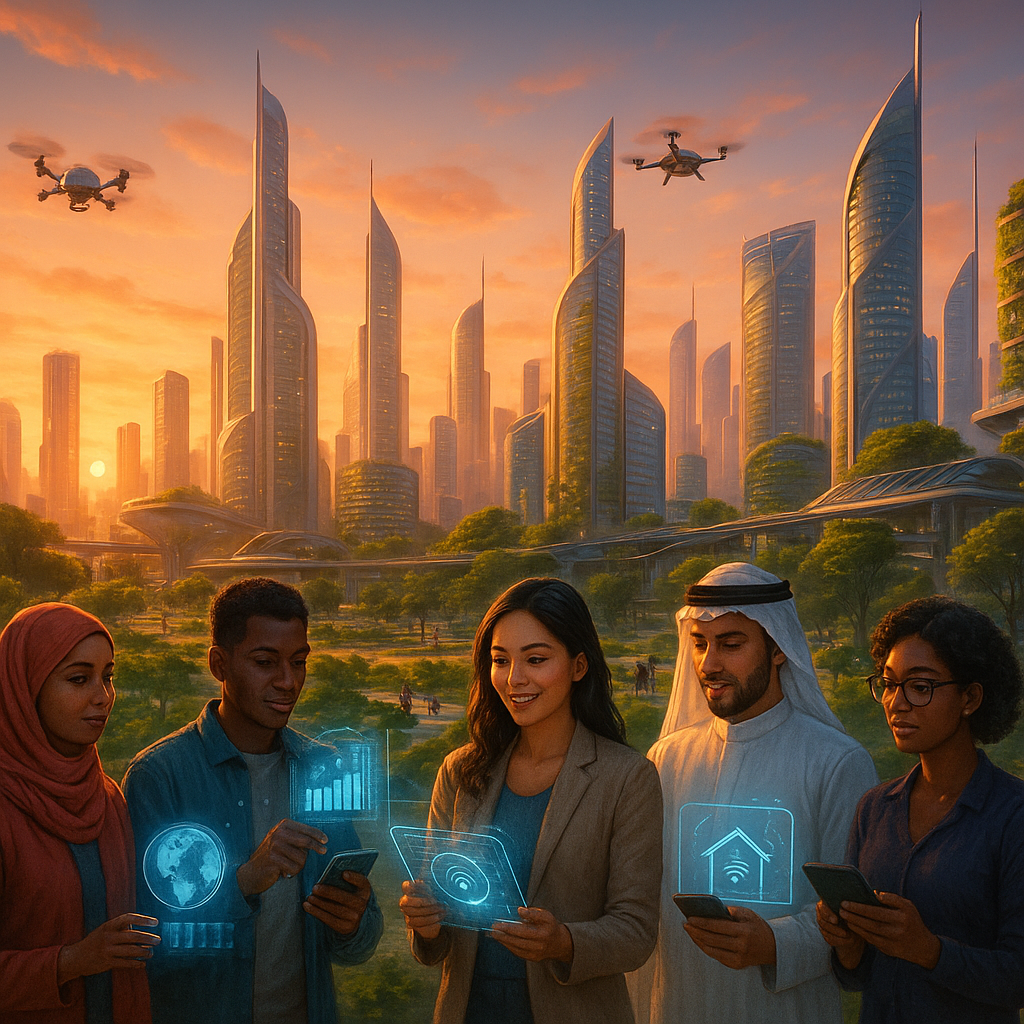
This year has been pivotal for the real estate sector, marked by significant technological deployments and policy reforms. Cities worldwide are embracing smart city initiatives, leveraging IoT sensors, AI, and big data to optimize resource use and enhance resident well-being.
For example, Singapore’s Urban Redevelopment Authority launched its second phase of the Smart Nation Program in early 2026, integrating real-time traffic and environmental monitoring with adaptive building controls. This has improved energy consumption in commercial buildings by 18% and reduced congestion-related property wear and tear.
Simultaneously, sustainability has become a central pillar. The International Green Building Council reported a 30% increase in LEED-certified projects in 2025 compared to 2023. Developers are incorporating renewable energy sources, green roofs, and water recycling systems as standard features rather than niche options.
The impact of these developments is felt most profoundly in mixed-use districts, which blend residential, commercial, and recreational spaces. These hubs attract diverse populations and foster economic resilience, addressing longstanding urban challenges.
In parallel, new financing models such as tokenized real estate investments are democratizing access for smaller investors, broadening market participation and liquidity.
Expert Perspectives and Industry Impact
Leading voices in real estate emphasize the synergy between technology, urban migration, and sustainability as drivers of the sector's evolution.
"The integration of AI and smart infrastructure is enabling a redefinition of urban living and investment strategies," explains Rajesh Patel, CEO of Innovestate, a proptech pioneer.
Industry veterans highlight that adapting to changing tenant expectations is crucial. "Today's occupants seek not just a place to live or work but a community experience supported by technology and sustainability," notes Linda Chen, a veteran real estate developer.
This shift is reflected in the rise of adaptive reuse projects, where old industrial or office buildings are converted into residential or mixed-use spaces. Such projects preserve cultural heritage while meeting contemporary needs.
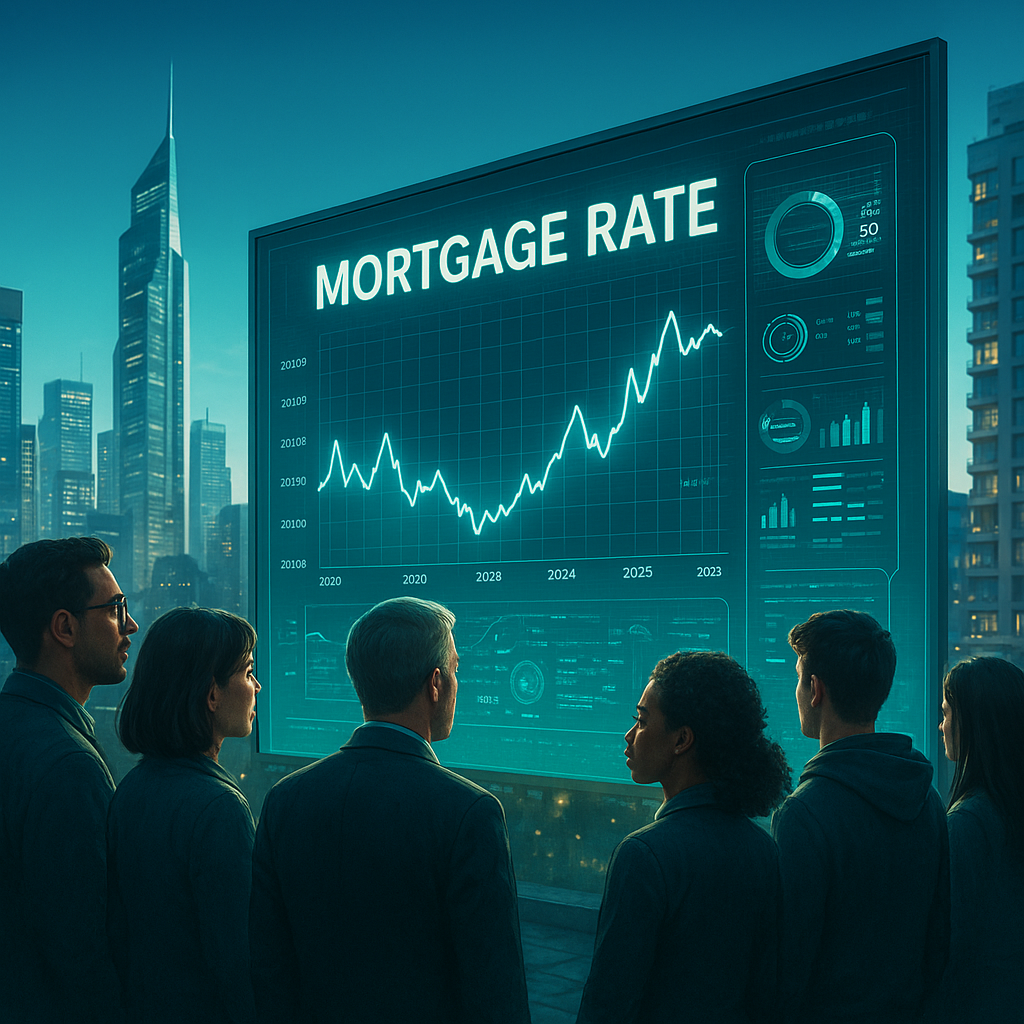
Furthermore, the financial sector is responding with innovative products tailored to new real estate realities, including ESG-linked mortgages and insurance policies that reward energy-efficient properties.
As these trends converge, the real estate industry faces both opportunities and challenges:
- Increasing complexity in project planning and regulatory compliance
- Heightened competition for prime urban locations
- Greater demand for transparency and data-driven decision-making
- Need for cross-sector collaboration among technology, urban planning, and finance
What Lies Ahead: Future Outlook and Strategic Takeaways
Looking forward, several key themes will shape real estate through the late 2020s. Urban migration is expected to continue, fueled by global economic shifts and younger generations' preferences for vibrant, connected lifestyles. However, this growth will require careful management to avoid affordability crises and infrastructure strain.
Technology will play an increasingly central role, with AI-driven predictive analytics guiding investment and development decisions, and blockchain streamlining transactions and ownership records. Virtual and augmented reality will further transform property marketing and tenant engagement.
"Real estate's future hinges on sustainable, tech-enabled urban ecosystems that balance growth with quality of life," asserts Dr. Morris.
Investors and developers should prioritize flexibility, sustainability, and community integration. Embracing modular construction techniques, green certifications, and data transparency will be essential to meet market demands and regulatory expectations.
In addition, strategic focus on underutilized areas and adaptive reuse projects offers pathways to expansion without exacerbating urban sprawl.
For readers interested in detailed trend analysis and strategic insights, TheOmniBuzz’s Real Estate in 2026: Trends, Data, and Future Outlook provides an extensive breakdown. Meanwhile, the article Why Urban Migration Is Redefining Real Estate Value and Demand explores demographic impacts in depth.
Case Studies: Real-World Transformations
Consider the transformation of Detroit’s Midtown district, which has experienced a renaissance driven by tech startups and cultural institutions. New mixed-use developments incorporate AI-based building management systems and community-focused amenities, attracting a diverse population.
Similarly, in Berlin, adaptive reuse projects have converted former warehouses into vibrant residential and commercial hubs, leveraging blockchain for fractional property ownership, enabling broader investment access.
These examples illustrate how combining urban migration trends with technological innovation and sustainability can revitalize real estate markets and communities.
Such success stories provide valuable lessons for cities worldwide aiming to harness these forces effectively, balancing growth with inclusivity and resilience.