Preparing for a voyage to Cambodia's captivating blend of ancient wonders, tropical paradises, and bustling urban scenes involves mastering the entry protocols. Estonian nationals can access detailed guidance through the CAMBODIA VISA FOR ESTONIAN CITIZENS, streamlining their preparations for seamless arrivals. Ethiopian travelers, in turn, will find the CAMBODIA VISA FOR ETHIOPIAN CITIZENS equally accommodating, providing essential insights for various visit intents. This exploration delves into the visa frameworks for both nationalities, offering a balanced view of shared processes and tailored considerations to enhance your journey.
Eligibility and Visa Categories
Estonian and Ethiopian citizens share a uniform eligibility for Cambodia's electronic visa system, which mandates prior approval for entry since neither enjoys visa-exempt privileges. This e-Visa primarily supports tourism, transit, and business endeavors, granting a single entry for short-term engagements. For Estonians, it facilitates leisurely pursuits amid Cambodia's historical sites, while Ethiopians might draw culinary parallels between Khmer flavors like kuy teav and their own injera-based traditions, enriching cultural immersions.
Beyond the e-Visa, specialized categories exist for prolonged residencies, educational programs, or professional commitments, requiring direct submissions at Cambodian diplomatic outposts. These in-person applications demand comprehensive vetting, contrasting the e-Visa's digital efficiency. Eligibility criteria emphasize a commitment to temporary stays, with authorities prioritizing applicants who demonstrate clear itineraries and return plans. Both nationalities must navigate these options thoughtfully, as mismatched selections could impede border clearances and disrupt anticipated explorations of remote gems like Preah Vihear's cliffside temples or Banteay Chhmar's overgrown ruins.
The tourist e-Visa stands as the cornerstone for most visitors, permitting up to a month's sojourn to absorb Cambodia's eclectic offerings, from Siem Reap's archaeological marvels to Sihanoukville's coastal vibes. Transit provisions cater to brief layovers, ensuring smooth connections through regional hubs.
Essential Requirements for Applicants
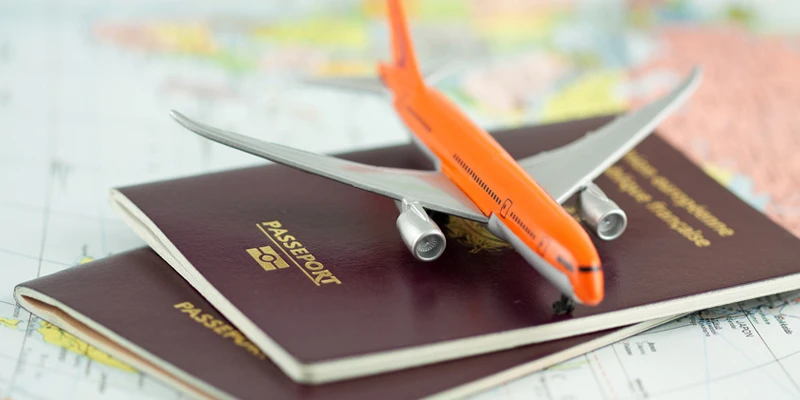
Securing the Cambodia visa for Estonian citizens or the Cambodia visa for Ethiopian citizens hinges on fulfilling precise documentation standards. A valid passport tops the list, necessitating at least six months' validity post-arrival and a minimum of two unoccupied pages for stamps. This passport must align exactly with application details, as discrepancies trigger rejections. A current passport-style photograph, adhering to specifications for clarity and background, accompanies the submission, alongside a high-resolution scan of the passport's biographical data.
Personal profiles require thorough input: full name, gender, birth details, nationality, and residence. Travel blueprints, encompassing arrival and departure timelines, lodging choices, and trip objectives, bolster the case by illustrating intent. Contact essentials include a functional email for approvals and a phone number for verifications. Health and security queries demand candid answers, aligning with Cambodia's emphasis on safe inbound flows.
For accompanying minors or group travels, individual applications are non-negotiable, even when children appear on parental documents. This personalization ties each visa indelibly to its holder's passport, mandating use of the same travel credential upon entry. Financially, applicants prepare for digital fee settlements via cards, underscoring self-sufficiency without explicit solvency proofs for brief visits.
Streamlining the Online Application
The digital gateway for e-Visas empowers Estonian and Ethiopian nationals with round-the-clock accessibility, completable in mere minutes from any connected device. Commencing with form population, users furnish biographical essentials, passport specifics, and journey overviews. Uploading imagery—the photo and passport copy—ensues, with system validations ensuring compliance.
Fee transactions via debit or credit cards seal the submission, initiating reviews that culminate in approvals within four to seven working days. Emails deliver the sanctioned document, downloadable for printing and presentation at checkpoints. This preemptive approach trumps visa-on-arrival alternatives, which, while viable for both groups, entail onsite formalities, photographs, and cash disbursements amid potential delays.
Accuracy underpins success; Estonian applicants, benefiting from no noted entry curbs as of mid-2025, should verify details meticulously. Ethiopians, eyeing offbeat locales, gain from this efficiency to allocate more time to adventures. Post-approval, carrying hard copies remains prudent, as electronic displays may falter in less-equipped borders.
Validity Periods and Extension Options
Upon issuance, the e-Visa endures for 90 days, authorizing a 30-day maximum presence starting from entry. This span accommodates deep dives into Cambodia's mosaic, whether tracing Estonian historical interests in Angkor's engineering or Ethiopian culinary curiosities in local markets. Validity confines entries to aerial gateways like Sihanoukville, Siem Reap, and Phnom Penh's Techo International, or terrestrial crossings including Poipet and Cham Yeam from Thailand, Tropang Kreal from Laos, and Bavet from Vietnam. Maritime arrivals fall outside this scope, steering seafarers toward embassy-sourced visas.
Extensions offer respite for those ensnared by Cambodia's allure, permitting an extra 30 days via domestic immigration channels. This one-time prolongation requires nominal procedures and payments, ideal for extended sojourns in provinces like Koh Kong's eco-retreats. Overstays, however, attract penalties, urging diligent monitoring to safeguard future admissibility.
Immigration officers wield ultimate discretion, scrutinizing arrivals to affirm legitimacy, so preparedness with all requisites smooths transitions.
Practical Insights for Memorable Journeys
Anticipating variables elevates the experience for Estonian and Ethiopian voyagers. Advance applications mitigate processing variabilities, particularly during seasonal influxes. Cultural acclimation—embracing modest attire at sacred venues and the sampeah salutation—fosters harmonious engagements. Health vigilance against regional concerns like dengue complements visa compliance.
Budget allocations should encompass fees, typically modest yet variable, plus ancillary costs for transports and attractions. Estonians might juxtapose Cambodia's Baltic-like resilience narratives, while Ethiopians uncover shared highland echoes in the Cardamoms. By harnessing these visa avenues, travelers from both nations unlock profound connections, weaving personal tales amid Cambodia's timeless landscapes and vibrant communities.