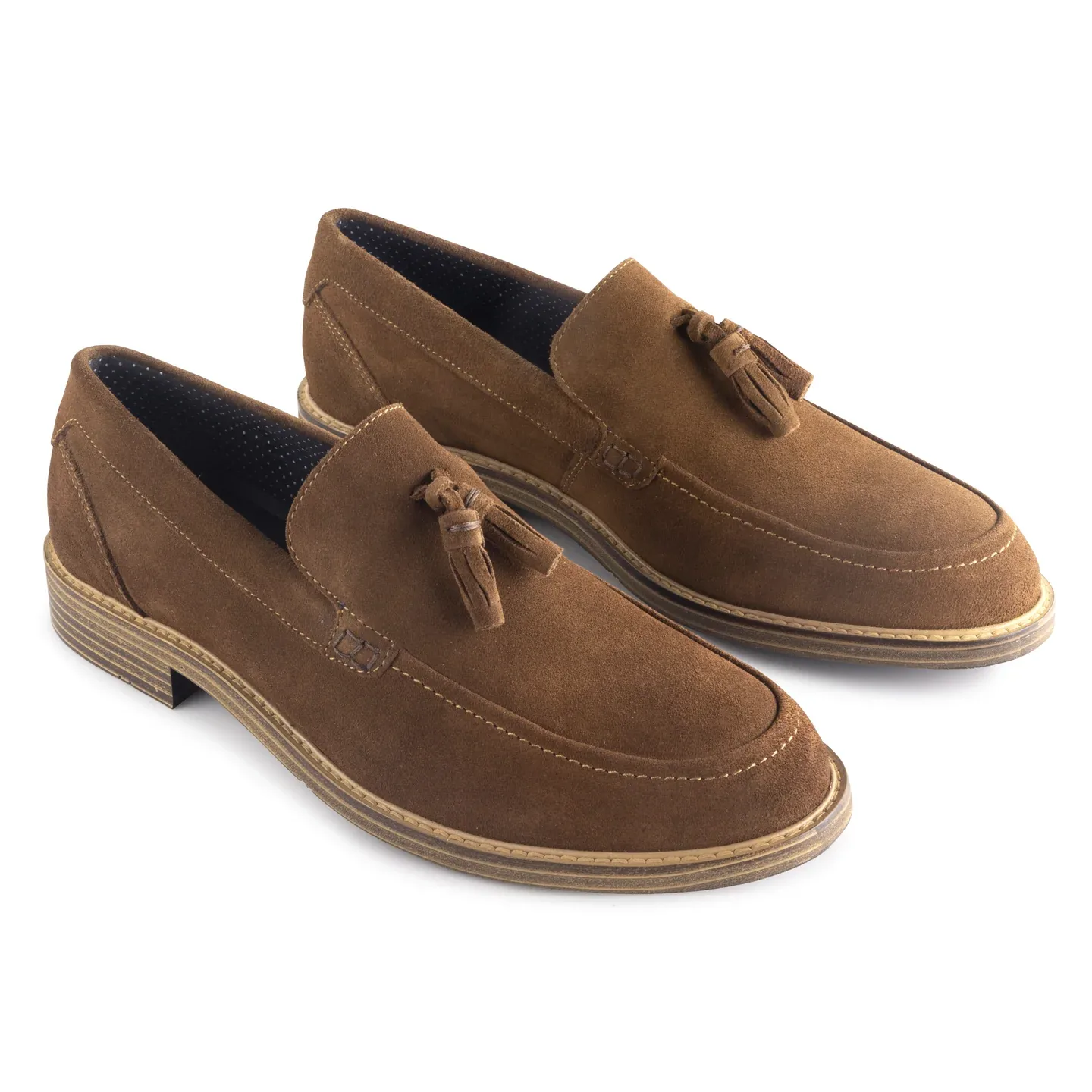

Changing Tides: A Glimpse into 2026’s Fashion Landscape
The dawn of 2026 marks a pivotal year in fashion history. The industry, once dominated by fast trends and rapid consumption, has undergone a profound transformation, propelled by an urgent call for sustainability and unprecedented technological advancements. In the heart of Milan’s 2026 Fashion Week, designers unveiled collections that marry eco-conscious materials with digital craftsmanship, signaling a new era where environmental responsibility and cutting-edge innovation coexist.
According to recent data compiled by the Global Fashion Council, over 63% of major brands have integrated at least one sustainable practice into their production cycles, a sharp rise from just 28% in 2022. This surge reflects growing consumer demand for transparency and ethical manufacturing. Yet, the shift is not merely about materials; it encompasses a reimagination of the entire supply chain, design philosophy, and the consumer experience.
“Fashion in 2026 is no longer about just style; it’s about stewardship. The choices we make today will define the industry’s legacy,” says Dr. Emilia Russo, a leading expert in sustainable fashion innovation.
From Fast Fashion to Thoughtful Design: How We Got Here
The trajectory toward 2026’s fashion innovations is rooted in the industry’s reckoning with its environmental footprint. Fast fashion’s rapid production cycles led to immense waste, water pollution, and carbon emissions—issues that became undeniable by the early 2020s. Activism, regulatory pressure, and consumer awareness created a fertile ground for change.
By 2023, several pioneering brands began adopting circular economy principles, emphasizing reuse, recycling, and longevity. Advances in biofabrication and material science accelerated the development of plant-based and lab-grown textiles, reducing reliance on petroleum-based fibers. The rise of digital platforms also shifted fashion consumption patterns, with virtual try-ons and NFT-based collectibles gaining popularity — signaling the fusion of technology and style.
The societal push for inclusivity and diversity further reshaped fashion narratives, demanding more authentic representation and culturally sensitive designs. This evolution was not only aesthetic but structural, influencing sourcing, manufacturing, and marketing.
Data-Driven Insights: Analyzing 2026’s Fashion Metrics
2026’s fashion industry is now quantifiable through several critical metrics that highlight its transition:
- Carbon Footprint Reduction: Industry reports show an average 38% decline in carbon emissions among top-tier brands compared to 2020 levels, largely due to renewable energy adoption and improved logistics.
- Material Innovation: Approximately 45% of textiles used globally come from sustainable sources such as recycled fibers, bioengineered materials, and organic crops.
- Digital Integration: Virtual fashion sales, including digital apparel for avatars and social media, compose an estimated 12% of total industry revenue, reflecting a significant new market segment.
- Consumer Behavior: Surveys indicate that over 70% of Gen Z and Millennials prioritize sustainable attributes when purchasing, with transparency and brand ethics as key decision factors.
These statistics underscore a decisive shift in production and consumption dynamics. Comparisons with 2020 reveal that brands investing in circularity and tech integration not only reduced environmental impact but also enjoyed enhanced profitability and customer loyalty.
“Data is the compass guiding fashion’s sustainable compass. It reveals what works and where innovation must accelerate,” highlights Marcus Lee, Chief Analyst at EcoFashion Insights.
2026 Breakthroughs: The Intersection of Sustainability and Technology
The current year has witnessed transformative developments at the nexus of green innovation and digital technology. One notable advancement is the widespread adoption of AI-driven design platforms. These systems analyze consumer preferences, climate data, and material properties to create optimized, sustainable garments with minimal waste.
Simultaneously, 3D printing has evolved from a niche tool to a mainstream manufacturing technique, enabling on-demand production and customization. Brands like Atelier Lumière and Verde Collective have pioneered fully 3D-printed collections using biodegradable polymers, significantly slashing inventory surplus and transport emissions.
On the material front, lab-grown mycelium leather alternatives have gained traction, offering cruelty-free, biodegradable options that outperform traditional leather in durability and aesthetics. This innovation aligns closely with increasing animal welfare concerns and tighter environmental regulations worldwide.
Moreover, blockchain technology ensures full traceability of garments, from raw material sourcing to retail shelves. Consumers now scan QR codes to verify a product’s sustainable credentials, enhancing transparency and trust. This technological integration is redefining brand-consumer relationships, demanding accountability and authenticity.
Industry Voices: Insights from Fashion’s Leading Innovators
Leading voices in fashion emphasize that 2026 is a year of convergence—where heritage craftsmanship meets futuristic innovation.
Elena Marquez, Creative Director at eco-conscious label Novaterra, notes,
“We’re blending artisanal techniques with AI precision to create pieces that are timeless in design and gentle on the planet.”
Meanwhile, tech entrepreneur and founder of WearTech, Simon Hwang, states,
“The future lies in personalized, sustainable fashion driven by smart manufacturing. Our goal is to eliminate waste by producing exactly what consumers want, when they want it.”
Investment in research and development is surging, with brands allocating upwards of 18% of their budgets to sustainability and digital innovation. Collaborative initiatives between fashion houses, material scientists, and tech startups are fostering a fertile ecosystem for breakthroughs.
Experts anticipate these synergies will continue to disrupt traditional supply chains, reduce environmental impact, and democratize fashion creation globally, empowering smaller designers and local artisans.
Looking Ahead: What to Watch in Fashion’s Next Chapter
As we move beyond 2026, several trends warrant close attention. First, the expansion of virtual fashion marketplaces and metaverse apparel is poised to redefine ownership and consumption. Digital-only collections not only reduce physical waste but also open new revenue streams for brands targeting younger, tech-savvy demographics.
Second, circular fashion systems will deepen, with more brands adopting rental, resale, and repair services to extend garment lifecycles. This shift challenges the traditional buy-and-dispose model, fostering a culture of mindful consumption.
Third, regulatory frameworks are expected to tighten globally, compelling brands to meet strict sustainability benchmarks and report transparently on environmental and social impacts. Early adopters of these standards will likely secure competitive advantages and consumer trust.
- Growth in AI-enabled customization and virtual fitting technologies enhancing consumer experience
- Expansion of biofabricated textiles including algae-based and bacterial cellulose fibers
- Integration of renewable energy solutions across manufacturing and retail operations
- Increased collaboration between fashion brands and environmental NGOs for ecosystem restoration projects
These trajectories suggest a future where fashion is not only a reflection of personal style but also a catalyst for positive planetary impact. Continued innovation and consumer engagement will be critical in sustaining momentum.
For readers interested in deeper exploration of how AI and sustainability intersect to shape fashion, our related analysis How AI and Sustainability Are Shaping Fashion’s Bold New Frontier offers extensive insights. Additionally, to understand how identity and innovation are reshaping the industry’s cultural fabric, see How Fashion’s New Frontier is Shaping Identity and Innovation.
Case Studies: Real-World Successes in 2026
Several brands exemplify the 2026 fashion ethos through innovative practices and measurable impact.
- EcoThread Collective: This Danish startup leverages AI to design zero-waste patterns and uses 100% recycled materials. In 2026 alone, EcoThread reduced fabric waste by 42% compared to 2024, while doubling customer retention through a subscription model emphasizing garment longevity.
- Verde Collective: Based in Barcelona, Verde integrates 3D printing with biodegradable polymers to produce customizable shoes and accessories. Their closed-loop program recycles returned products into new designs, achieving a 65% reduction in raw material consumption.
- NovaLoom: Operating in Japan, NovaLoom utilizes blockchain to provide full supply chain transparency. Their garments come with a digital passport detailing every production stage. Consumer surveys show 78% of NovaLoom’s buyers value this transparency highly, influencing purchase decisions.
Each case underscores how integrating technology and sustainability can generate competitive advantages, foster consumer trust, and drive industry-wide change.
The 2026 fashion landscape is thus defined by a conscientious blend of innovation, ethics, and artistry—a paradigm that promises resilience amid environmental and cultural challenges.