Shadows in the Digital Realm: A Startling Scene From 2026
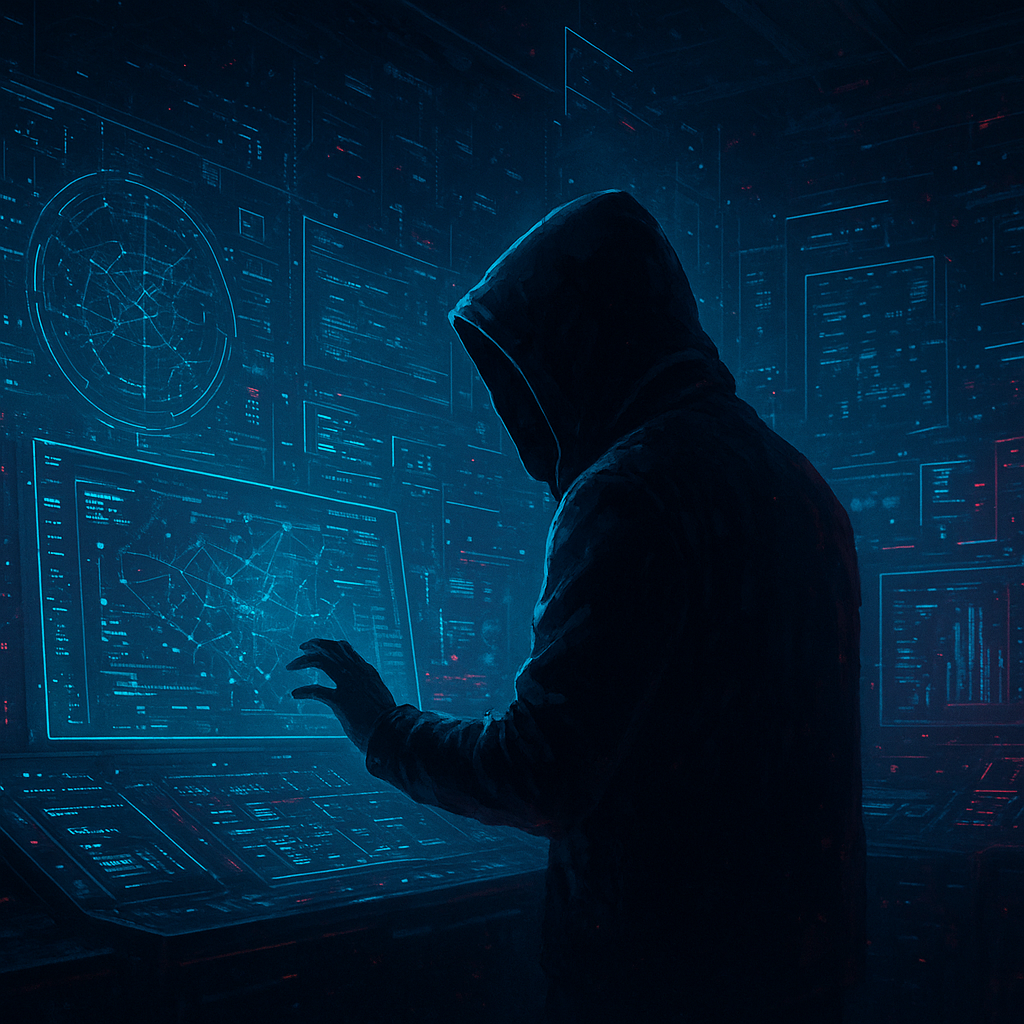
On a chilly April night in 2026, a major multinational bank discovered a breach that exposed sensitive financial data of millions. The intrusion was not executed by a lone hacker or a simple ransomware attack. Instead, it was a sophisticated, multilayered operation leveraging quantum computing-assisted cryptanalysis and AI-powered social engineering. This breach was emblematic of the evolving threat landscape that cybersecurity experts have been warning about. It showcased how hacking has transitioned from isolated digital break-ins to complex, coordinated campaigns that blend emerging technologies with psychological manipulation.
This incident underscores the urgency of understanding the hacking trends shaping 2026. Cyber threats are no longer confined to data theft or service disruption; they threaten the very fabric of digital trust that underpins global commerce and governance. According to industry reports, cybercrime damages are projected to surpass $15 trillion annually by the end of the decade, a staggering figure revealing the scale and impact of these attacks.
"The sophistication of hacking in 2026 is unprecedented — attackers now exploit advancements like quantum computing and AI to outpace traditional defenses," says Dr. Lena Torres, Chief Security Analyst at CyberGuard International.
From Early Exploits to Quantum-Aided Attacks: The Road to 2026
To appreciate the transformations in hacking witnessed today, it helps to trace its evolution. Early 21st-century hacking predominantly involved exploiting software vulnerabilities, phishing campaigns, and simple malware. Over the past decade, however, the advent of AI and the gradual emergence of quantum technologies have revolutionized both offensive and defensive cyber capabilities.
By 2020, AI-powered automated attacks began to outstrip manual hacking efforts. Attackers could craft personalized spear-phishing campaigns at scale and discover zero-day exploits faster. Meanwhile, governments and tech giants invested heavily in quantum computing research, initially for cryptographic breakthroughs and optimization problems. But as quantum hardware matured, its potential for breaking widely used cryptographic algorithms became a looming concern.
The cybersecurity community responded with the development of post-quantum cryptography standards by 2024, yet attackers have already started leveraging early quantum machines to accelerate code-breaking attempts. This arms race has fundamentally altered the hacking paradigm, transforming it into a contest of computational power and algorithmic sophistication.
The recent article Rethinking Cyber Threats: Unveiling the 2026 Hacking Paradigm Shift provides an in-depth look at these historical shifts, outlining how the integration of AI and quantum technologies has reshaped attacker strategies and defender responses alike.
Decoding the Core Trends: What Defines 2026’s Hacking Landscape?
Several defining trends have emerged this year, reshaping the tactics, targets, and tools of hackers globally. Analysis from leading cybersecurity firms reveals these key developments:
- Quantum-Accelerated Cryptanalysis: Attackers are deploying quantum-assisted algorithms capable of undermining traditional encryption schemes, especially RSA and ECC, which remain pervasive in financial and governmental systems.
- AI-Driven Social Engineering: Advanced language models synthesize personalized deception campaigns by mining victims’ digital footprints, increasing success rates for credential theft and fraud.
- Supply Chain Exploits: Instead of attacking end targets directly, hackers increasingly compromise software and hardware suppliers, infiltrating networks through trusted components.
- Multi-Vector Hybrid Attacks: Operations now combine ransomware, data exfiltration, and misinformation campaigns simultaneously to maximize disruption and extortion leverage.
- Cloud-Native Vulnerabilities: The migration of critical infrastructure to cloud platforms has introduced novel attack surfaces, including container escapes and API abuses.
Data from CyberSecure Insights indicates a 45% increase in supply chain attacks in the first quarter of 2026 compared to 2025, reflecting a strategic pivot by threat actors. Similarly, AI-based phishing attacks have doubled in effectiveness, with reported victim success rates rising from 20% in 2024 to over 35% this year.
"The fusion of AI and quantum computing in hacking tools means defenders must rethink security models entirely," notes Ravi Patel, CTO of SecureSphere Technologies.
2026’s Cyber Battlefield: Real-World Incidents and Emerging Patterns
This year has already witnessed several high-profile breaches that illustrate these trends vividly. In February, an attack on a global logistics company exploited a cloud API vulnerability combined with AI-generated spear-phishing emails targeting its executives. The breach disrupted supply chains and delayed deliveries worldwide, costing over $200 million.
In March, a coordinated ransomware and misinformation campaign targeted a European health network. The attackers used quantum-accelerated cryptanalysis to bypass data encryption and deployed AI-driven bots to flood social media with false information about hospital closures, sowing public panic. The incident highlighted the growing use of hybrid tactics blending cybercrime with information warfare.
Meanwhile, nation-state actors have escalated activities, leveraging quantum-powered decryption to access classified communications and manipulate election infrastructures discreetly. This escalation has prompted urgent calls for enhanced international cyber norms and cooperation.
These examples demonstrate that cybersecurity no longer involves isolated technical defenses but requires integrated strategies addressing technological, psychological, and geopolitical dimensions. The article Hacking Unveiled: The Complex Web of Cyber Intrusions and Defenses explores these real-world complexities and defense mechanisms in detail.
Expert Insights: Transforming Cybersecurity to Match the Threats
Leading voices in cybersecurity emphasize the need for adaptive, intelligence-driven defense frameworks. Experts advocate for the following approaches:
- Post-Quantum Cryptographic Adoption: Accelerating migration to quantum-resistant algorithms to safeguard sensitive data against future quantum decryption.
- AI-Augmented Defense: Employing AI for real-time anomaly detection and automated response to counter AI-powered attacks.
- Zero Trust Architectures: Implementing strict verification protocols across all systems, minimizing implicit trust within networks.
- Supply Chain Security Enhancements: Comprehensive vetting and continuous monitoring of third-party vendors to close entry points.
- Cross-Sector Collaboration: Sharing threat intelligence between private, public, and international stakeholders to preempt coordinated attacks.
Dr. Torres highlights,
"Cybersecurity in 2026 demands a holistic approach — technology, policy, and human factors must converge to build resilient digital ecosystems."This sentiment is echoed in recent TheOmniBuzz coverage, such as Mastering the Art of Ethical Hacking: Expert Tips for Cybersecurity Excellence, which underscores ethical hacking’s role in fortifying defenses before malicious actors strike.
Looking Ahead: Preparing for the Next Wave of Cyber Threats
The rapid evolution of hacking tactics in 2026 signals an era where cyber threats will grow more potent, nuanced, and disruptive. Organizations and governments must anticipate the following developments:
- Quantum-Enhanced AI Attacks: Combining quantum speed with AI intelligence to launch near-undetectable, adaptive intrusions.
- Deepfake-Fueled Social Manipulation: Leveraging synthetic media for disinformation campaigns that compromise public trust and decision-making.
- Increased Targeting of Critical Infrastructure: Attacks on energy grids, water supplies, and transportation systems aiming at widespread societal disruption.
- Regulatory and Ethical Challenges: Balancing privacy, security, and innovation amid new technologies and threat landscapes.
- Rise of Cybersecurity Automation: Greater reliance on autonomous defense systems capable of instant threat neutralization without human intervention.
These trends emphasize the importance of continuous vigilance, innovation, and education. Cybersecurity cannot be static; it must evolve dynamically to counteract the ingenuity of attackers. As researchers and practitioners refine their tools and strategies, fostering a culture of security awareness across all sectors remains crucial.
"The future belongs to those who anticipate and adapt — in cybersecurity, proactivity is the strongest defense," affirms Ravi Patel.
In sum, the hacking landscape of 2026 is a complex battlefield shaped by technological leaps and strategic ingenuity. To stay ahead, stakeholders must embrace multidimensional approaches that integrate cutting-edge tech, human intelligence, and robust governance. For readers seeking a deeper understanding, TheOmniBuzz’s detailed explorations, such as Inside the Shadow World: How Hacking Shapes Our Digital Reality, offer valuable perspectives on the interplay of cyber threats and societal impact.