
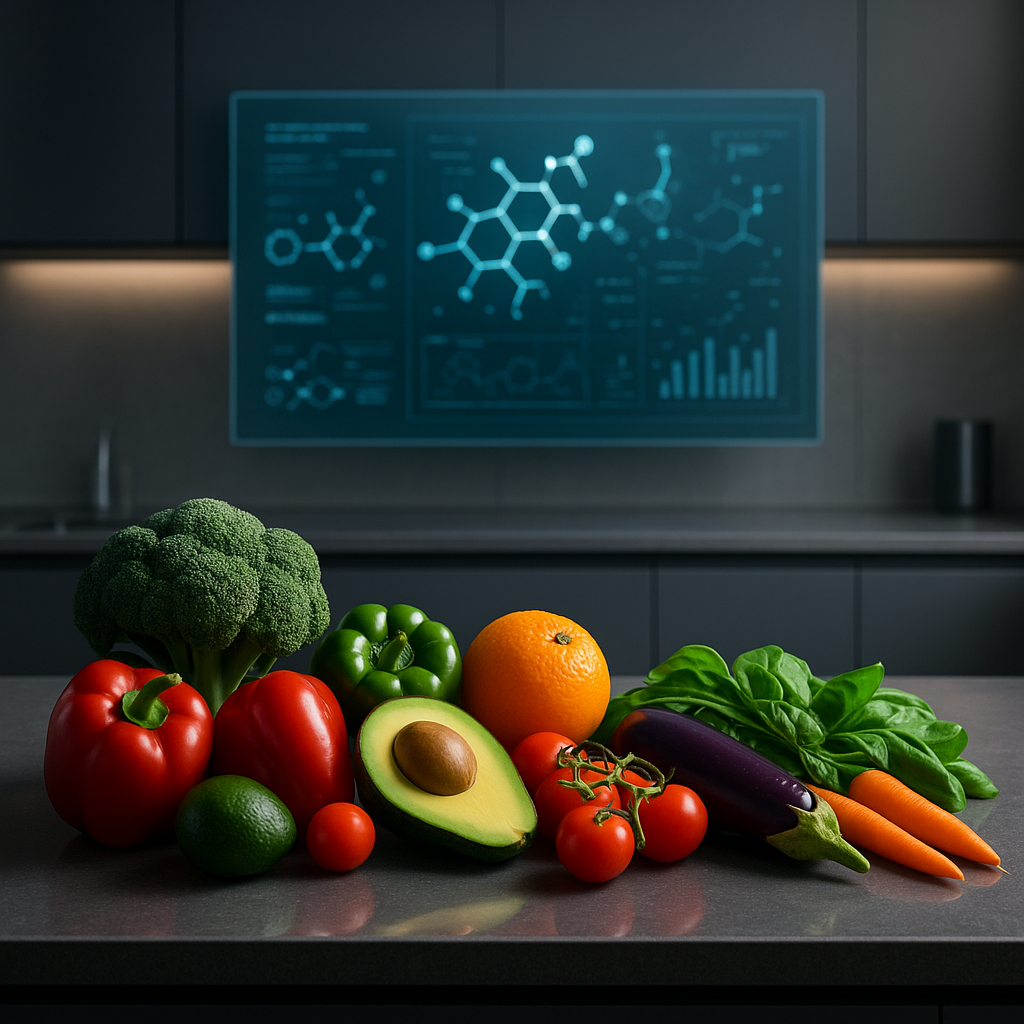
Feeding the Future: A Fresh Look at Nutrition’s Role in Health
Imagine sitting down to a meal in 2026, surrounded by an array of foods engineered for optimal health, personalized to your genetic profile, and designed to prevent chronic disease. Nutrition is no longer just about calories or taste; it has become a cornerstone of precision health and longevity. Today, nutrition science is unveiling insights that challenge long-held beliefs and offer new pathways to wellness. This article explores how nutrition has evolved, the breakthroughs shaping our diets, and what the future holds for how we nourish ourselves.
According to recent data from the Global Nutrition Report 2025, malnutrition in all its forms—undernutrition, micronutrient deficiencies, overweight, and obesity—affects over 3 billion people worldwide. This paradox highlights the complexity behind nutrition: it is not merely about food intake but about quality, balance, and individual needs. As we progress, understanding this complexity becomes crucial.
"Nutrition is the bridge between food consumption and health outcomes, and its science is rapidly evolving to meet global challenges." — Dr. Elena Vargas, Nutritional Epidemiologist
Tracing the Path: How Nutrition Science Got to This Point
Nutrition as a formal science has come a long way from the initial discovery of vitamins and minerals in the early 20th century. The post-war era focused heavily on addressing nutrient deficiencies, with public health campaigns targeting diseases like scurvy and rickets. However, the rise of chronic diseases in the latter half of the century shifted the focus to diet-related conditions such as heart disease, diabetes, and obesity.
One pivotal milestone was the development of the Dietary Guidelines for Americans, which have evolved since 1980 to reflect emerging evidence. Yet, these guidelines often struggled to keep pace with scientific advancements and societal changes, sparking debates and confusion. In the 2000s, the rise of low-carb and plant-based diets marked a turning point, reflecting a growing awareness of diet diversity’s impact on health.
Advances in molecular biology and genomics have further transformed nutrition science. The Human Genome Project and subsequent nutrigenomics research have revealed how our genes interact with nutrients, opening doors to personalized nutrition. Meanwhile, the microbiome's role, uncovered in the last two decades, has revolutionized understanding of gut health and its systemic effects.
"We are moving from one-size-fits-all dietary advice to tailored nutritional strategies based on individual biology and lifestyle." — Prof. Mark Sullivan, Nutrigenomics Expert
Decoding Diets: Current Scientific Insights and Data
By 2026, the landscape of nutrition research is both vast and nuanced. Recent meta-analyses reveal that diets rich in whole, minimally processed foods consistently reduce the risk of cardiovascular disease, type 2 diabetes, and certain cancers. The Mediterranean diet, DASH diet, and emerging plant-forward regimens remain among the most studied and recommended.
Consider these data points from the National Institute of Health’s 2025 review:
- Plant-based proteins: Diets substituting 25% of animal protein with plant protein showed a 15% reduction in all-cause mortality.
- Fiber intake: Increasing daily fiber intake to 30 grams correlates with a 20% lower risk of colorectal cancer.
- Ultra-processed foods: Consumption exceeding 50% of total energy intake is linked with a 30% higher risk of cardiovascular morbidity.
Moreover, the gut microbiome’s influence is a critical factor. Studies demonstrate that dietary patterns shape microbial diversity, which in turn modulates inflammation, metabolism, and even mental health. Probiotic and prebiotic interventions have expanded beyond supplements to functional foods tailored for microbiota support.
New nutritional biomarkers and wearable biosensors now allow real-time monitoring of nutrient status, enabling dynamic adjustments to diet. Such technologies are contributing to more personalized and effective nutritional strategies.
Nutrition Innovation in 2026: What’s Changed and What’s Next
The year 2026 marks a significant moment in nutrition, driven by technological advances and shifting consumer priorities. Personalized nutrition platforms, powered by AI and big data analytics, have become mainstream. Companies like NutriSense and Viome provide continuous glucose and microbiome monitoring, offering actionable dietary advice customized to individual responses.
Food technology innovations also reshape nutrition. Cellular agriculture and bioengineered foods are reducing reliance on traditional animal farming, offering alternatives with optimized nutrient profiles and reduced environmental impact. According to industry reports, the global market for cultured meat and precision fermentation products surpassed $10 billion in 2025, growing at an annual rate of 25%.
Simultaneously, public health initiatives are increasingly integrating social determinants of health into nutritional strategies. Programs addressing food deserts, affordability, and education aim to reduce disparities in nutrition-related diseases.
These developments coincide with growing awareness around sustainability. The EAT-Lancet Commission’s planetary health diet principles are influencing policy and consumer choices, emphasizing diets that are both health-promoting and environmentally sustainable.
You might enjoy exploring related advances in fitness and health that complement nutritional progress in our article Unlocking Enduring Vitality: The Science and Strategy Behind Fitness in 2026 and broader health trends in Health in 2026: Innovations, Challenges, and the Road Ahead.
Expert Voices: Industry Impact and Perspectives
Nutrition professionals emphasize the importance of integrating emerging science with practical application. Registered dietitians report that clients increasingly seek data-driven and tailored advice, moving beyond generic diet plans. "The precision nutrition movement empowers individuals with knowledge and tools, but also requires careful interpretation to avoid misinformation," says Dr. Amina Patel, Clinical Dietitian and Educator.
Food manufacturers are also adapting. Many are reformulating products to reduce sugars, saturated fats, and additives, responding to both regulatory pressures and consumer demand. The emphasis on transparency has increased, with clearer labeling standards being enforced globally.
The healthcare sector is incorporating nutrition into preventive care more systematically. Insurance companies now offer incentives for adherence to personalized nutrition plans that demonstrably reduce disease risk, reflecting a shift towards value-based care.
- Academic institutions are expanding nutrigenomics and microbiome research programs.
- Tech companies are investing heavily in AI-driven nutrition platforms.
- Policy makers are integrating nutrition with climate and social equity agendas.
Looking Forward: What to Watch in Nutrition’s Next Chapter
As nutrition science advances, several trends warrant close attention. First, the integration of multi-omics data—genomics, metabolomics, microbiomics—promises to refine dietary recommendations further, delivering even more precise and effective interventions.
Second, ethical considerations surrounding data privacy and equity in access to personalized nutrition tools must be addressed. Ensuring that innovations benefit diverse populations rather than exacerbating disparities is critical.
Third, the convergence of nutrition with mental health is emerging as a vital frontier. Nutritional psychiatry, supported by mounting evidence, explores how diet influences brain function and mood, opening therapeutic possibilities.
Finally, the global food system will continue adapting to balance nutrition, sustainability, and cultural relevance. Collaborative efforts among scientists, industry, policy makers, and communities will shape resilient and health-promoting food environments.
"The future of nutrition lies in its ability to be personalized, sustainable, and accessible to all." — Dr. Samuel Lee, Public Health Nutritionist
For readers interested in the technological transformations influencing health, our coverage of How Canva’s Dual Acquisitions Are Redefining AI-Driven Marketing Automation provides insightful parallels in AI application.
Nutrition today is a rich tapestry of science, technology, culture, and policy. The choices we make at the dinner table ripple outward—affecting not only individual health but also planetary wellbeing. Staying informed and engaged with evolving evidence and innovations will enable us all to nourish ourselves more wisely in the years ahead.