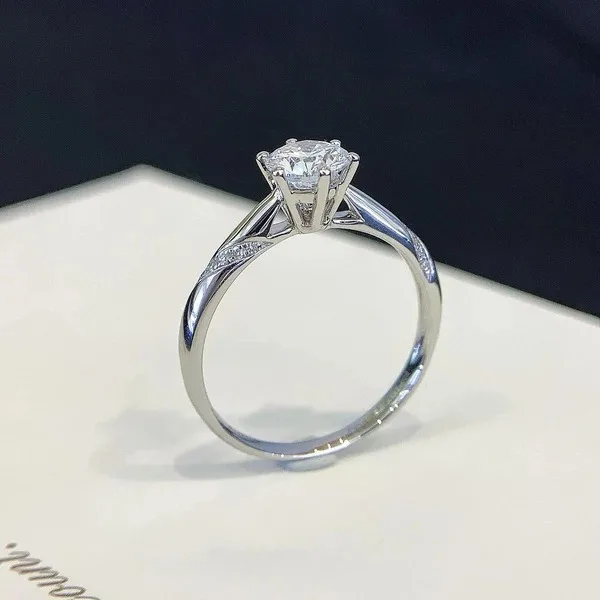
Why Beaded Metal Details Deserve Attention
Choosing an engagement ring is a personal experience. Some people prefer a simple band, while others want small design features that make their ring feel different. Beaded metal details offer an interesting option for anyone who wants something beyond a plain band without spending too much.
These tiny metal accents, often called milgrain detailing, look like small rounded beads placed along the edges of a ring. They can frame the center stone, decorate the shoulders, or create a patterned border around the band.
What makes this design special is the attention it brings to the metalwork. Even a small setting can have plenty of character when its details are carefully arranged. For buyers exploring affordable rings, this is a useful way to find a design that feels personal without needing a large center diamond.
What Makes Beaded Metal Work Different?
Beaded metal detailing is created by adding small, rounded impressions or raised metal beads along selected parts of a ring. The technique has been used in jewelry making for generations and is often associated with traditional ring designs.
Unlike a plain polished band, a beaded edge adds texture and gives the ring more visual interest. It can also create a neat outline around a diamond setting.
The placement makes a difference. Beading along both sides of the band creates a framed appearance, while a small amount around the center setting keeps attention on the main stone.
For someone who enjoys detailed craftsmanship, this design can make an affordable ring feel carefully considered.
Different Ways to Use Beaded Details
Not every beaded ring looks the same. The detailing can be used in several ways depending on the overall design and personal preference.
Beaded Edges on a Solitaire Band
A solitaire ring with beaded edges is a good choice for someone who likes a single center stone but wants something beyond a completely plain band. The small metal details add texture without taking attention away from the diamond.
This style works with round, oval, cushion, and other popular stone shapes.
Milgrain Along the Diamond Setting
Some rings feature beaded metal around the center stone. This creates a decorative border that separates the diamond from the surrounding metal.
It is worth checking how the border is finished because evenly placed beads can make a noticeable difference in the overall appearance.
Beaded Shoulders With Small Side Stones
Another option combines beaded metal with small diamonds along the shoulders. The arrangement creates more detail around the center stone while keeping the band relatively narrow.
This can be a suitable choice for someone who wants a little more decoration without choosing a large or complicated setting.
How to Choose the Right Metal and Diamond
The metal and center stone should work together rather than compete for attention. A good combination can make even a smaller ring look well planned.
White gold: White gold gives beaded detailing a clean, bright appearance. It pairs well with colorless diamonds and works with many different ring designs.
Yellow gold: Yellow gold creates a noticeable contrast with white diamonds. It can also suit people who enjoy traditional jewelry styles.
Rose gold: Rose gold has a warm pink tone that gives the ring a different appearance. It is worth considering if you want something less commonly chosen.
When selecting the diamond, think about the shape and the available budget. Round diamonds are a familiar choice, while oval and pear shapes can offer a different look.
Lab-grown diamonds are another option worth considering. They have the same basic chemical, physical, and optical properties as natural diamonds and can provide access to different sizes within a limited budget.
What to Look for When Buying Within Your Budget
Finding a ring within your price range involves more than choosing the center diamond. The metal, setting, craftsmanship, and stone quality all contribute to the final cost.
Here are a few things to check before making a purchase:
- Diamond quality: Compare cut, color, clarity, and carat weight. A well-cut diamond can make a stronger visual impression than simply choosing a heavier stone.
- Metal type: Check whether the ring is made from 14K or 18K gold, platinum, or another metal. Understand the differences before purchasing.
- Bead finishing: Look closely at the metal edges. The beads should appear evenly placed without rough or unfinished sections.
- Ring width: A very narrow band may have limited space for detailed metalwork. Check the actual measurements rather than relying only on product photographs.
- Comfort: Decorative edges should not feel sharp or uncomfortable against your neighboring fingers.
- Return policy: Review resizing options, return conditions, warranties, and after-sales services before placing an order.
A little attention to these details can help prevent disappointment after the ring arrives.
Can You Find a Personal Design Without Overspending?
Yes. A limited budget does not mean you have to choose a ring that looks like everyone else's. Small design decisions can make a noticeable difference.
For example, you could choose a round lab-grown diamond with a beaded band, select an oval center stone with decorative shoulders, or use a simple setting with milgrain around the edges.
The key is deciding which feature matters most to you. If you love detailed metalwork, you may prefer a smaller center stone with better finishing. If the diamond is your main priority, a simpler band may leave more room in your budget.
Antiquecut offers different jewelry designs worth exploring when comparing ring styles and looking for a design that matches your preferences.
Finding a Ring That Feels Right for You
An engagement ring is something you may wear every day, so its appearance should not be the only consideration. Think about your daily activities, preferred metal color, finger shape, and how comfortable the setting feels.
Beaded details can be a good choice if you enjoy decorative metalwork but do not want an overly complicated design. They add texture to the band, frame the center stone, and give a ring its own character.
If you are comparing different styles and prices, take your time to look at the setting from different angles. Product photographs, close-up images, and detailed specifications can help you understand what you are buying.
Browse engagement rings under $1000 to compare different settings, diamond shapes, and designs that fit your budget.
Frequently Asked Questions
1. What Are Beaded Details on an Engagement Ring?
Beaded details are small, rounded metal accents placed along the edges of a ring or around its center setting. This technique is commonly known as milgrain detailing.
2. Are Beaded Engagement Rings Suitable for Everyday Wear?
Yes, they can be suitable for everyday use. However, check the setting, metal quality, and finishing to make sure the design is comfortable and well constructed.
3. What Is the Difference Between Milgrain and Plain Metal Edges?
Plain metal edges have a smooth finish, while milgrain edges feature small rounded beads that create a textured border around selected parts of the ring.
4. Can I Find a Diamond Ring Under $1,000?
Yes. Depending on the diamond type, carat weight, metal, and setting, you can find several diamond ring options within this budget. Lab-grown diamonds offer additional choices.
5. Which Diamond Shape Works Best With Beaded Metal Details?
Round, oval, cushion, and pear-shaped diamonds can all work well. The best option depends on your preferred appearance and the proportions of the setting.
6. Does Beaded Metal Detailing Require Special Care?
It does not require a complicated cleaning routine, but the small grooves can collect dirt. Use a soft brush, mild soap, and warm water when cleaning, following the metal and jewelry care instructions.
7. Can Beaded Details Be Added to a Custom Engagement Ring?
Yes, many jewelers can incorporate milgrain detailing into a custom design. Ask about the available finishing techniques and whether the chosen setting supports this detail.