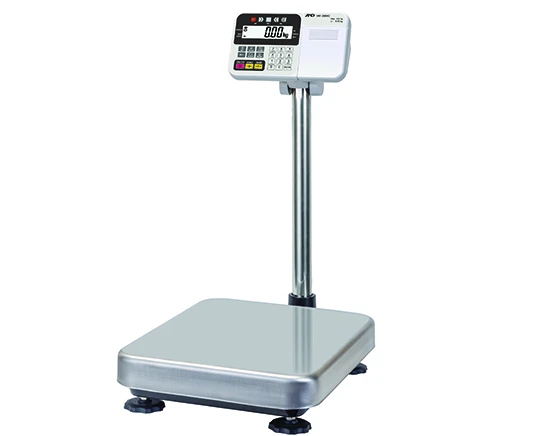
Accurate weight measurement is critical in industries that move, sell, or charge by weight. From logistics companies and warehouses to transport operators and manufacturers, weighing errors can lead to financial losses, disputes, and regulatory penalties. This is where trade-approved freight scales play a vital role. These scales are designed to meet strict legal standards, ensuring that weight measurements used for commercial transactions are accurate, verifiable, and compliant with national regulations.
What Are Trade-Approved Freight Scales?
Trade-approved freight scales are weighing systems that have been tested, certified, and approved by a regulatory authority for use in commercial trade. When a business charges customers, invoices shipments, or calculates freight costs based on weight, the scale used must be legally verified.
In Australia, trade approval is governed by the National Measurement Institute (NMI). A scale that is trade-approved complies with the National Measurement Act and relevant Australian standards. These scales are often marked with:
- An NMI approval number
- A verification mark or seal
- A maximum capacity and accuracy class
Without trade approval, weight measurements cannot legally be used for buying or selling goods by weight.
Why Legal Compliance Matters in Freight Operations
Legal compliance is not just about avoiding fines—it’s about trust, transparency, and fairness in trade. Freight operations frequently rely on precise weight data to:
- Calculate shipping costs
- Determine vehicle load limits
- Comply with road safety regulations
- Prevent overloading penalties
Using non-approved or inaccurate scales can result in undercharging or overcharging customers, leading to disputes and reputational damage. In regulated industries, non-compliance can also trigger audits, enforcement actions, or operational shutdowns.
Key Regulations Governing Freight Scales
Trade-approved freight scales must meet specific regulatory requirements, which typically include:
- Accuracy tolerances defined by scale class
- Environmental performance standards
- Repeatability and stability of readings
- Tamper-evident design to prevent manipulation
In Australia, compliance is assessed through pattern approval (design testing) and verification (testing of individual scales after installation). Similar frameworks exist internationally, such as OIML (International Organization of Legal Metrology) standards, which many countries adopt or reference.
Types of Trade-Approved Freight Scales
Different freight applications require different types of scales. Common trade-approved options include:
Pallet Scales
Used in warehouses and distribution centres to weigh palletised goods. Trade-approved pallet scales are ideal for invoicing and inventory control.
Platform Scales
Platform scales handle larger loads and irregular freight items. They are commonly used in logistics hubs and manufacturing environments.
Floor Scales
Designed for heavy-duty weighing, floor scales are often integrated into workflow systems for efficient freight processing.
Weighbridges
Used for vehicles and bulk freight, trade-approved weighbridges ensure compliance with transport and load regulations.
Each type must be certified for its specific capacity and intended use.
Verification and Reverification Requirements
Trade-approved freight scales are not approved once and forgotten. They require ongoing verification to remain legally compliant. Verification is typically required:
- When a scale is first installed
- After repairs or relocation
- At regular intervals, depending on local regulations
- If the scale’s accuracy is questioned
Verification must be performed by authorised technicians using certified test weights. Once verified, the scale is sealed and marked to show compliance.
The Role of Accuracy Classes
Freight scales are classified according to their accuracy level, which determines allowable error margins. Selecting the correct accuracy class is crucial. A scale that is accurate enough for internal checks may not meet legal requirements for trade use.
Using an inappropriate scale class can result in non-compliance, even if the scale appears to function correctly. Businesses should always ensure the chosen scale matches both regulatory and operational needs.
Common Compliance Mistakes to Avoid
Many compliance issues arise from misunderstandings rather than intentional misuse. Common mistakes include:
- Using non-trade-approved scales for billing
- Failing to re-verify scales after relocation
- Ignoring damaged verification seals
- Using scales beyond their rated capacity
- Poor maintenance leading to inaccurate readings
Regular audits and staff training can help prevent these issues.
Benefits of Using Trade-Approved Freight Scales
While compliance is mandatory, trade-approved freight scales also offer practical advantages:
- Accurate invoicing and reduced disputes
- Improved customer trust
- Consistent operational data
- Reduced risk of fines and penalties
- Better inventory and load management
Over time, the reliability of certified scales can lead to operational efficiencies and cost savings.
Choosing the Right Trade-Approved Freight Scale
When selecting a freight scale, businesses should consider:
- Maximum load capacity
- Required accuracy class
- Environmental conditions (dust, moisture, vibration)
- Integration with software or ERP systems
- Availability of local service and verification support
Working with reputable suppliers who understand legal metrology requirements is essential.
Future Trends in Trade-Approved Weighing
Advances in digital weighing technology are improving compliance and efficiency. Modern freight scales increasingly feature:
- Digital load cells
- Automated compliance records
- Data logging for audits
- Integration with transport and logistics software
These innovations make it easier for businesses to demonstrate compliance while streamlining operations.
Conclusion
Understanding trade-approved freight scales is essential for any business that weighs goods for commercial purposes. Legal compliance ensures fair trade, accurate billing, and operational integrity. By choosing certified equipment, maintaining regular verification, and training staff correctly, businesses can avoid costly mistakes and build long-term trust with customers and regulators alike.
In an industry where precision matters, trade-approved freight scales are not just a legal requirement—they are a foundation for reliable and professional freight operations.