
Understanding the Importance of Multispeciality Healthcare Centers
Access to reliable healthcare services is essential for maintaining overall well-being. As healthcare needs become more complex, many people prefer visiting multispeciality healthcare centers where they can consult different medical specialists in one location. These healthcare centers bring together doctors from various medical fields and provide diagnostic support, helping patients receive coordinated medical care.

A multispeciality healthcare center typically offers services across departments such as orthopaedics, cardiology, urology, nephrology, and diagnostic services. Having multiple specialties available in one place can help patients receive comprehensive medical evaluation and treatment guidance. It also allows doctors from different departments to collaborate when managing complex medical conditions.
One of the important components of modern healthcare is accurate diagnosis. Diagnostic services such as laboratory testing, imaging procedures, and routine health evaluations help doctors understand a patient’s condition more clearly. Early and accurate diagnosis can support effective treatment planning and help prevent potential complications. Many multispeciality healthcare facilities focus on strengthening diagnostic capabilities to improve patient care.
Orthopaedic care is another key service commonly available in multispeciality hospitals. Orthopaedic specialists focus on conditions related to bones, joints, ligaments, and the spine. Many people seek orthopaedic consultation for problems such as knee pain, fractures, arthritis, sports injuries, or back pain. Treatment options may vary depending on the condition and can include medication, physiotherapy guidance, lifestyle adjustments, or surgical procedures when necessary.
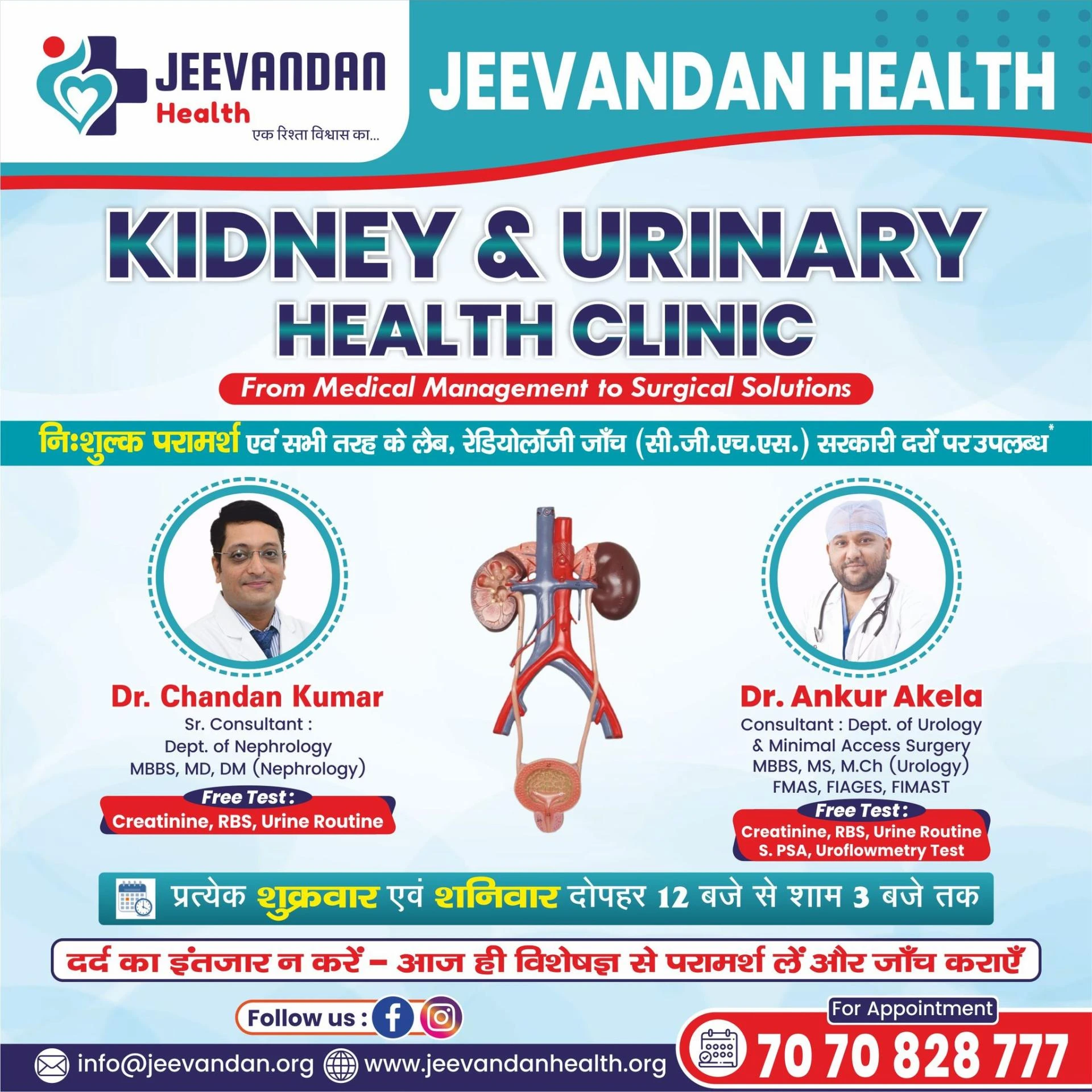
Urology services are also an essential part of multispeciality healthcare centers. Urologists diagnose and manage conditions related to the urinary tract and male reproductive system. Common concerns may include kidney stones, urinary infections, prostate-related conditions, and bladder disorders. Consulting a specialist when symptoms appear can help in proper diagnosis and timely management of these conditions.
Cardiology departments in multispeciality healthcare facilities focus on heart health and cardiovascular conditions. Individuals experiencing symptoms such as chest discomfort, high blood pressure, irregular heartbeat, or fatigue may seek medical advice from cardiology specialists. Doctors may recommend diagnostic tests to evaluate heart function and provide guidance on treatment or preventive care.
In many cities, healthcare centers such as Jeevandan Health in Patna provide multispeciality medical services along with diagnostic support. Facilities like these aim to provide consultation across different departments so patients can access medical advice, diagnostic evaluation, and treatment planning in one place. Multispeciality healthcare centers play an important role in improving access to medical services for individuals and families.
Another important aspect of healthcare is patient education and awareness. Doctors often guide patients about preventive healthcare practices, lifestyle changes, and regular health checkups. Maintaining a healthy diet, staying physically active, and seeking medical consultation when symptoms appear can help individuals manage their health more effectively.
Choosing a healthcare provider with qualified doctors, organized patient care systems, and diagnostic support can make a positive difference in the healthcare experience. Multispeciality healthcare centers continue to support communities by offering consultation, diagnosis, and treatment services across a range of medical specialties.
As healthcare continues to evolve, the role of integrated medical facilities will remain important in helping people access the medical support they need in a convenient and organized manner.
.