
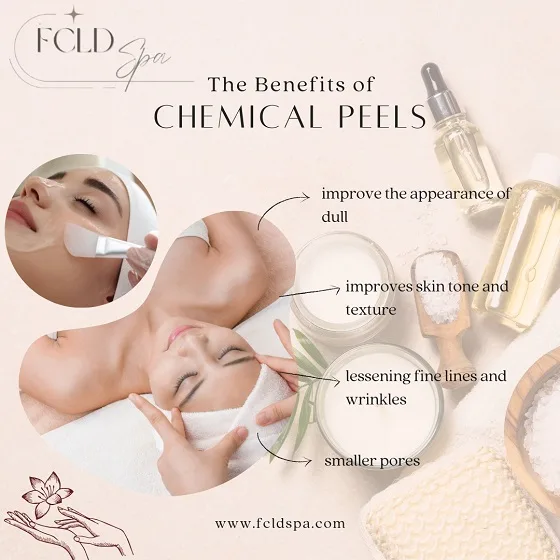
Healthy skin is often linked with confidence, comfort, and long-term self-care. Many people explore skincare options to address concerns such as uneven texture, dullness, fine lines, discoloration, and blemishes. Among commonly discussed professional skincare approaches, Chemical peels Hudson has become a topic of interest for individuals looking to better understand exfoliation-based treatments and how they may support healthier-looking skin.
Skin naturally renews itself over time, but factors such as aging, sun exposure, environmental conditions, stress, and lifestyle habits may influence texture and appearance. Professional exfoliation techniques are often discussed as part of broader skincare routines intended to refresh and support skin health.
How Skin Changes Over Time Naturally
Skin constantly renews itself through natural cell turnover. Younger skin generally replaces surface cells more efficiently, contributing to smoother texture and brighter appearance. As time passes, this process may slow, leading to concerns such as uneven tone, dryness, rough texture, or visible aging signs.
Environmental exposure can also influence skin quality. Sunlight, pollution, seasonal weather changes, and lifestyle habits may affect how skin looks and feels over time.
Many individuals begin exploring skincare treatments when they notice persistent texture concerns, acne marks, or visible changes related to aging. Understanding how skin evolves helps people make more informed choices regarding skincare routines and professional treatment options.
Because skin concerns vary significantly between individuals, personalized skincare approaches are often encouraged for better long-term maintenance.
Understanding What Chemical Peels Are
Chemical peels are exfoliation treatments designed to remove layers of dead skin cells from the surface of the skin. The process encourages natural renewal by supporting fresh skin development beneath the outer layer.
Different peel strengths may be selected depending on skin concerns, treatment goals, and individual sensitivity levels. Some peels focus on gentle exfoliation, while others address more noticeable texture or pigmentation concerns.
Common reasons people explore these treatments include uneven tone, sun damage, acne appearance, dullness, and visible fine lines. However, suitability often depends on skin type and professional evaluation.
Many individuals researching Chemical peels Hudson seek educational information to better understand what the treatment involves before deciding whether it aligns with personal skincare goals.
Different Peel Types Serve Different Needs
Not all chemical peels work the same way. Treatments generally vary based on formulation strength, ingredients, and intended outcomes.
Common categories often discussed include:
- Light peels – Gentle exfoliation that may help refresh surface texture and improve brightness with minimal downtime.
- Medium peels – Designed to target more noticeable concerns such as uneven tone or visible imperfections.
- Deep peels – Stronger treatments typically requiring more recovery time and professional supervision.
Selection often depends on factors such as skin sensitivity, existing skincare routines, and treatment history. Because every skin type reacts differently, professional evaluation is commonly recommended before beginning stronger exfoliation approaches.
Gradual treatment plans are often preferred for maintaining comfort and supporting consistent results over time.
Common Skin Concerns People Address
Many individuals explore professional exfoliation treatments to address visible skin concerns that may not respond fully to standard skincare products.
Uneven skin tone is one commonly discussed concern. Sun exposure, environmental factors, or previous blemishes may contribute to discoloration that affects overall appearance.
Texture concerns are also frequent. Rough patches, dryness, or dull skin may lead people to seek treatments focused on surface renewal.
Fine lines and visible aging signs may become more noticeable over time due to reduced collagen support and slower skin turnover.
Acne-related marks and congestion are additional reasons people discuss exfoliation treatments. However, not every peel type is suitable for every concern, making professional guidance important for individualized care.
Preparing Skin Before Treatment Matters
Preparation is often considered an important part of any skincare treatment process. Healthy preparation routines may help improve comfort and support better outcomes.
Some skincare professionals recommend avoiding harsh exfoliants, excessive sun exposure, or strong active ingredients prior to treatment depending on skin condition.
Preparation may include reviewing skincare history and discussing sensitivities, allergies, or previous reactions to cosmetic products.
Helpful preparation habits may include:
- Daily sunscreen use – Protecting skin before treatment may help reduce unnecessary irritation.
- Gentle cleansing routines – Mild skincare habits may support healthier skin preparation.
- Hydration focus – Well-moisturized skin often responds more comfortably to cosmetic care.
- Avoiding over-exfoliation – Excessive exfoliation beforehand may increase sensitivity.
Simple adjustments often help prepare the skin more effectively for professional exfoliation sessions.
Recovery and Aftercare Support Skin Health
Post-treatment care is frequently discussed as an important part of maintaining skin comfort following exfoliation procedures.
Skin may temporarily feel sensitive depending on treatment intensity. Some individuals notice mild peeling, dryness, or temporary redness as part of the natural renewal process.
Protecting healing skin often becomes especially important during recovery. Daily sun protection is commonly encouraged because freshly treated skin may be more vulnerable to environmental exposure.
Moisturization may also support comfort and skin balance during recovery periods. Gentle skincare products are often preferred while the skin adjusts.
Important aftercare habits may include:
- Consistent sunscreen use – Helps reduce environmental irritation during recovery.
- Avoiding harsh skincare products – Strong ingredients may increase temporary sensitivity.
- Limiting direct sun exposure – Supports healthier post-treatment care.
- Following professional guidance – Individual instructions may vary based on treatment type.
Patience during the recovery phase often contributes to a more comfortable experience.
Skin Type Influences Treatment Suitability
Every person’s skin reacts differently to exfoliation procedures. Skin tone, sensitivity level, hydration balance, and existing conditions may all influence how treatments are approached.
Sensitive skin may require gentler formulations and more gradual treatment schedules. Individuals with acne-prone skin may benefit from targeted approaches intended to support texture management.
Those with pigmentation concerns often discuss careful treatment planning to reduce unnecessary irritation or uneven responses.
Professional skin evaluation helps identify the most suitable approach while minimizing avoidable complications. Personalized planning is often preferred over generalized skincare trends because individual needs vary considerably.
People interested in Chemical peels Hudson frequently seek information about how treatment options may differ depending on skin type and long-term goals.
Healthy Lifestyle Habits Also Matter
Professional skincare treatments are often most effective when combined with consistent daily habits. Skin health is influenced by several lifestyle factors beyond cosmetic procedures alone.
Balanced nutrition may support healthier skin appearance over time. Hydration, sleep quality, and stress management can also affect texture, clarity, and overall comfort.
Sun protection remains one of the most discussed skincare habits because ultraviolet exposure may contribute to early aging and discoloration.
Daily cleansing and moisturization routines also help support long-term maintenance. Consistency often plays a larger role in skincare outcomes than occasional treatments alone.
People who combine healthy routines with professional guidance frequently focus on gradual improvements rather than expecting immediate transformation.
Learning About Professional Skin Care Choices
The growing interest in advanced skincare treatments has encouraged many individuals to explore educational resources before making decisions. Understanding different exfoliation approaches may help people feel more informed and confident about treatment discussions.
Learning about treatment categories, skin preparation, aftercare, and suitability may support healthier expectations and safer skincare habits. Because individual experiences vary, personalized care often remains important for achieving balanced outcomes.
Skin renewal approaches continue evolving alongside broader conversations around wellness, self-care, and preventive skincare. Careful research and responsible planning often help individuals better understand which options may align with their personal needs.
FCLD Spa provides skincare services and wellness-focused aesthetic support while helping individuals better understand treatment options designed for different skin concerns and personal care goals.
#Chemical peels Hudson, #Skin Care Hudson, #Chemical Peel Treatment, #Skin Exfoliation, #Anti Aging Skin Care, #Facial Skin Renewal, #Healthy Skin Care, #Professional Skin Treatments, #Skin Wellness,
FCLD Spa