
Transportation needs vary widely depending on purpose, timing, and the number of passengers involved. While some trips require direct point-to-point travel, others demand flexibility, extended availability, or coordinated movement for multiple people. In recent years, two transportation models have become especially important for handling complex travel demands: hourly-based transportation and group transportation services. Both offer structured yet adaptable solutions for modern travel challenges without relying on rigid routes or fixed schedules.
This article explores how these two transportation formats function, their practical advantages, and the role they play in personal, corporate, and event-related travel.
The Concept of Hourly Transportation in Modern Mobility
Hourly transportation offers a flexible alternative to traditional single-trip services. Instead of booking a ride for one destination only, passengers reserve a professional vehicle and driver for a set number of hours. This allows multiple stops, changing schedules, and evolving travel needs to be handled within one continuous service window.
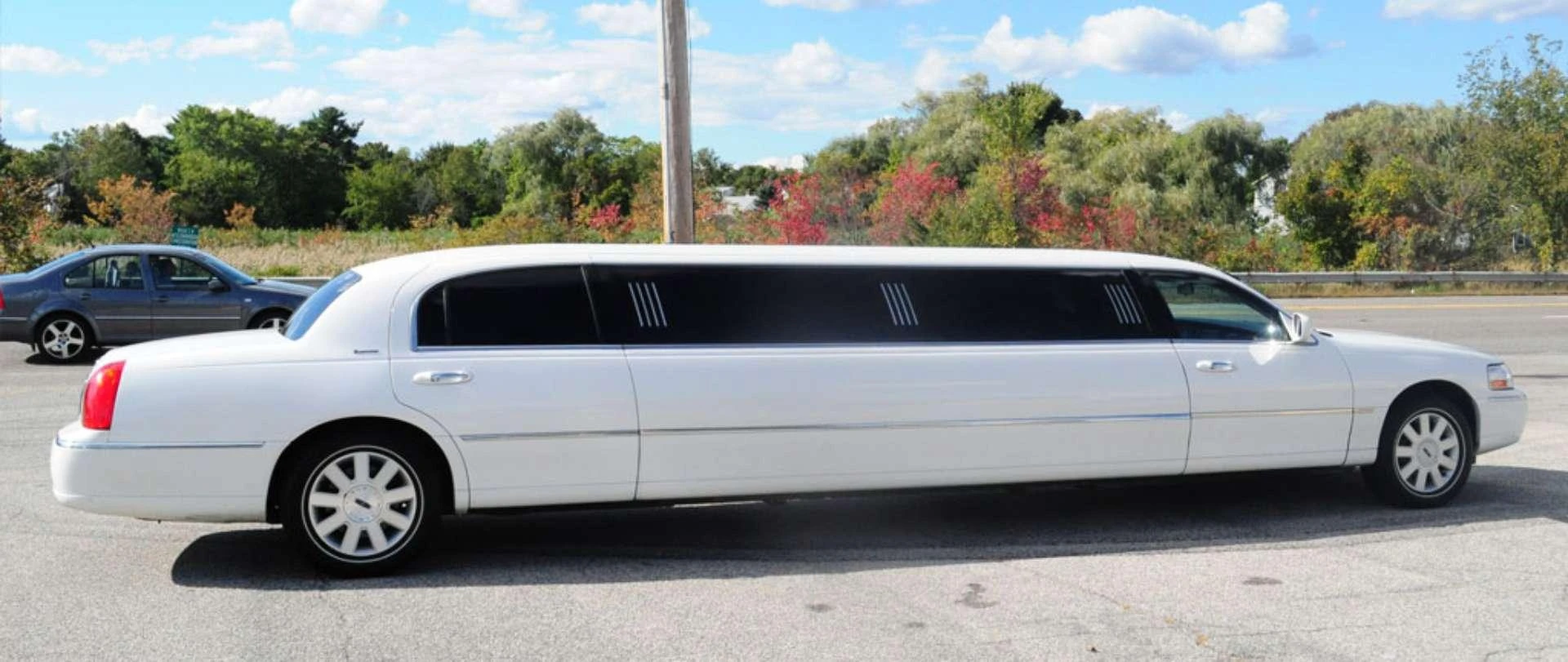
Hourly Limousine Transportation Service reflects this growing preference for adaptable travel. Rather than being restricted to a single route, passengers can attend meetings, run errands, visit multiple venues, or manage sightseeing without repeatedly arranging new rides.
This model is especially useful in cities where traffic patterns are unpredictable and parking is limited. Instead of worrying about finding parking at each stop or waiting for multiple vehicles, travelers maintain consistent access to transportation throughout their scheduled time.
Practical Benefits of Hourly Transportation
One of the primary advantages of hourly transportation is time efficiency. Travelers can move from one location to another without delays caused by scheduling conflicts or vehicle availability. This format also allows for real-time route adjustments if plans change unexpectedly.
Business professionals frequently rely on hourly services during conferences, multi-location site visits, and client tours. The ability to maintain a controlled schedule without interruptions helps preserve productivity and reduces logistical stress.
From a personal standpoint, hourly transportation is useful for weddings, city tours, shopping excursions, and special occasions where timing is fluid. Passengers benefit from uninterrupted service without being tied to rigid pickup or drop-off times.
Understanding the Purpose of Group Transportation
While hourly transportation focuses on time flexibility, group transportation addresses the challenge of moving multiple passengers together. Coordinating travel for large groups can be difficult when relying on individual vehicles, ride-sharing apps, or fragmented scheduling. Group transportation solves this by centralizing logistics into a single structured operation.
Group transportation service is designed to move several passengers efficiently while maintaining consistent timing, routing, and safety standards. This service is commonly used for corporate events, school functions, weddings, family reunions, and sporting events.
Group transportation reduces the risk of late arrivals, lost guests, and parking shortages. Everyone departs and arrives together, ensuring coordinated movement without confusion or delays.
Safety and Regulatory Oversight in Group Travel
When multiple passengers are involved, safety becomes an even greater priority. Professionally managed group transportation operates under strict licensing, insurance, and inspection requirements. Drivers receive training in defensive driving, passenger safety, and emergency protocols.
Compared to informal carpools or unregulated transport options, professionally operated group services offer higher accountability. Vehicles are maintained at commercial standards, and passenger capacity is carefully regulated to ensure comfort and compliance.
This is especially important for transporting children, senior citizens, and corporate delegations, where additional responsibility and oversight are essential.
How Hourly and Group Transportation Complement Each Other
Although hourly and group transportation serve different primary purposes, they often overlap in real-world usage. For example, a corporate team may reserve group transportation on an hourly basis for a full day of meetings across multiple locations. Similarly, a wedding party may use hourly service for flexible movement between ceremony, reception, and photography venues.
Together, these models offer scalability. Hourly transportation adapts to changing schedules, while group transportation adapts to changing passenger volume. When combined, they support both time management and coordinated mobility.
Reducing Congestion and Environmental Impact
One often overlooked benefit of group transportation is its contribution to traffic reduction. When multiple passengers share a single vehicle rather than traveling in separate cars, overall road congestion decreases. This also leads to lower fuel consumption and reduced emissions, particularly in urban areas.
Hourly transportation also supports environmental efficiency by minimizing unnecessary engine restarts and inefficient routing. A single professionally managed vehicle can replace multiple individual trips, lowering the overall environmental footprint of travel activities.
Applications Across Personal and Professional Travel
Hourly and group transportation services support a wide range of real-life scenarios. In corporate settings, they facilitate executive roadshows, training sessions, and off-site meetings. In education, they support field trips, academic conferences, and campus events. In personal life, they assist with weddings, milestone celebrations, and extended family outings.
These services also play a critical role in tourism. Visiting groups often rely on structured transportation to explore unfamiliar areas safely and efficiently without dealing with navigation issues or parking restrictions.
A Flexible Transportation Framework for Modern Life
As travel patterns grow more complex and schedules become increasingly dynamic, fixed-route transportation models are no longer sufficient for many needs. Hourly and group transportation services offer a structured yet flexible framework that accommodates both changing timelines and varying group sizes.
Whether supporting a full day of professional appointments or coordinating transportation for large gatherings, these services provide reliability, safety, and logistical simplicity. In a world where time efficiency and coordinated movement matter more than ever, flexible transportation models continue to play an essential role in keeping people connected and on schedule.