As the summer sun blazes, the comfort of a cool apartment becomes a necessity. The last thing anyone wants is for their air conditioner to fail when it's needed the most. If your AC isn't cooling your space effectively, don't despair. With a bit of patience and some do-it-yourself troubleshooting, you might be able to resolve the issue without having to call in a professional. In this comprehensive guide, we'll explore common air conditioner problems and provide you with actionable steps to address them.
Understanding Common Air Conditioner Problems
Before diving into troubleshooting, it's important to familiarize yourself with some of the most common issues that can affect your apartment's AC unit. Understanding these can help you diagnose the problem more effectively and potentially save you time and money.
AC Not Cooling
One of the most frequent complaints is when the air conditioner isn't cooling the room properly. This issue can arise from a variety of causes, ranging from simple to complex.
The first thing to check is the thermostat settings. Sometimes, the solution is as simple as adjusting the settings to ensure the AC is set to "cool" and the desired temperature is lower than the current room temperature. A malfunctioning thermostat can also be the culprit, which might require recalibration or replacement.
Next, examine the condition of the air filters. Dirty or clogged filters can obstruct airflow, leading to inefficient cooling. Regularly replacing or cleaning the filters can improve the AC's performance significantly.
Finally, consider the possibility of a refrigerant leak. If the AC is blowing warm air, it might be low on refrigerant. This is a more complex issue that typically requires a professional's expertise to diagnose and repair.
Unusual Noises
If your AC begins making strange noises, it could be an indication of a mechanical issue. While some sounds are normal, others could signal a problem that needs attention.
Rattling noises might suggest loose parts within the unit. Tightening screws and securing any loose components can often resolve this issue. If you hear a hissing sound, it might indicate a refrigerant leak, which should be addressed by a professional.
Buzzing noises could be a sign of electrical issues, such as faulty wiring or a failing motor. It's crucial to address electrical problems promptly to avoid further damage or potential hazards.
Water Leaks
Water pooling around your AC unit is another common issue that can lead to significant damage if not addressed promptly.
First, check if the drain line is clogged. A blocked drain line can cause water to back up and leak out of the unit. Clearing the blockage can often resolve this issue.
Next, inspect the condensate pump, if your system has one. A malfunctioning pump might not be able to remove water effectively, leading to leaks. Replacing or repairing the pump might be necessary.
Finally, ensure that the AC unit is installed correctly and is level. An improperly installed unit can cause water to accumulate and leak.
Strange Odors
If you notice any unusual smells coming from your AC, it might be time to investigate. Strange odors can arise from a variety of sources, each requiring different solutions.
A musty smell often indicates mold or mildew growth within the system. Cleaning or replacing filters and ensuring proper ventilation can help eliminate this issue.
A burning smell might suggest an electrical problem, such as overheating wires or components. This is a serious concern that should be addressed by a professional immediately.
Chemical smells could be a sign of a refrigerant leak, which is both a performance and environmental concern. Again, professional intervention is recommended to handle this safely.
Troubleshooting Steps for Your Apartment AC
Now that you're familiar with some common issues, let's dive into troubleshooting your apartment AC. Follow these steps to identify and potentially resolve the problem effectively.
Check the Thermostat Settings
Believe it or not, sometimes the issue is as simple as incorrect thermostat settings. Ensure your thermostat is set to "cool" and that the temperature is lower than the current room temperature.
If your thermostat runs on batteries, replacing them might also help, as low battery power can affect its functionality. Consider upgrading to a programmable thermostat for more consistent temperature control and energy efficiency.
Additionally, ensure the thermostat is located away from heat sources like direct sunlight or appliances, as these can skew temperature readings and affect performance.
Inspect the Air Filter
A dirty air filter can obstruct airflow, making it difficult for your AC to cool your apartment effectively. Regularly checking the condition of the filter is crucial for maintaining efficiency.
If the filter appears clogged or dirty, replace it with a new one. Filters should generally be changed every 1-3 months, depending on usage and air quality.
Consider using high-efficiency filters that can capture more particles, improving indoor air quality and reducing the strain on your AC system.
Examine the Circuit Breaker
If your AC isn't turning on at all, it might be due to a tripped circuit breaker. Locate your apartment's breaker panel and check if any breakers are in the "off" position.
If you find a tripped breaker, reset it to the "on" position and see if your AC resumes operation. Frequent tripping might indicate an underlying electrical issue that needs professional attention.
Ensure that the circuit breaker is not overloaded by other appliances, as this can also lead to tripping. Distributing electrical load more evenly across circuits can prevent future occurrences.
Clean the Coils
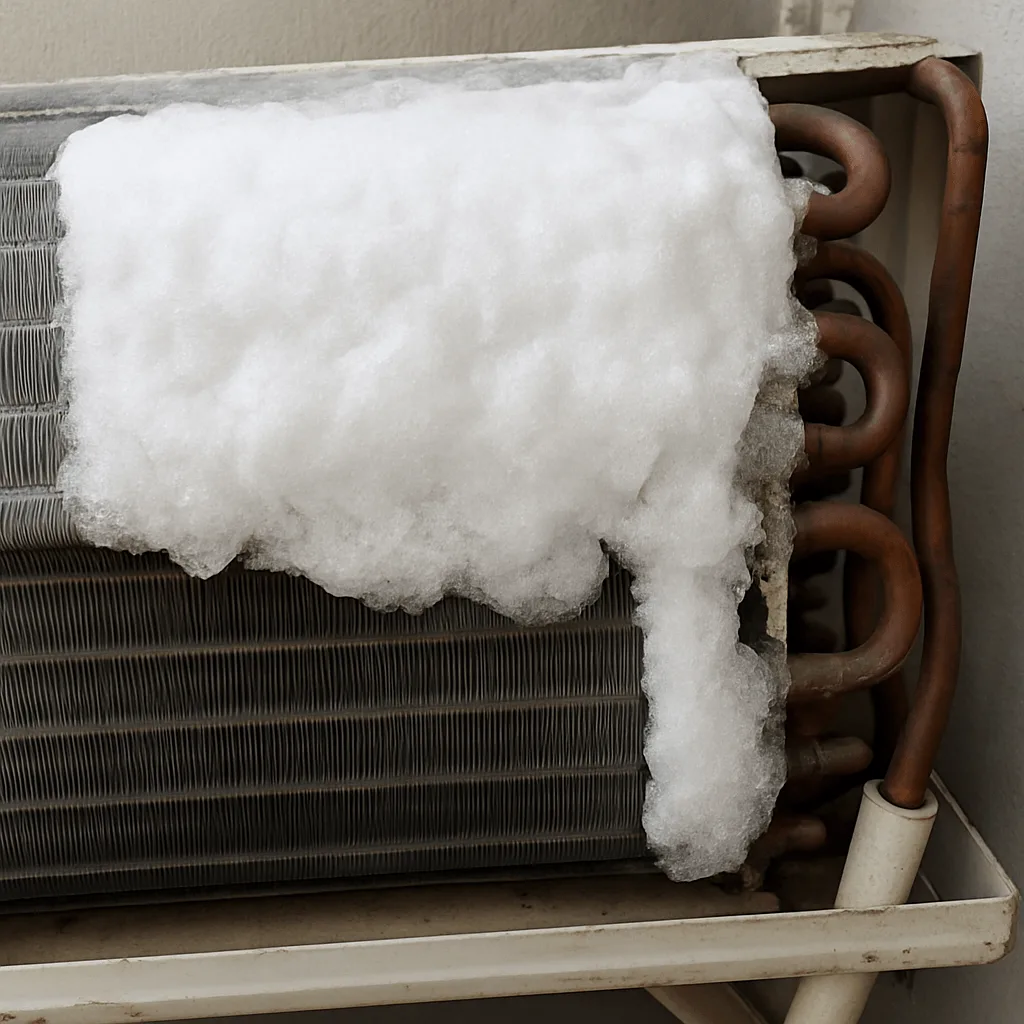
Over time, dust and debris can accumulate on the AC's evaporator and condenser coils, reducing efficiency. Cleaning these components regularly is essential for optimal performance.
Carefully clean the coils with a soft brush or a vacuum cleaner, taking care not to damage the delicate fins. This will help improve heat exchange efficiency and overall cooling performance.
Consider scheduling a professional cleaning annually, as they have specialized tools and knowledge to clean the coils thoroughly without causing damage.
Check for Refrigerant Leaks
A refrigerant leak can severely impact your AC's cooling ability. If you suspect a leak, such as when the AC is blowing warm air, it's best to contact a professional.
Refrigerant leaks not only decrease cooling efficiency but also pose environmental hazards. Professionals have the tools and expertise to safely handle refrigerant issues and ensure the system is properly recharged.
Regular maintenance checks can help detect potential leaks early, allowing for timely repairs and preventing further complications.
Ensure Proper Ventilation
Blocked or closed vents can restrict airflow, making it hard for your AC to cool the room. Check that all vents are open and unobstructed by furniture or curtains.
Ensure that the return air vents are also clear, as these are crucial for maintaining balanced airflow and pressure within the system.
Consider rearranging furniture or using vent extenders if necessary to ensure optimal airflow throughout the room.
Listen for Unusual Noises
If your AC is making strange noises, try to identify where they're coming from. Some issues, like loose screws or debris caught in the unit, can be fixed easily.
Tighten any loose screws or components and remove debris that might be causing the noise. If the noise persists, it might require professional attention, as it could indicate more serious mechanical problems.
Regular maintenance checks can help catch potential issues early, minimizing the risk of unexpected breakdowns and costly repairs.
Knowing When to Call a Professional
While many air conditioner problems can be resolved with a little DIY effort, some situations are best left to professionals. If you've tried the troubleshooting steps above and your AC is still not cooling, or if you encounter complex issues like refrigerant leaks or electrical problems, it's time to call in an expert.
If you’re residing in Philadelphia and need reliable AC repair services, contact Cool-Aid Co — your trusted local air conditioning repair company in Philadelphia.
Benefits of Professional Maintenance
Regular professional maintenance can help prevent many common AC issues. Technicians can perform thorough inspections, clean hard-to-reach areas, and identify potential problems before they become significant.
Scheduled maintenance can also extend the lifespan of your AC unit, ensuring it operates efficiently throughout its service life. This proactive approach can save you money in the long run by avoiding costly repairs and replacements.
Furthermore, professionals can provide valuable advice on optimizing your AC system for your specific living space, improving comfort and efficiency.
Finding a Reliable HVAC Technician
When choosing a technician, look for someone with good reviews and certifications. Ask for recommendations from neighbors or your apartment management for trusted service providers.
Verify that the technician is licensed and insured, as this ensures they meet industry standards and are qualified to perform the necessary work safely.
Consider establishing a relationship with a reliable technician for regular maintenance and any unexpected issues, as familiarity with your system can lead to more efficient and effective service.
Preventative Measures for Future AC Efficiency
Keeping your AC running smoothly involves more than just fixing problems as they arise. Implement these preventative measures to maintain efficiency and extend the life of your unit:
- Change Air Filters Regularly: Replace filters every 1-3 months, depending on usage and air quality. This simple step can significantly enhance airflow and indoor air quality.
- Schedule Annual Maintenance: Have a professional inspect your AC yearly, ideally before the summer season. Regular check-ups can catch potential issues early, ensuring the system is ready for peak operation.
- Keep the Area Around the Unit Clear: Ensure there's no clutter or debris around your AC unit to allow proper airflow. A clear area around the unit enhances ventilation and prevents overheating.
- Use a Programmable Thermostat: This can help maintain consistent temperatures and reduce energy usage when you're away from home. It can also extend the lifespan of your system by preventing overuse.
- Seal and Insulate Ducts: Properly sealed and insulated ducts can improve efficiency and reduce energy loss, ensuring your AC system performs optimally.
- Shade Your Outdoor Unit: If possible, provide shade for your outdoor unit to enhance its efficiency. Shading can reduce the workload on the system, improving its performance and longevity.
Conclusion
A malfunctioning air conditioner can be a real headache during hot months, but with these troubleshooting tips, you can often identify and fix the problem yourself. Remember to perform regular maintenance and know when to call in a professional for help. By taking proactive steps, you can ensure your apartment stays cool and comfortable all summer long. Maintaining your AC unit not only enhances comfort but also promotes energy efficiency and longevity, making it a worthwhile investment.