Troubleshooting Guide for Resistive Inductive Load Banks
Resistive inductive load banks are widely used to test generators, UPS systems, and other power sources by recreating real operating conditions. They check whether voltage, frequency, and power factor are behaving correctly under load. When something goes wrong during testing, however, results can become unreliable and connected equipment may even be put at risk. For facility managers, technicians, and engineers, knowing how to diagnose these problems quickly is an important skill. Many faults start small, as an unstable reading or a load step that will not engage, but if they are ignored they can grow into expensive downtime.
Recognizing the Early Warning Signs
Before opening panels and checking every component, it helps to know what trouble usually looks like. Most issues appear during start-up, while load is being applied, or during long continuous runs. Common symptoms include incorrect power factor readings, uneven load steps, rising temperatures, and frequent shutdowns. These signs generally point to an electrical, mechanical, or control system fault, although heat, dust, and moisture can also play a role. Spotting these warning signs early lets technicians narrow down the cause faster and avoid wasting time on guesswork that delays the test.
When the Load Bank Fails to Apply the Correct Load
One of the most frequent problems is a load bank that does not apply the amount of load selected. The display may show lower power than expected, or certain load steps may not engage at all. This is usually caused by worn contactors, damaged load elements, or loose internal wiring. Contactors wear over time as they switch on and off repeatedly, and eventually they stop making a full connection. Incorrect control settings or voltage mismatches can also block the load. Inspecting the wiring, control panel configuration, and contactors will usually reveal the source of the problem.
Unstable Power Factor Readings
Because resistive inductive load banks are designed to simulate realistic power factor, erratic or unexpected readings usually point to a problem in the inductive section. Damaged coils, overheating, or loose connections inside the inductive stage are common culprits. In some cases, the control system itself switches inductive load unevenly, which causes readings to jump around. Regularly inspecting inductive components for wear and making sure all measuring instruments are properly calibrated are the best ways to keep power factor readings steady and trustworthy across every stage of a test.
Overheating in Air-Cooled and Liquid-Cooled Units
Overheating is a serious fault that can damage resistor elements, insulation, and wiring, and shorten the life of the entire unit. In air-cooled designs, common causes include blocked airflow, failed fans, and clogged filters. In liquid-cooled systems, reduced coolant flow or trapped air in the circuit can raise temperatures very quickly. As a liquid cooled load banks manufacturer, Cnloadbank recommends checking vents, fans, pumps, and coolant circulation before every test. A few minutes of inspection at the start of the day can prevent an interrupted test and costly repairs later.
Loose Connections and Control Panel Faults
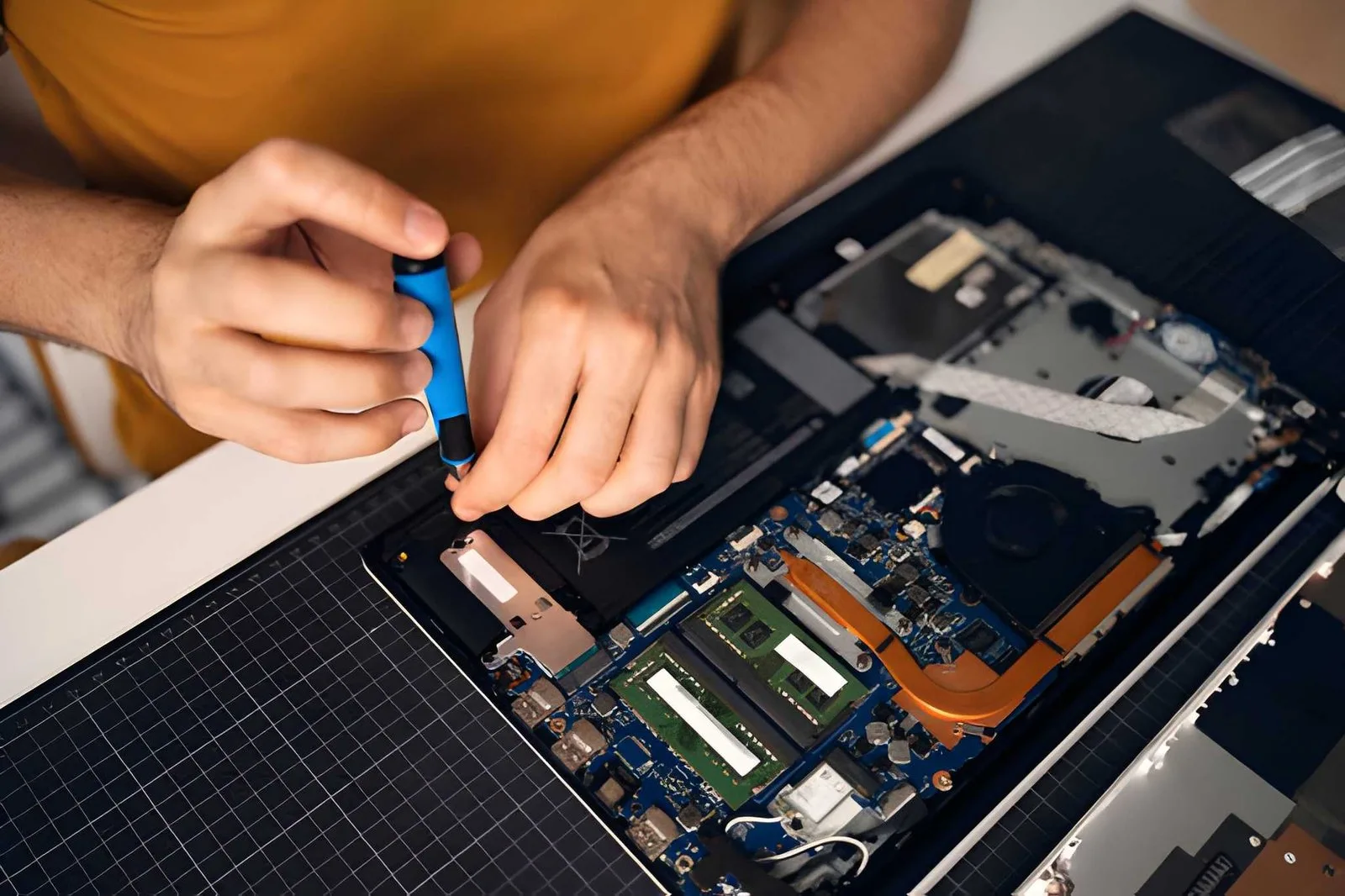
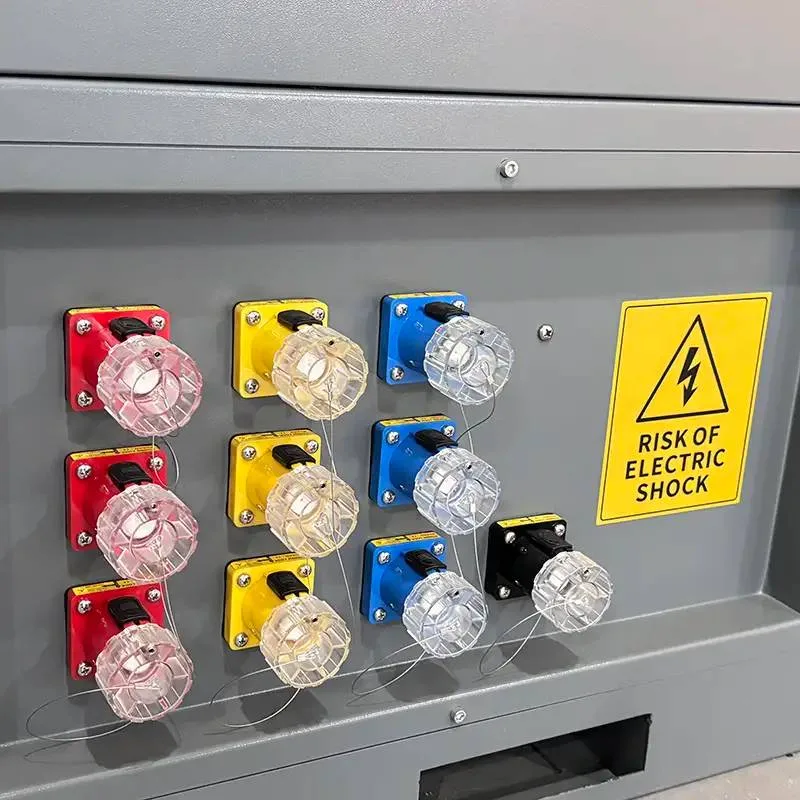
Loose or damaged electrical connections can cause voltage drops, uneven load distribution, and unexpected shutdowns. These faults often develop slowly because of vibration, repeated heating and cooling, or poor original installation. Technicians should check wiring terminals, busbars, and cable lugs for tightness and look for discoloration or burning smells that suggest overheating. Control panels, sensors, and monitoring systems can also fail, causing erratic behavior or incorrect readings. Reviewing error codes, inspecting sensor wiring, recalibrating instruments, and updating control software will resolve many of these issues quickly.

Environmental Factors and Worn Inductive Components
The surrounding environment has a real effect on load bank reliability. High ambient temperatures, dust, and moisture can all interfere with performance. Dust restricts cooling and leads to overheating, while moisture encourages corrosion and short circuits. Outdoor installations face additional stress from rain and direct sunlight, so suitable protective enclosures are essential. Inductive components also wear over time from heat, electrical stress, and vibration. Unusual noises, uneven inductive loading, cracked insulation, or loose mounts are all signs that parts need replacing before they cause test failures or shutdowns.
A Simple Routine to Prevent Repeat Problems
A clear pre-test routine helps technicians catch problems before they interrupt work. Start with a visual inspection for loose wires, blocked vents, damaged insulation, or signs of heat stress. Next, confirm the supply voltage, control settings, and sensor operation. Finally, check fans, filters, pumps, and coolant flow on liquid-cooled units. Most load bank failures trace back to missed maintenance, so consistency matters. If the same faults keep returning or components fail repeatedly, it may be time to consult a professional technician or consider upgrading to newer equipment from a reliable manufacturer.