The travel industry has always been on the forefront of new tech adoption and 2 big evolutions have changed the way consumers and businesses interact with the category:
- Household use of the Internet.
- Mass adoption of connected mobile devices.
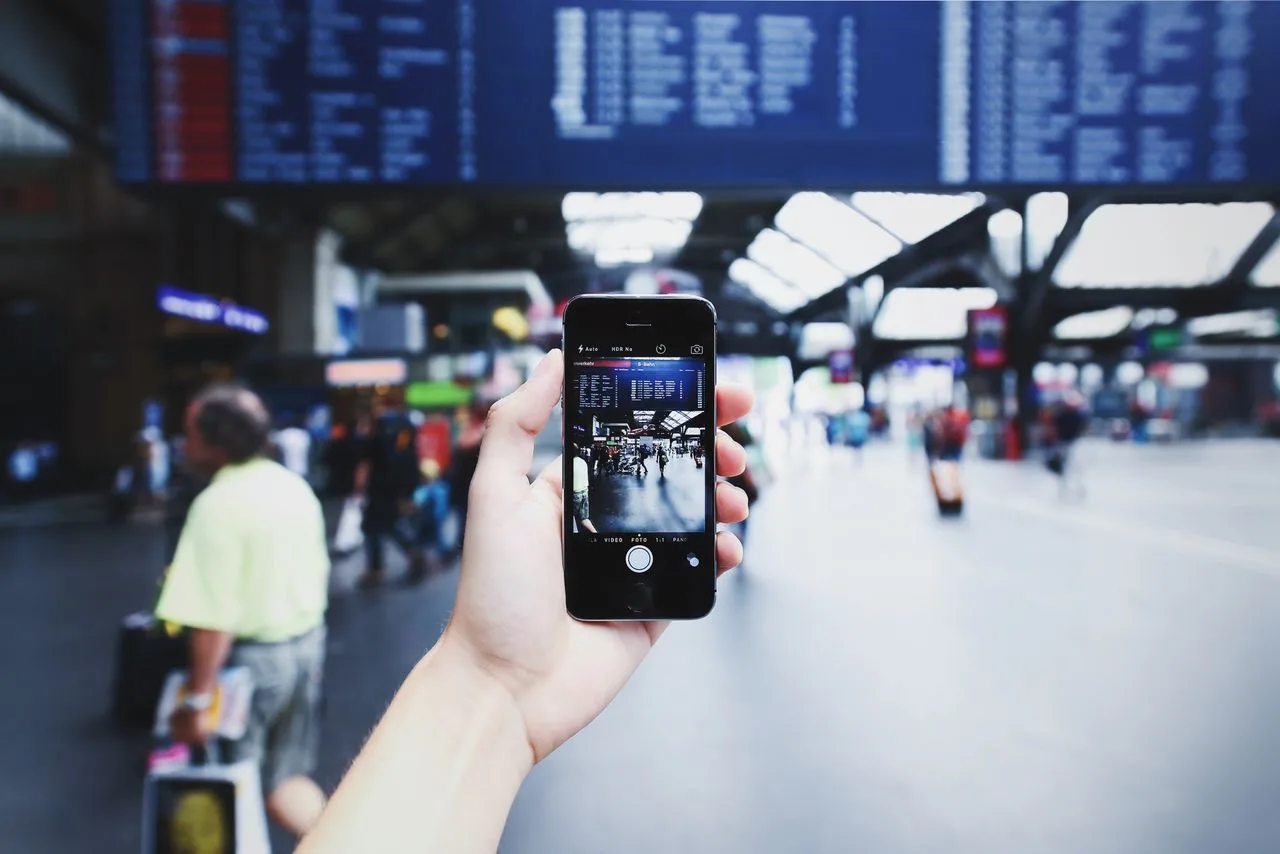
Researching, purchasing and fulfilling travel has never been easier with all the technology advances available to users and their own preferences have shifted towards conveniences and benefits generated by technology and hardware. The increased ease of access to travel could be a factor in the sector’s continuing growth, outpacing the wider global economy by over 1%. Increasing demand for travel is translating to increasing demand for travel technology that elevates users’ experiences and creates opportunities for travel businesses. Understanding traveler preferences when it comes to tech can give travel businesses an advantage in the marketplace by positioning branding and marketing efforts across in demand platforms. A recent survey from BankMyCell suggested 92% of travelers take and use their smartphone devices while on leisure trips and almost 56% check their devices 1-5 times per hour during that trip.

Embracing AI
AI powered technology has proven valuable in the travel industry and is seeing adoption in both user facing and operational infrastructure to elevate experiences and create efficiencies on the back end. For operators and transportation providers, fleet and resource management has seen improvements with AI technology that can assess situations in real time and make adjustments that save time and money. Travelers are embracing AI tech as assistive technology becomes more functional and can not only provide research and purchasing capabilities but also offers on-the-go support while traveling, keeping users connected to resources whenever needed. AI investment is running high and large platforms such as Google and Facebook are allocating resources to their own AI presence, Gemini and Muse respectively. AI in travel is becoming the go to tech for consumers as they look for more automated and convenient methods to engage in travel and related facets of the business.
Mobile Apps to Maximize Devices
Smartphone use in travel is nearing 100% according to public research and usage during actual trips is increasing as mass adoption of the devices continues. Travelers are demanding more from their ‘phones’ and demand for mobile apps that maximize device functionality grows alongside adoption and use. Media creation and connectivity are key wants from users and apps that have easy to use interfaces are preferred by travelers as they engage with their devices during leisure trips. Users are also seeking niche or task specific apps to help research, plan and fulfil trips and elevate overall experiences. medTOUR+assist and PokkeTTREK are examples of ‘task-specific’ apps that help travelers before, during and after journeys and can also deliver benefits to app owners and businesses. Travel consumers have shown preferences to airline and hotel apps, choosing to deal directly with the brand instead of a third party or OTA based apps. As smartphone connectivity, processing and media creation capabilities evolve, travelers will expect even more from their devices and mobile apps provide the outlet for maximizing mobile device functionality.
Bumps in the Road for Document Free Travel
One of the bigger trends in facility management is the push towards document free or paper free travel. Digital immigration and customs processing can transport facilities time and resources while elevating the passenger experience by reducing waiting times considerably. Moving more passengers through terminals means more efficiency and potentially more revenue for those facilities and transport providers. Many locations have rolled out biometric technologies to speed up the process with great success but unfortunately, European points have been experiencing growing pains with the technology as long queues have been the norm throughout the busy summer travel season. Improvements in tech and physical manpower are needed to keep lines moving and this could be a good learning experience for other transport hubs in properly deploying document free travel technology. Zayed International Airport in Abu Dhabi is on the forefront of document free travel with advanced, AI powered facial recognition systems and biometric technology that speeds processing times and realizes those benefits promised by the technology.
Travel Tech Demand Powers Investment
Consumer and more specifically, traveler preferences are shifting towards mobile technology as users look to maximize devices and platform functionality while on trips. The demand for AI based mobile technology is driving investment in the sector as capital continues to flow to startups and tech companies building consumer facing AI and SaaS travel products. Travelers are also using their devices more frequently during trips and demand for features, conveniences and connectivity are driving demand for mobile apps that deliver. This increasing demand for travel tech can generate marketing and revenue opportunities for travel businesses as more users look at smartphones as a must-have, go-to travel accessory in the digital age. Mobile apps that maximize device functionality can cater to those tech demands from travelers while delivering revenue and efficiency benefits to business. TTS builds mobile apps for travelers and travel businesses. Visit the information hub for more details on TTS platforms and technologies: https://traveltechnologysolutions.net/