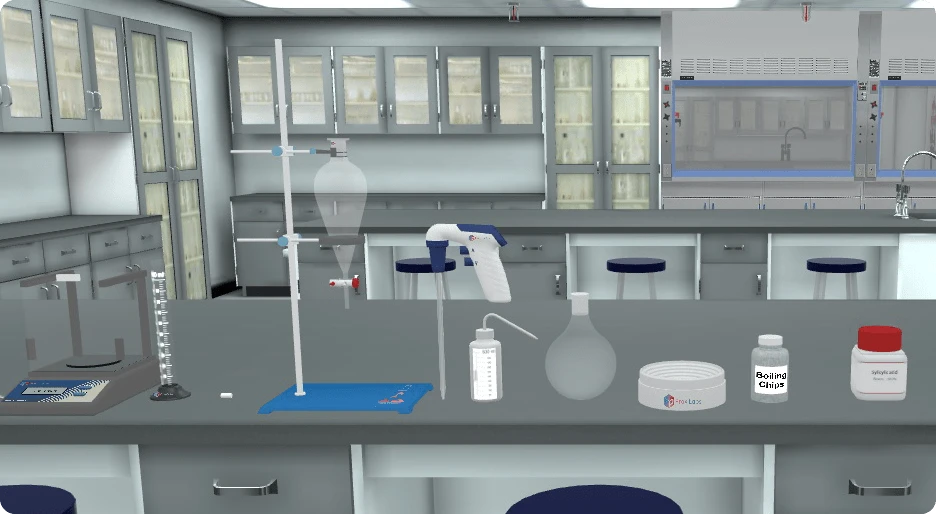
Physics is a subject built on experimentation, observation, and understanding the laws that govern the universe. However, traditional physics labs often face challenges such as limited equipment, safety concerns, and restricted access. This is where the Virtual Physics Lab emerges as a revolutionary solution, reshaping how physics is taught and learned in the digital age.
What Is a Virtual Physics Lab?
A Virtual Physics Lab is an online simulation-based environment that allows students to perform physics experiments digitally. It replicates real laboratory setups, instruments, and procedures, enabling learners to explore concepts such as motion, forces, electricity, waves, and optics in an interactive and engaging way.
By using virtual physics labs, students can conduct experiments anytime and anywhere, without the constraints of physical laboratories.
Why Virtual Physics Labs Matter in Modern Education
As education increasingly shifts toward digital and hybrid models, virtual physics labs have become essential tools for institutions worldwide. They bridge the gap between theoretical knowledge and practical application, ensuring students gain hands-on experience even in remote learning environments.
Key benefits include:
- Safe experimentation without physical risks
- Cost-effective access to complex physics equipment
- Unlimited practice and experiment repetition
- Immediate feedback and data visualization
- Increased student engagement and conceptual understanding
These advantages make virtual physics labs a powerful alternative and complement to traditional labs.
Integrated Learning Through a Virtual Laboratory
A complete Virtual Laboratory provides students with a holistic science learning experience. Platforms like PraxiLabs integrate physics experiments within a broader virtual lab ecosystem, allowing learners to develop practical skills using realistic tools and procedures.
This unified environment supports consistent learning outcomes across different scientific disciplines while maintaining high academic standards.
Virtual Physics Lab: Interactive and Curriculum-Aligned
A professional Virtual Physics Lab offers curriculum-aligned experiments designed to match real classroom and university requirements. Students can investigate physical laws, collect data, analyze results, and draw conclusions just as they would in a physical lab.
Interactive simulations help learners visualize abstract concepts, such as electromagnetic fields or energy transfer, making physics more intuitive and easier to understand.
Expanding Science Education with Virtual Biology Labs
While physics focuses on fundamental forces and motion, life sciences also benefit from digital experimentation. A Virtual Biology Lab complements physics education by enabling students to explore biological processes through immersive simulations.
Together, virtual physics and biology labs create a comprehensive digital science ecosystem that supports interdisciplinary learning and strengthens overall scientific literacy.
Why Schools and Universities Choose Virtual Physics Labs
Educational institutions adopt virtual physics labs to enhance accessibility, scalability, and teaching effectiveness. Educators can rely on structured experiments, clear learning objectives, and performance tracking, while students benefit from interactive and self-paced learning experiences.
Virtual labs also support assessment, experimentation without time limits, and consistent quality across large student groups.
Conclusion: The Future of Physics Learning
The Virtual Physics Lab is redefining physics education by combining innovation, accessibility, and realism. By integrating virtual laboratory platforms with specialized physics and biology labs, students gain meaningful hands-on experience without traditional barriers.
As digital education continues to evolve, virtual physics labs will remain a cornerstone of effective, engaging, and future-ready science education.