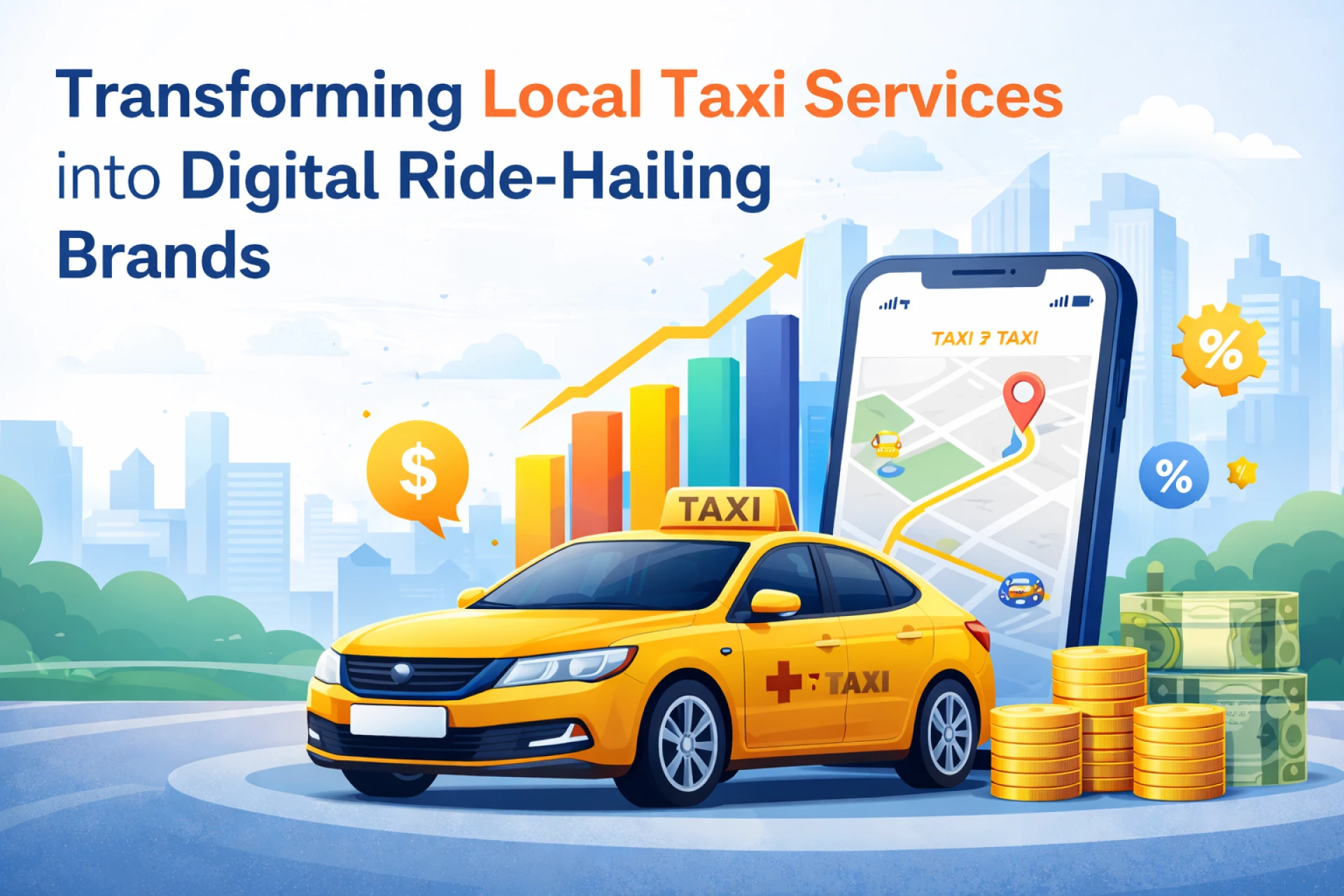
Local taxi services have been part of cities and towns for decades. Customers used to call a dispatch number or wait on the street for a cab. Drivers depended on phone calls and radio communication. Business grew through reputation and trust within the community.
But the transportation industry has changed.
Today, customers expect to book rides through mobile apps. They want instant confirmation, live driver tracking, clear fare details, and digital payments. If a taxi service cannot provide these features, customers quickly choose another option. This shift has pushed many local taxi operators to rethink their business model.
By working with a Taxi app Development Company, traditional taxi businesses can build custom digital platforms that combine local trust with modern technology. This transformation is not just about launching an app. It is about becoming a digital ride-hailing brand that can compete, grow, and scale.
This article shows how local taxi services can shift to digital brands. It also explains ways to boost revenue and achieve lasting growth.
Why the Industry Had to Change
The rise of smartphones and mobile apps has reshaped urban mobility. Ride-hailing platforms introduced features that customers now see as basic requirements.

Riders expect:
- Quick booking within seconds
- Real-time tracking of the vehicle
- Clear fare estimates before confirming
- Secure online payments
- Easy access to ride history
These features create convenience and transparency. Without them, a service feels outdated.
Local taxi operators already have a strong foundation—community relationships and experienced drivers. By adding digital capabilities, they can combine trust with technology.
From Manual Dispatch to Smart Automation
In traditional systems, dispatchers manually assigned drivers. This process was slow and sometimes inefficient. Drivers could remain idle while customers waited.
Digital platforms automate ride matching.
When a rider books through an app:
- The system identifies the nearest available driver
- GPS selects the fastest route
- Fare calculation happens instantly
- Payment is processed automatically
Automation improves speed and reduces errors. Drivers complete more rides per shift because idle time decreases.
More completed rides mean higher daily revenue without adding extra vehicles.
Creating a Modern Brand Identity
Digital transformation also changes how a business is perceived.
A local taxi service becomes a tech-enabled ride-hailing brand. The mobile app becomes the face of the company.
Clean design, simple navigation, and fast performance build customer confidence. Many operators work with a skilled iPhone app development company. This helps their apps run smoothly on iOS devices.
App store ratings also matter. Positive reviews attract new users. Higher ratings improve visibility.
Brand image plays a major role in customer trust.
Owning Customer Relationships
When taxi businesses depend on third-party platforms, those platforms control the customer relationship. They also take commissions from every ride.
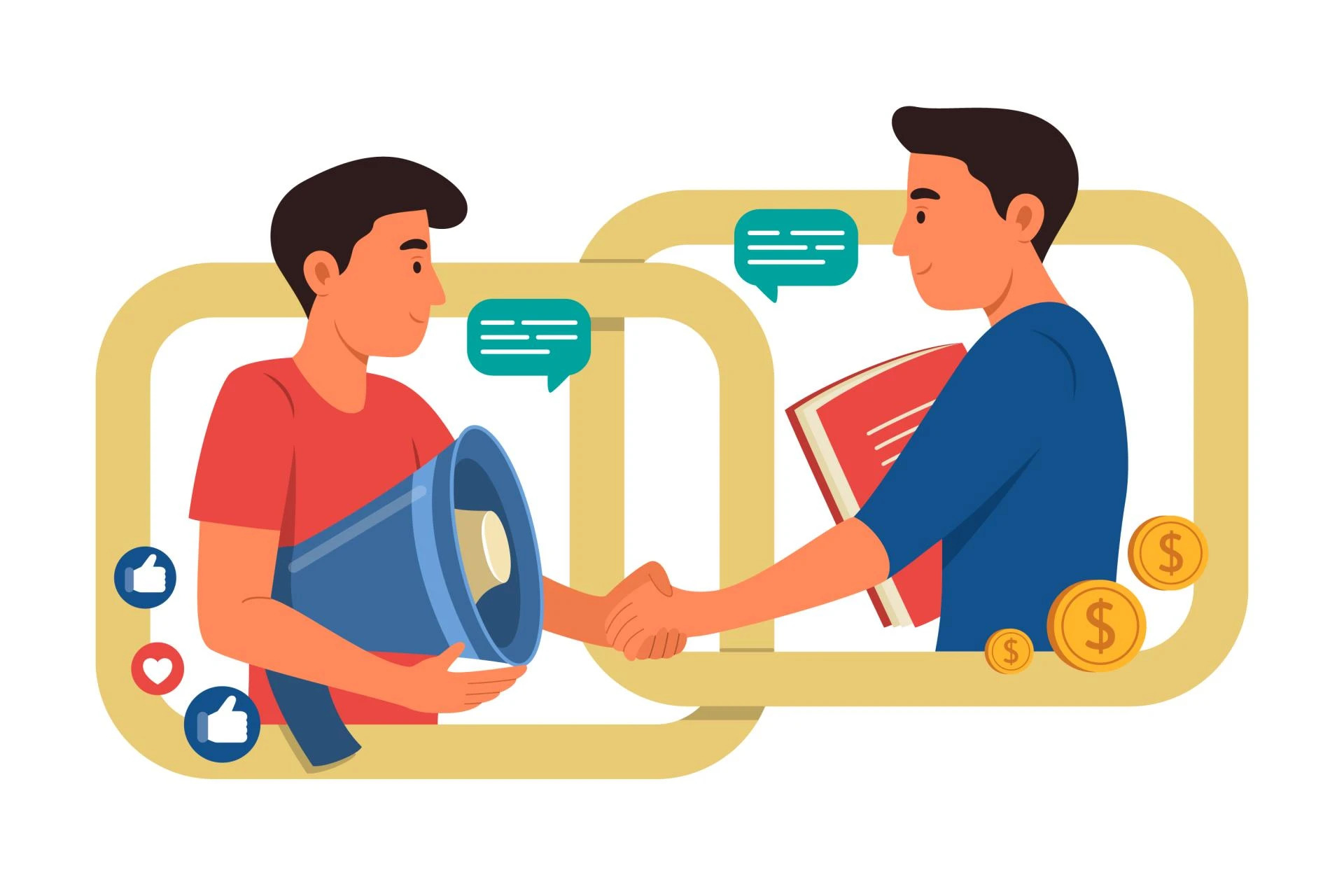
A custom digital platform lets businesses fully own their customer data and pricing strategies.
This allows companies to:
- Launch loyalty programs
- Send promotional notifications
- Offer referral rewards
- Provide personalized discounts
For example, riders may receive ride credits after completing a certain number of trips. Special promotions during holidays can increase bookings.
Direct engagement builds long-term loyalty.
Using Data to Drive Growth
Every ride generates valuable information.
Digital platforms collect data about:
- Peak demand hours
- High-traffic areas
- Popular destinations
- Customer booking patterns
This data helps operators make better decisions.
If demand increases in certain neighborhoods, more drivers can be assigned there. If bookings drop during specific hours, discounts can be introduced.
Data reduces guesswork and improves planning accuracy.
Supporting Drivers with Better Tools
Drivers are central to any transportation business. Technology should make their work easier.
Driver apps provide:
- Instant ride notifications
- Turn-by-turn navigation
- Earnings summaries
- Payment tracking
These tools increase efficiency and transparency. Drivers can focus on service instead of manual coordination.
Satisfied drivers provide better customer experiences. Positive experiences lead to better ratings and repeat bookings.
Expanding Services for More Revenue
A digital ride-hailing brand can offer more than basic taxi rides.
Additional services may include:
- Airport transfers
- Corporate ride packages
- Premium car options
- Package delivery services
- Carpooling features
For example, during slow periods, drivers can deliver packages. Corporate contracts provide stable income.
Multiple revenue streams reduce financial risk and increase overall profitability.
Strengthening Safety and Trust
Safety is a major concern for riders.
Digital platforms can include:
- Verified driver profiles
- Real-time ride tracking
- Emergency contact features
- Transparent fare breakdowns
When passengers feel safe, they are more likely to use the service regularly.
Trust leads to loyalty, and loyalty drives long-term growth.
Preparing for Future Expansion
As local taxi services grow, their technology must support expansion.
Cloud-based systems allow businesses to add new cities and drivers without performance issues. New features can be integrated as customer needs change.
Taxi operators planning long-term digital success often collaborate with a trusted Mobile App Development Company to build scalable systems that remain reliable as demand increases.
Scalability ensures sustainable growth.
Managing the Transition
Shifting from traditional operations to digital platforms can feel challenging.
Common concerns include:
- Training drivers to use new technology
- Encouraging customers to download the app
- Managing initial development costs
Proper training sessions and promotional campaigns help ease the transition. Over time, customers appreciate the convenience, and drivers see higher earnings.
The long-term benefits outweigh the short-term effort.
The Growth Cycle of Digital Transformation
When local taxi services adopt digital platforms, a powerful growth cycle begins:
- Better booking experience increases ride frequency.
- Higher ride frequency increases revenue.
- Increased revenue supports innovation and marketing.
- Innovation improves loyalty.
- Loyal customers book repeatedly.
This cycle builds financial stability year after year.
Final Thoughts
Local taxi services have clear benefits: reliable drivers, local insights, and strong customer ties.
By adding digital tools. These businesses can compete with large ride-hailing platforms while maintaining their community roots.
Transformation does not mean losing identity. It means improving efficiency, expanding services, and strengthening customer loyalty.
When local knowledge meets modern technology, taxi services become powerful digital ride-hailing brands. They aim for long-term success.
Frequently Ask Questions
1. Why should local taxi services go digital?
Ans: Local taxi services should go digital to meet modern customer expectations. Riders want instant booking, real-time tracking, digital payments, and transparent pricing. A digital platform improves convenience and competitiveness.
2. How does a taxi app increase revenue?
Ans:A taxi app boosts revenue by cutting idle time. It allows dynamic pricing and increases ride frequency. Plus, it offers extra services like delivery and corporate ride packages.
3. Can local taxi businesses compete with global ride-hailing platforms?
Ans: Yes. Local operators have strong community knowledge and customer trust. By combining this advantage with digital tools, they can offer competitive pricing and personalized service.
4. What features are essential in a digital taxi app?
Ans: Key features include real-time GPS tracking, fare estimation, secure digital payments, ride history, driver ratings, and emergency safety options.
5. How does digital transformation benefit taxi drivers?
Ans: Drivers benefit from automated ride allocation, optimized routes, earnings tracking, and transparent payment systems. This improves efficiency and increases daily earnings.