The dining room is more than a place to enjoy meals. It is where families spend quality time together, friends gather for celebrations and everyday conversations take place. Creating a welcoming dining environment requires the right combination of furniture, lighting, colours and accessories.
One of the most effective ways to improve a dining area is by combining a practical dining table with comfortable seating. Extendable dining sets and dining benches are particularly useful because they offer flexibility while helping homeowners make better use of available space.
1. Choose Furniture That Matches Your Lifestyle
Before selecting dining furniture, consider how the space is used.
A household that enjoys regular family meals may need a spacious table with comfortable everyday seating. Those who frequently entertain guests might prefer a flexible arrangement that can accommodate additional people.
Think about the number of people who regularly use the dining area, the available floor space and whether the room serves other purposes.
In open-plan homes, the dining area may also function as a workspace or a place for children to complete homework. Choosing adaptable furniture can make the room more useful throughout the day.
2. Why Extendable Dining Tables Are a Practical Choice
Extendable dining tables have become increasingly popular because they combine everyday convenience with additional seating capacity.
When closed, these tables occupy less space and are suitable for regular family meals. When guests arrive, the extension mechanism allows the tabletop to expand, providing more room for additional diners.
There are several extension mechanisms available, including butterfly extensions, removable leaves and sliding tabletop systems.
Each design has its own advantages, so consider how easy the mechanism is to operate and whether the extension can be stored conveniently.
An extendable dining table and chairs combination can be particularly useful for homeowners who want a coordinated dining arrangement without purchasing individual pieces separately.
3. Explore Different Dining Table Materials
The material of a dining table has a significant influence on the appearance of the room.
Wooden dining tables: Wooden surfaces create warmth and suit traditional, rustic and contemporary interiors. Different wood tones can complement flooring and existing furniture.
Glass dining tables: Glass creates a light and open appearance, making it a useful option for smaller dining rooms. However, regular cleaning may be required.
Ceramic dining tables: Ceramic surfaces offer a sophisticated appearance and are popular in modern interiors. They can provide a distinctive focal point.
Marble-effect tables: These designs introduce an elegant finish without necessarily requiring the cost or maintenance associated with natural marble.
Choose a material that suits your interior style and everyday maintenance preferences.
4. Add Dining Benches for Flexible Seating
Dining benches are an excellent alternative to traditional dining chairs. They can accommodate multiple people, create a relaxed atmosphere and make efficient use of available space.
Unlike individual chairs, benches can often be tucked underneath the table when not in use. This helps maintain a cleaner appearance and provides additional walking space.
Different designs are available, including wooden benches, upholstered benches and models with backrests.
If comfort is a priority, upholstered options can provide additional cushioning. Wooden benches, on the other hand, are often preferred for their simple appearance and easy coordination with dining tables.
Exploring different dining room benches can help you find a suitable style for your dining arrangement.
5. Combine Benches and Chairs for a Balanced Look
You do not have to choose between dining chairs and benches. Combining both can create an attractive and practical arrangement.
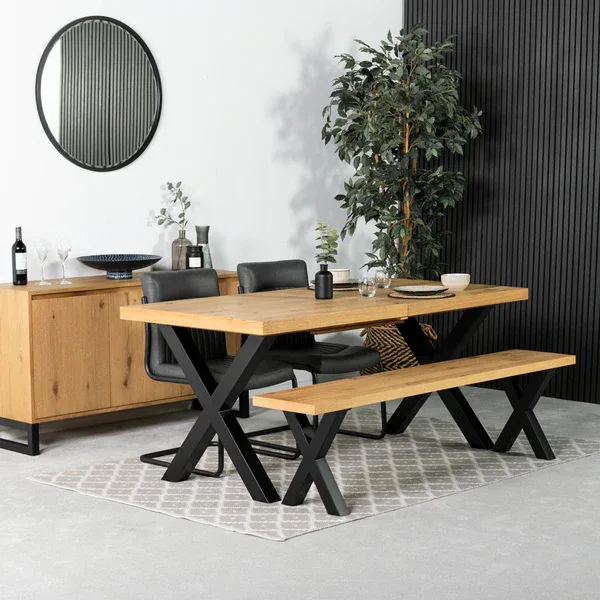
For example, a rectangular dining table can be paired with a bench along one side and individual chairs along the opposite side.
This arrangement offers flexible seating while introducing visual variety.
A bench can also be positioned against a wall to save space, particularly in smaller dining rooms or breakfast areas.
When mixing different seating styles, maintain consistency through materials, colours or finishes.
6. Make the Most of Smaller Dining Rooms
Limited space does not mean you need to compromise on style or functionality.
Consider compact rectangular tables, round designs or extendable models that can be adjusted according to your requirements.
Benches can be particularly beneficial in narrow dining spaces because they can be pushed closer to the table when not in use.
Choose lighter colours and avoid oversized furniture that blocks natural light or restricts movement.
Wall-mounted shelves and compact storage cabinets can provide additional functionality without occupying excessive floor space.
7. Improve the Dining Room Atmosphere
Furniture creates the foundation of your dining area, but the surrounding details complete the design.
A pendant light above the table can establish a focal point and create a warm atmosphere during evening meals.
Rugs can help define the dining zone, particularly in open-plan interiors. Choose a size that allows chairs to remain on the rug when pulled away from the table.
Artwork, mirrors and indoor plants can introduce personality without making the room feel cluttered.
Neutral colour schemes work well with natural wood, while darker finishes can create a more dramatic and contemporary appearance.
8. Focus on Comfort and Long-Term Value
Appearance should never be the only consideration when purchasing dining furniture.
Check the stability of the table, the quality of the extension mechanism and the construction of benches and chairs.
Make sure seating height is compatible with the table and that sufficient legroom is available.
Consider the manufacturer's care recommendations, especially when selecting materials that may be exposed to food spills and regular use.
Investing in well-made furniture can help create a dining area that remains functional and attractive for years.
Final Thoughts
Transforming your dining space does not always require a complete renovation. Choosing a practical extendable table, introducing comfortable benches and coordinating the surrounding décor can make a significant difference.
By focusing on space, seating flexibility, materials and comfort, you can create a dining environment that supports everyday family life while remaining welcoming for guests and special occasions.