A good night's sleep is influenced by more than the number of hours spent in bed. The sleeping environment, mattress quality, room temperature, and even the pillow beneath your head can influence how comfortable you feel throughout the night. Yet, pillows are often treated as simple bedroom accessories rather than important parts of a personalized sleep setup.
One reason people are paying closer attention to their bedding is the growing interest in personalized comfort. Instead of choosing a pillow based only on its size or softness, shoppers are considering materials, adjustability, temperature regulation, and sleeping preferences.
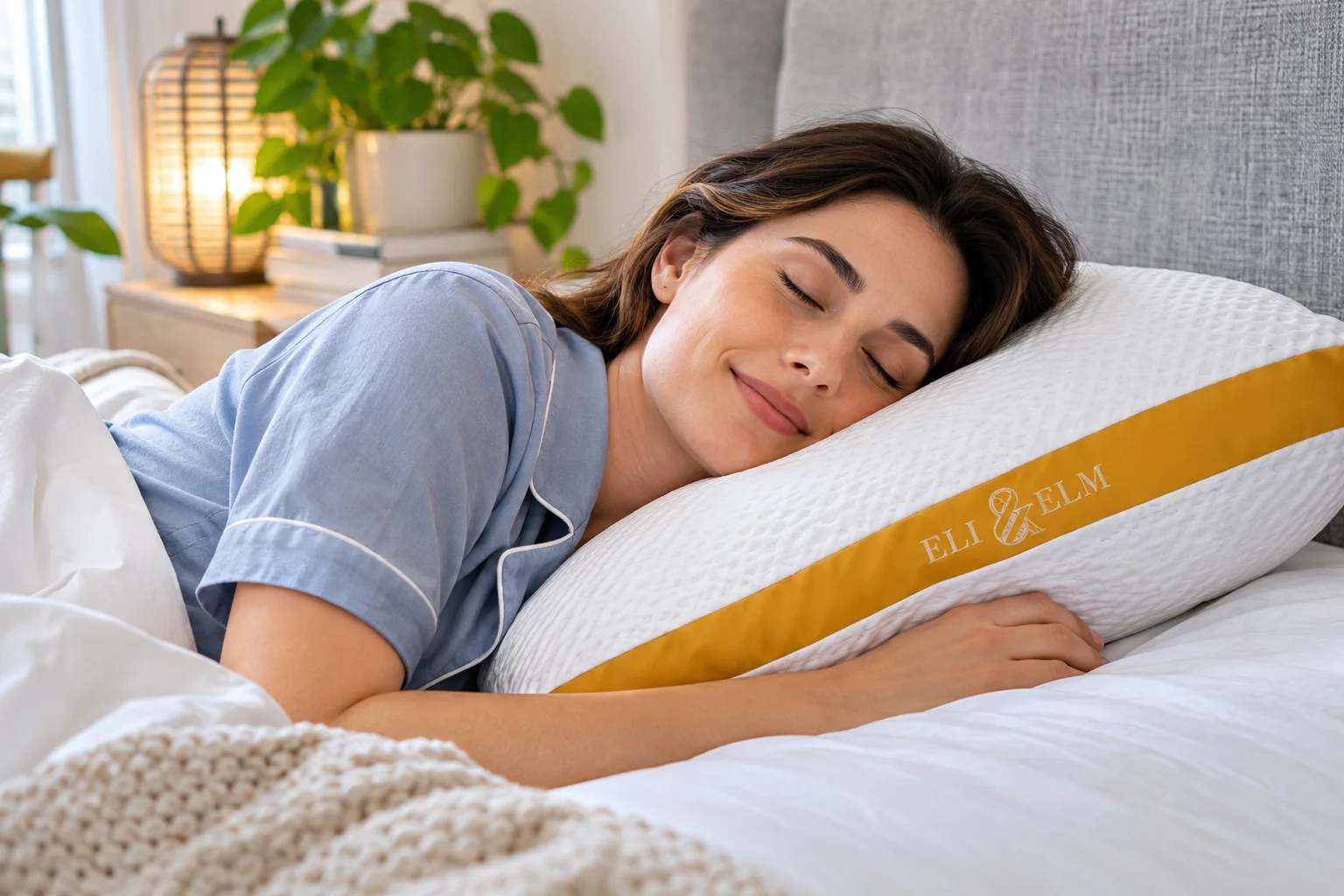
A Memory Foam Pillow is one option that fits this changing approach to sleep comfort. Its ability to contour around the head and neck, combined with different filling styles and adjustable designs, makes it worth exploring for people who want a more customized sleeping experience.
Why the Right Memory Foam Pillow Matters
Not everyone experiences pillow comfort in the same way. Someone who sleeps on their back may prefer a different pillow height from someone who sleeps on their side. Similarly, people who change positions during the night may need a pillow that adapts to different sleeping preferences.
Traditional pillows can sometimes feel too flat, too firm, or difficult to customize. Memory foam offers another approach because the material responds to pressure and takes the shape of the area resting against it.
How Memory Foam Creates a Personalized Feel
Memory foam is known for its contouring characteristics. When pressure is applied, the material responds to the shape and weight placed on it. This creates a closer, more molded feel compared with many traditional loose-fill pillows.
Shredded memory foam offers an additional level of flexibility. Unlike a single solid foam block, shredded filling consists of smaller pieces that can move within the pillow. Depending on the construction, this can create a softer, more adjustable feel.
For shoppers comparing different pillow materials, the choice often comes down to personal preference:
- Contouring: Memory foam adapts to pressure from the head and neck.
- Adjustability: Some shredded-fill pillows allow users to add or remove material.
- Feel: Memory foam generally offers a softer, more molded sensation.
- Customization: Different fill amounts can change the overall height and firmness.
The important point is that a pillow should match the individual rather than forcing every sleeper to adapt to the same design.
Memory Foam Pillow Loft: Why Pillow Height Deserves Attention
Pillow loft refers to the height of a pillow when it is resting under the head. It is one of the most overlooked factors when selecting bedding.
A pillow that feels comfortable in a store may not feel the same after several nights at home. This can happen because the mattress, shoulder width, sleeping position, and personal comfort preferences all influence how a pillow feels.
Finding a Comfortable Loft for Your Sleeping Position
Side sleepers often prefer a higher pillow because the space between the shoulder and head can be greater. Back sleepers may prefer a medium-height option, while stomach sleepers often find a lower profile more comfortable.
These are general considerations rather than strict rules. Mattress softness and body proportions can change what feels appropriate.
An adjustable Memory Foam Pillow provides an interesting solution because the user can modify the amount of filling instead of replacing the entire pillow.
For example, someone who initially finds a pillow too full may remove some filling to create a lower profile. If the pillow later feels too flat, additional filling can help increase its loft.
This type of flexibility makes adjustable pillows particularly interesting for people who are still discovering their preferred sleep setup.
The Role of Additional Filling in Long-Term Pillow Comfort
Pillow preferences are not necessarily permanent. A person may become accustomed to a softer or firmer feel over time, or simply discover that the original pillow height does not suit their sleeping habits.
This is where additional filling becomes useful.
Instead of buying an entirely new pillow whenever the original feels too flat, some adjustable designs allow users to modify the existing filling.
When Should You Consider a Memory Foam Fill Pack?
An additional fill pack can be helpful when a pillow needs more height or a fuller feel. However, adding too much material can make a pillow feel firmer than expected, so gradual adjustments are usually a more practical approach.
For example, the Memory Foam Fill Pack from Eli & Elm contains shredded memory foam and premium polyester fibers. Its product information lists approximately 12 ounces of filling, typically enough for two pillows.
The fill is described as a blend of 75% memory foam and 25% ultra-fine polyester fiber. It is designed to help users increase the loft of compatible Eli & Elm pillows.
Before purchasing additional filling, check whether it is compatible with your existing pillow. Not every pillow uses the same filling composition or construction.
Why Temperature Management Is Part of the Pillow Conversation
Comfort is not only about softness and support. Temperature also plays a role in how people experience their sleep environment.
Some sleepers naturally prefer a cooler sleeping surface, while others feel comfortable with warmer bedding. Pillow materials, fabric construction, ventilation, and the surrounding bedroom environment can all influence the experience.
Memory foam has a reputation for contouring, but traditional solid foam designs may feel different from shredded-fill constructions. The structure of the material and the pillow cover can affect how air moves through the product.
Can a Cooling Pillow Make a Difference?
A cooling pillow is designed with materials or construction features intended to create a more temperature-conscious sleeping surface.
People who frequently feel warm around their head during sleep may want to pay closer attention to fabric composition, breathability, and the overall design of their bedding.
For a deeper explanation, explore this guide on how a cooling pillow works and why you may need one.
It discusses cooling pillow materials, temperature considerations, and features that shoppers may want to understand before choosing their next pillow.
The key is to look beyond marketing labels. Terms such as cooling, breathable, and temperature-regulating can describe different product features. Reading the material specifications helps shoppers understand what they are actually buying.
Choosing a Memory Foam Pillow: Features Worth Comparing
With so many pillow designs available, comparing specifications is more useful than relying on appearance alone.
Before making a decision, consider the following factors:
1. Filling Composition
Memory foam pillows can use solid foam, shredded foam, or blended filling. Shredded memory foam may offer more flexibility, while solid foam generally provides a more uniform structure.
2. Adjustable Design
A removable-fill construction gives users greater control over pillow height. Look for a zippered design that provides direct access to the filling.
3. Cover Material
The cover is the part of the pillow that comes into direct contact with the sleeper. Fabric composition, texture, and washing instructions should all be considered.
4. Sleeping Preferences
Think about whether you usually sleep on your back, side, stomach, or a combination of positions. Your preferred sleeping position can influence the pillow height and feel you find comfortable.
5. Maintenance
A removable and washable cover can make regular pillow care easier. Always follow the manufacturer's cleaning instructions, particularly when the inner filling cannot be machine washed.
Exploring Adjustable Memory Foam Pillow Options
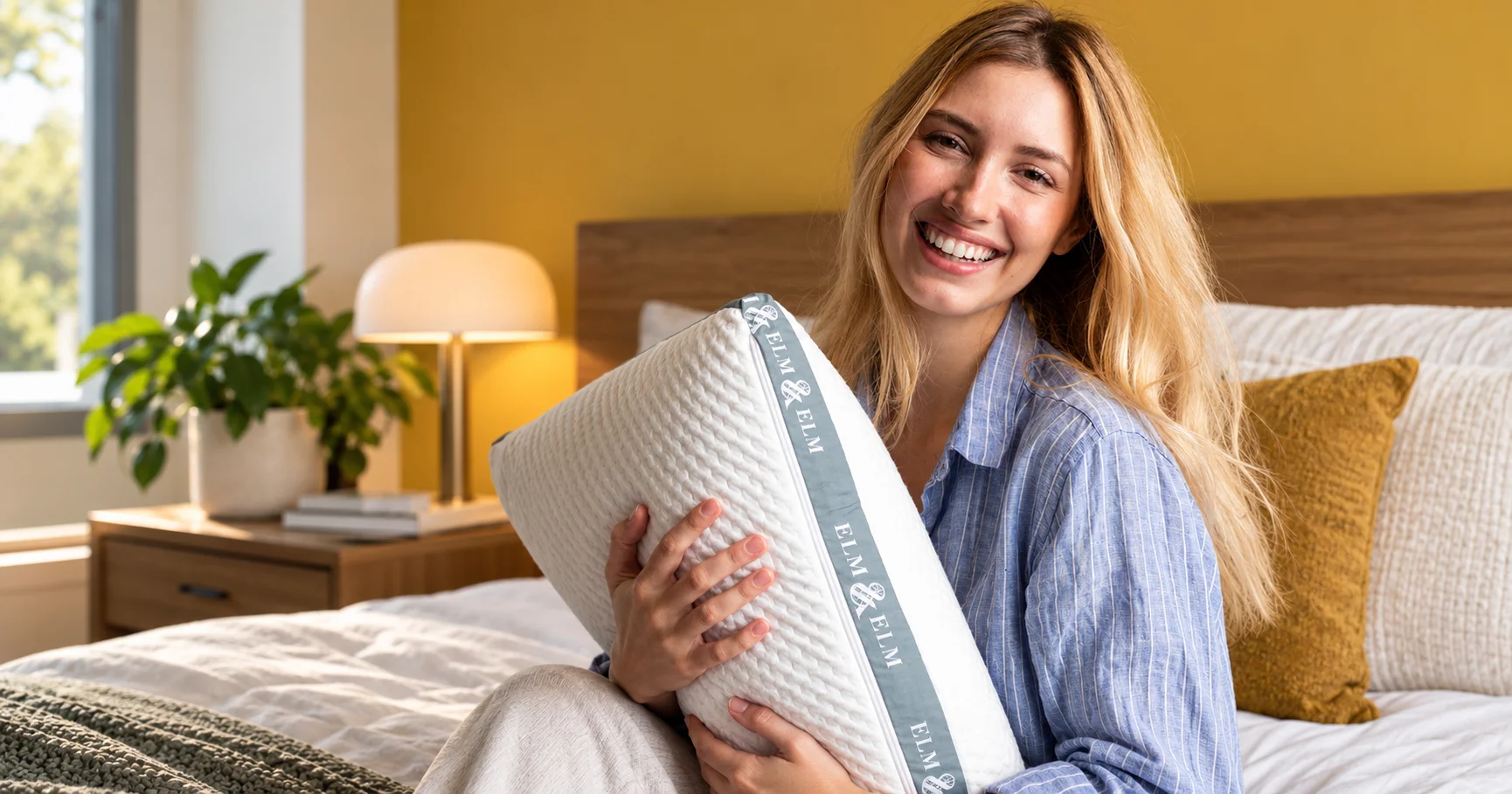
One example of a customizable pillow is the Eli & Elm Everyday Pillow.
The product is available with different filling options, including shredded memory foam and latex noodle filling. Its product specifications list a queen size of 18 × 28 inches and a cover made from cotton, spandex, and polyester.
The adjustable construction allows users to access the filling and change the loft according to their preferences. This is useful for people who want to experiment with different pillow heights instead of committing to one fixed feel.
The memory foam variation uses 75% shredded memory foam and 25% polyester fiber. The product also features a one-inch gusset designed to help maintain a more uniform pillow profile.
When evaluating any pillow, it is worth reviewing the specifications, care instructions, and return conditions before purchasing. These details provide a clearer picture of whether the product matches your expectations.
Building a More Personalized Sleep Environment
A comfortable bedroom does not require replacing every item at once. Small, thoughtful changes can help create a more suitable environment.
Start by evaluating your current pillow. Does it feel too high or too low? Does the material match your preferred level of softness? Does the cover feel comfortable against your skin?
Next, consider your mattress and bedroom temperature. A pillow that feels comfortable on one mattress may feel different on another because mattress firmness influences how deeply the shoulder and body settle into the bed.
Finally, give yourself time to evaluate changes. Adjusting pillow filling, changing pillow covers, or switching materials may require a few nights of observation before you understand your preferences.
The goal is not to find a universally perfect pillow. It is to find a combination of materials, height, and feel that works for your individual needs.
Final Thoughts
Choosing the right pillow is a personal decision involving more than softness or price. Filling composition, adjustable loft, fabric, maintenance, and temperature preferences all contribute to the overall experience.
A Memory Foam Pillow can be an appealing option for people who appreciate contouring comfort, particularly when the design uses adjustable shredded filling. Additional fill packs can offer more flexibility, while cooling-focused designs provide another feature to consider when building a comfortable bedroom.
Rather than following every new bedding trend, focus on understanding the materials and features that suit your sleeping preferences. A thoughtful approach to pillow selection can help make your sleep environment more comfortable, practical, and personalized.