The kitchen is the centerpiece of today’s modern homes. It’s no longer just a cooking zone—it’s a space for family gatherings, casual dining, work, and entertaining guests. As lifestyles evolve, so do kitchen designs. Modern kitchen interior design is about optimizing functionality while creating a beautiful, clutter-free, and tech-integrated environment. If you're considering a kitchen transformation, this blog explores everything you need to know, drawing inspiration from Impressive Architecture, a leading name in contemporary residential design.
Understanding the Core of Modern Kitchen Interior Design
At its heart, modern kitchen interior design focuses on simplicity, efficiency, and aesthetics. It merges minimalism with technology, combining clean lines, open spaces, smart appliances, and sustainable materials. Unlike traditional kitchens with heavy ornamentation, modern kitchens favor streamlined layouts, neutral palettes, and concealed storage.
According to Impressive Architecture, a well-executed modern kitchen enhances cooking efficiency, supports lifestyle flexibility, and increases the overall value of your home.
1. Layout Optimization: The Foundation of a Modern Kitchen
The layout forms the backbone of every kitchen design. In modern kitchen interior design, layouts prioritize open spaces, flow, and practicality.
Popular layout styles include:
- L-shaped kitchens: Great for open-concept homes, offering corner efficiency and a social vibe.
- U-shaped kitchens: Ideal for maximizing storage and prep areas, often including a central island.
- Galley kitchens: Perfect for narrow spaces; highly functional with parallel counters.
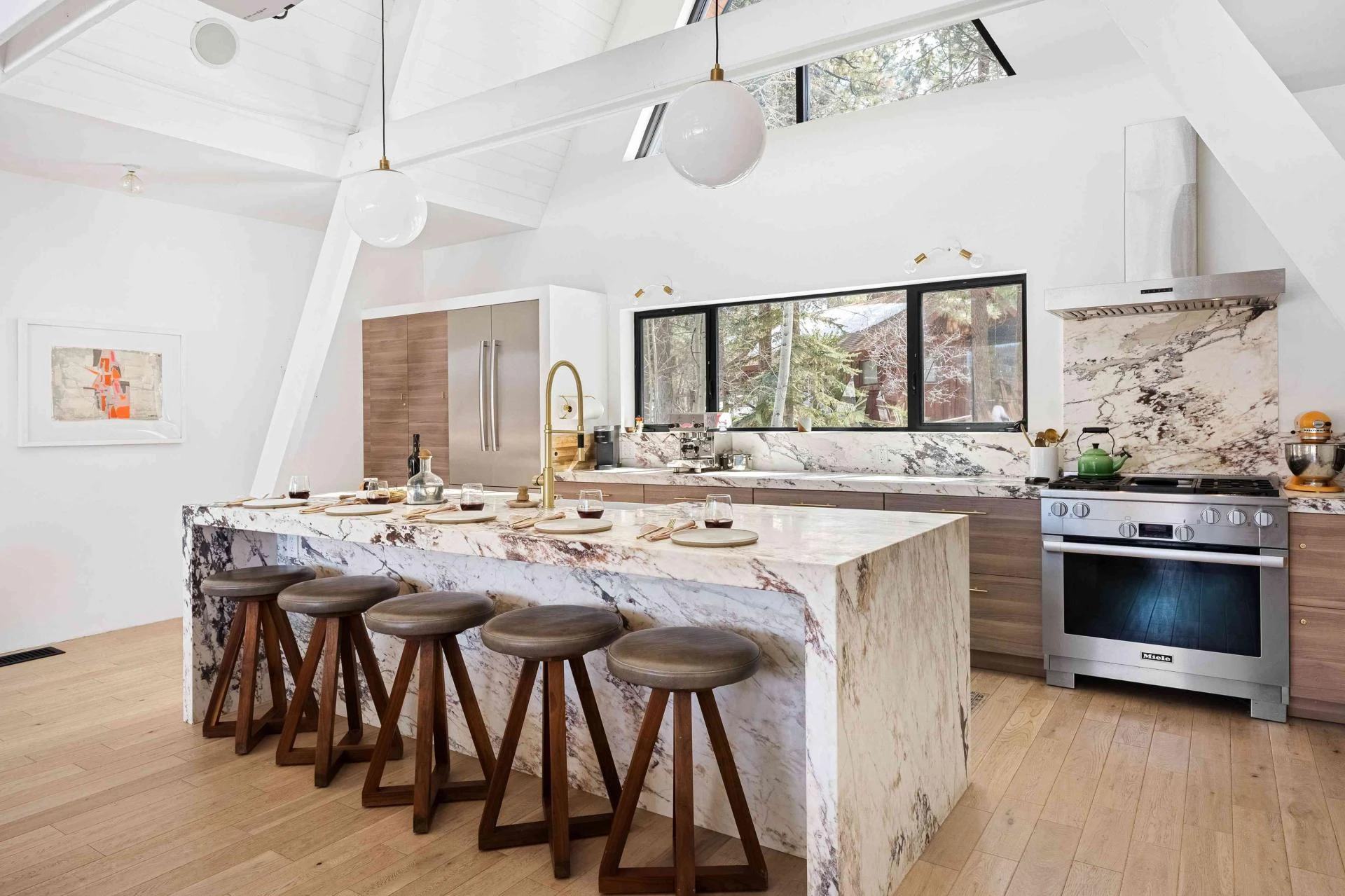
- Island kitchens: Highly popular in modern designs, providing extra prep space and social seating.
Impressive Architecture recommends placing the sink, stove, and refrigerator in a triangular format (the work triangle) to reduce movement and improve workflow.
2. Neutral Tones and Layered Materials for Visual Balance
Color and material selection significantly impact the atmosphere of a kitchen. In modern kitchen interior design, color palettes tend to be calm and natural—think white, grey, taupe, and soft earth tones.
However, visual contrast and texture are essential for depth:
- Cabinetry: Matte white or dark grey finishes with flat panels.
- Countertops: Quartz, granite, or concrete for a clean and durable surface.
- Backsplashes: Glass, subway tiles, or stone for a bold accent.
- Flooring: Light wood, polished concrete, or stone-look tiles.
Impressive Architecture often recommends combining smooth surfaces with natural textures to balance warmth and modernity.
3. Integrated Storage Systems That Maximize Space
Storage in modern kitchens is designed to be invisible yet extremely functional. Clutter-free countertops and hidden compartments are essential features of modern kitchen interior design.
Key storage solutions include:
- Handleless cabinets with push-to-open mechanisms.
- Pull-out pantries and vertical spice racks for compact storage.
- Deep drawers with customizable organizers for pots, cutlery, and utensils.
- Appliance garages to hide microwaves, blenders, or toasters.
With design expertise from Impressive Architecture, every inch is used efficiently, turning even small kitchens into highly usable spaces without compromising on appearance.
4. Advanced Appliances and Technology Integration
Technology is at the forefront of modern kitchen interior design. Appliances today are smarter, sleeker, and more efficient, with features that simplify everyday tasks.
Smart appliance must-haves:
- Induction cooktops: Fast, energy-saving, and safer than gas.
- Built-in ovens and microwaves: Seamlessly aligned with cabinetry.
- Smart refrigerators: With touchscreens, inventory tracking, and energy-saving modes.
- Dishwashers: Whisper-quiet, water-efficient models with built-in drying.
Impressive Architecture suggests placing appliances at convenient heights and locations to enhance cooking comfort and reduce strain. For instance, eye-level ovens and under-counter fridges for children’s access.
5. Functional Lighting Design for Mood and Clarity
Lighting in a modern kitchen must be both functional and ambient. Unlike traditional kitchens with a single ceiling fixture, modern kitchen interior design incorporates layered lighting.
Layered lighting includes:
- Ambient lighting: General illumination via recessed lights or modern pendant fixtures.
- Task lighting: LED strips under cabinets for safe and effective food prep.
- Accent lighting: Decorative pendants over islands or cabinet lighting for display areas.
- Natural light: Maximized through large windows or skylights.
Impressive Architecture emphasizes energy-efficient lighting options, especially dimmable LEDs and smart controls that adapt to different times of day.
6. Sustainable and Eco-Conscious Material Use
Sustainability is a key part of modern kitchen interior design. Homeowners today seek materials and technologies that reduce their environmental impact.
Eco-friendly choices include:
- Reclaimed wood or bamboo for cabinetry and flooring.
- Recycled countertops made of glass, quartz, or paper composite.
- Water-efficient faucets with aerators.
- Low-VOC paints and adhesives to improve indoor air quality.
- Solar-powered lighting for daytime use in naturally lit areas.
According to Impressive Architecture, using durable, responsibly sourced materials not only protects the environment but also reduces long-term maintenance and replacement costs.
7. Multipurpose Kitchen Islands for Social Living
Modern kitchens are designed for interaction. The island serves as more than just a prep surface—it becomes a family hub, dining spot, and even a home office.
Consider including:
- Seating for 2–4 people for casual meals or conversations.
- Open shelving or wine racks on one side.
- Extra storage drawers or pull-out bins for easy access.
- Built-in sink or cooktop for multitasking during food prep.
Impressive Architecture often designs islands that act as the centerpiece of the kitchen, combining function with modern aesthetics and making them an ideal space for entertaining guests or bonding with family.
8. Personal Expression Through Subtle Design Details
While minimalism defines the structure, personality comes through in the details. Accessories in modern kitchen interior design should be intentional and cohesive.
Ideas for personalization:
- Floating shelves with cookbooks, pottery, or artwork.
- Statement lighting like dome pendants or linear chandeliers.
- Matte black, brass, or copper hardware for a trendy look.
- Indoor herb planters for freshness and color.
- Wall-mounted rails for utensils, making function decorative.
Impressive Architecture encourages clients to personalize their space without crowding it. Accessories should complement the clean lines and open flow of the design.
Conclusion: Designing the Kitchen of Tomorrow
Modern kitchen interior design combines innovation, aesthetics, and usability into a unified vision. It’s not just about following trends—it's about designing a space that supports your lifestyle, simplifies your routine, and adds lasting value to your home.
With thoughtful planning, quality materials, smart technology, and expert insights from Impressive Architecture, your kitchen can evolve into a space that feels futuristic yet timeless. Whether you're doing a full remodel or upgrading one element at a time, remember that the key to modern design is simplicity, function, and intentional style.
Let modern kitchen interior design guide your kitchen transformation into a room that truly reflects how you live, cook, and connect every day.