
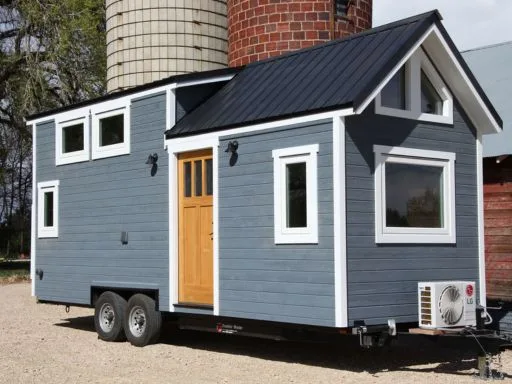
Let’s not overcomplicate this. If your foundation is weak, everything else is just decoration waiting to fail. That’s where Trailer Made Trailers come in. People love to talk about finishes, layouts, skylights, all that Pinterest stuff. But the trailer? That’s the real base of your tiny home. And yeah, it matters a lot more than most folks realize.
When you’re working with tiny home builders or even going DIY, the trailer decides your limits. Weight. Width. Stability. Even how safe you feel towing it down a highway. A bad trailer doesn’t just inconvenience you—it can wreck the whole project. Seen it happen. Not pretty.
The Link Between Trailers and a Legal Tiny House
Now here’s where things get a bit tricky. Everyone wants a legal tiny house, but not everyone understands what that really means. It’s not just about size or parking it somewhere quietly. Regulations often tie back to mobility classification.
A properly built trailer helps your home qualify as an RV in many regions. That’s a big deal. It’s the difference between legal-ish and completely illegal. Trailer Made Trailers are designed with that in mind. They’re not guessing. They build for compliance, or at least give you a fighting chance.
Still, laws vary. A lot. So you don’t just buy a trailer and call it a day. You plan around it.
Built for Tiny Home Builders, Not Just Welders
Here’s something people miss. These trailers aren’t just chunks of steel slapped together. They’re designed specifically for tiny home builders. That changes everything.
The placement of axles, the drop axle design for lower height, the way weight is distributed—it’s all intentional. You don’t have to fight the structure while building your home. That alone saves time, money, and a whole lot of frustration.
I’ve seen DIY builders try to modify standard utility trailers. It works… until it doesn’t. Floors end up uneven. Weight gets weird. Towing becomes sketchy. Not worth it.
Working With Tiny House Manufacturers and Custom Builds
If you’re hiring tiny house manufacturers, they’ll usually push you toward a trailer they trust. And guess what? Trailer Made Trailers shows up on that list a lot. There’s a reason.
Manufacturers don’t want callbacks. They don’t want structural issues six months later. So they stick with what’s proven. It’s not about brand loyalty—it’s about avoiding headaches.
And if you’re going custom, this matters even more. You need something predictable. Something that behaves the way you expect during the build. Otherwise, every step becomes guesswork.
The ADU Builder Angle Nobody Talks About
Here’s a curveball. Even some ADU builder projects are starting to lean into trailer-based tiny homes. Sounds odd at first, right? But it makes sense in certain cases.
Zoning laws can get tight. Permanent foundations trigger a whole different level of permits and inspections. But a mobile structure? Sometimes it slips into a more flexible category. Not always. But sometimes.
So yeah, Trailer Made Trailers aren’t just for off-grid dreamers. They’re creeping into more structured housing conversations too. Quietly, but steadily.
Real-World Durability: Not Just Marketing Talk
You can spot fluff from a mile away in this space. Words like “premium” and “high-quality” get thrown around like candy. But durability? That’s tested over time.
These trailers are built to handle real weight. Not theoretical numbers on paper. Steel frames, reinforced cross members, proper welds—you feel the difference when you’re towing. It’s solid. No weird flexing or noises that make you second guess your life choices halfway down the road.
And yeah, stuff still wears down eventually. But starting with something reliable? That gives you breathing room.
Mistakes People Make When Choosing a Trailer
People rush this part. Big mistake. They pick based on price, or availability, or whatever’s closest. Then they try to adapt their whole tiny house around it. That’s backwards.
You choose the trailer based on your design, not the other way around. Think about your layout, your weight, your intended use. Are you moving it often? Parking long-term? Trying to meet legal tiny house standards?
Skipping those questions leads to compromises. And compromises add up fast.
Conclusion: Start With the Right Foundation or Pay Later
Look, you can fix a bad paint job. You can swap cabinets. Even redo insulation if you really have to. But your trailer? That’s not an easy fix.
Trailer Made Trailers aren’t magic, but they solve a big part of the problem before it even starts. If you’re serious about building something that lasts and something that might actually pass as a legal tiny house then yeah, this is where you begin.
Everything else sits on top of it. Literally.