
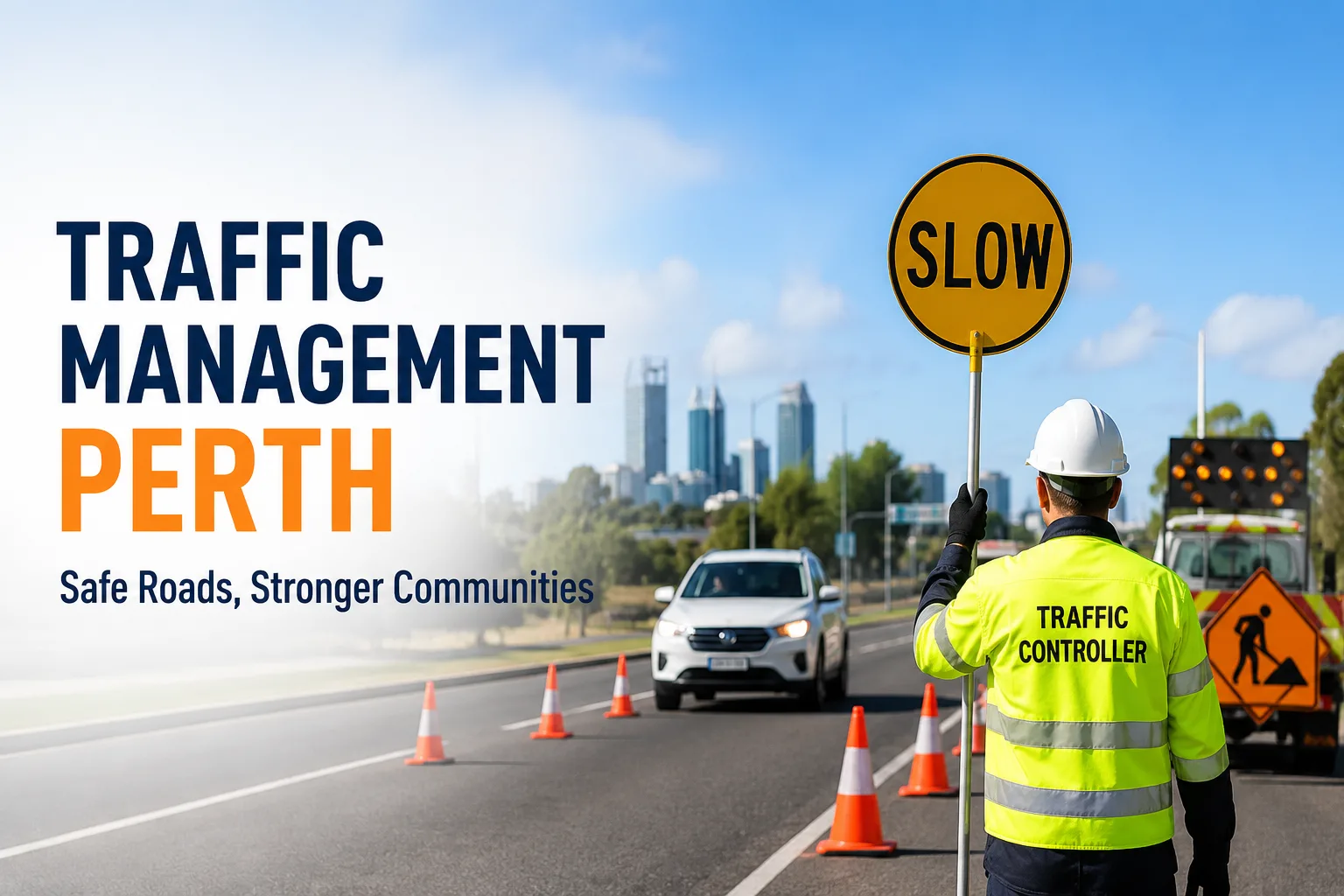
Roadworks, construction projects, and infrastructure upgrades are essential for growing communities, but they can create challenges for drivers, pedestrians, and workers. Temporary lane closures, changing road conditions, and increased vehicle movements can quickly lead to congestion if they are not managed properly. Effective traffic management helps keep these situations under control while supporting safer and more organised movement around work areas.
From small maintenance jobs to major construction projects, the right approach can make a noticeable difference. Careful planning, trained traffic controllers, and clear communication help businesses complete their work while reducing unnecessary disruption to the public.
Why Is Traffic Management Important?
When work takes place near a public road, safety needs to be considered before the first vehicle or piece of machinery arrives. Drivers need clear directions, pedestrians require safe access, and workers need suitable protection from moving traffic.
Without proper arrangements, even a short-term project can create confusion. Vehicles may approach restricted areas unexpectedly, queues may build up, and pedestrians may struggle to find a safe route.
A well-planned approach helps address these risks by identifying potential hazards and establishing suitable traffic arrangements before work begins. Depending on the project, this may involve temporary signage, traffic cones, barriers, lane restrictions, speed management, and trained personnel.
Good planning also helps contractors coordinate their activities more effectively. When everyone understands the traffic arrangements, it becomes easier to manage changing conditions and keep the project moving.
What Do Professional Traffic Management Solutions Include?
Every project has different requirements. A busy urban road, a construction site entrance, and a temporary utility repair each present their own challenges. Professional traffic management solutions should reflect the location, the type of work, and the potential risks to road users.
Common services and considerations include:
- Traffic management planning: Preparing suitable arrangements for vehicle movements, pedestrian access, and worksite safety.
- Traffic control personnel: Providing appropriately trained staff to manage traffic in accordance with the approved arrangements and their assigned duties.
- Temporary traffic control equipment: Using suitable signs, cones, barriers, and other devices to communicate changes to road users.
- Roadwork traffic coordination: Managing vehicle movements around maintenance, construction, and infrastructure projects.
- Pedestrian access management: Establishing clear and safe routes around temporary work areas.
Site assessments: Identifying hazards, access restrictions, traffic volumes, and other factors that may affect the work.
The exact requirements depend on the project and the applicable regulations, permits, and road authority conditions. Assessing these factors early helps businesses prepare a practical approach rather than relying on last-minute decisions.
How Better Planning Reduces Delays
Safety and efficiency should work together. While traffic arrangements must protect workers and the public, they should also consider how vehicles will move through the affected area.
For example, a construction project beside a busy road may require a temporary lane closure. If the closure is poorly planned, vehicles could form long queues during peak periods. However, reviewing traffic patterns, selecting suitable work times, providing clear signage, and coordinating the work can help reduce avoidable delays.
Communication is another important part of the process. Contractors, supervisors, traffic controllers, and relevant stakeholders need to understand their responsibilities and know how to report changing conditions.
Plans should also allow for unexpected situations, including equipment problems, adverse weather, emergency vehicle access, or changes to the work schedule. A prepared team can respond more effectively when conditions do not go as expected.
Choosing a Reliable Traffic Management Provider
Selecting the right provider is an important decision for construction businesses, local authorities, utility contractors, and event organisers. The quality of the planning and on-site coordination can directly affect how safely a project operates.
Before engaging a provider, consider its experience with similar projects, the qualifications and competencies of its personnel, its equipment capabilities, and its approach to safety. It is also worth discussing the project's location, duration, traffic conditions, and any specific approval requirements.
A reliable provider should be able to explain the proposed arrangements clearly and identify the information needed to prepare an appropriate plan. Pricing matters, but it should be considered alongside the quality and suitability of the service.
For projects in Perth and other parts of Western Australia, local road conditions and relevant authority requirements should be considered during the planning process.
Supporting Safer Projects Across Western Australia
Effective road safety depends on preparation, coordination, and people who understand the demands of working near moving traffic. From initial site assessments to on-site traffic control, each part of the process contributes to a safer and more organised work environment.
CRG Traffic Management provides traffic management services across Western Australia, supporting projects that require careful planning and practical traffic control arrangements. The focus is on safety, efficient project delivery, and minimising unnecessary disruption to road users and surrounding communities.
Whether you are preparing for road maintenance, construction, infrastructure upgrades, or another activity that affects public access, arranging suitable support early can help prevent problems later.
Visit CRG Traffic Management to explore available services and discuss your project's requirements.
A safer worksite starts with a clear plan, the right people, and traffic arrangements suited to the job.