
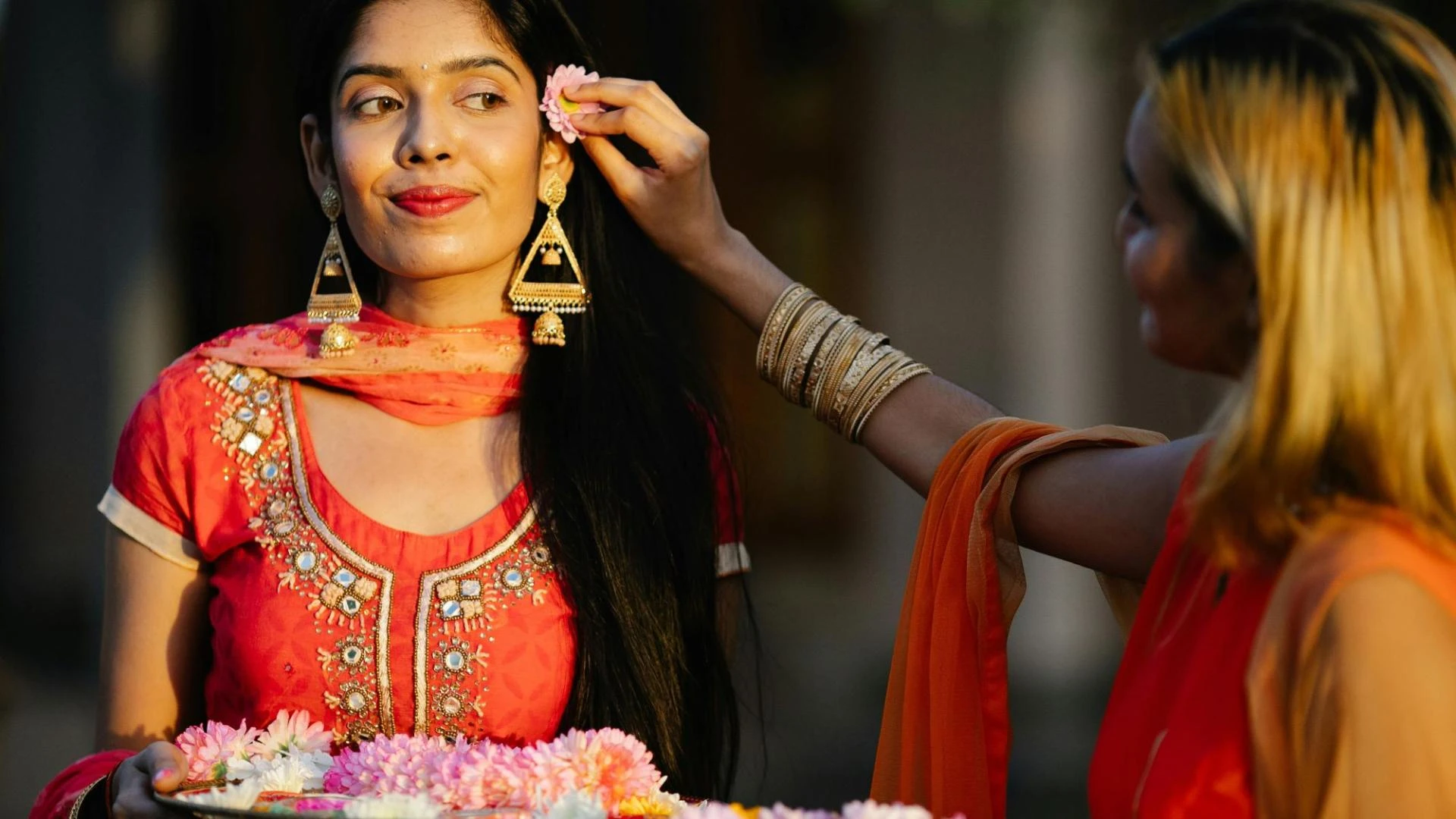
Indian outfits are not a mere dressing, but a way of life. They reflect history and ageless beauty and values. Each item of clothing has its story and a legacy which has been passed down from generation to generation. Indian dresses are characterised by rich materials, vivacious colours and elaborate embroidery. All women must own some ageless Indian dresses in their wardrobes. They go with all events, weddings, festivals, family get-together, and even modern celebrations.
It is appropriate that a lady’s closet should have a few classic Indian apparels. They are flexible for anything including marriage, festivals, family reunion and even in modern days’ celebrations. Whether you are in India or outside it, the conventional attire will make you relate to your roots as well as provide adequate space for you to explore your tastes in terms of your dressing. Irrespective of the home country you live in, be it India or any other, the traditional dresses will give you the opportunity to express yourself through the way you are dressed without distorting the attachment to your roots.
Saree:
The saree is the queen of Indian fashion. It is very versatile, elegant and of grace. Talking about the saree, it is worn all over in different forms but it is always in fashion. Depending on the place and the time, there are a dozen ways of draping it.
Although cotton or linen sarees are perfect for informal or workplace usage, silk sarees are perfect for wedding usage. A good saree chosen can change your entire look and metamorphose into a royalty immediately. Each woman is supposed to have at least one classical saree that enhances her self esteem and makes her beautiful.
Salwar Kameez:
The salwar kameez is one of the combinations, which marry ease with tradition. This is a set that is known for the following: pants (salwar), tunic top (kameez) and scarf to match (dupatta). This is an ensemble for everyday, job, or informal get-together.
There are several styles and materials of salwar kameez that are suitable for all ages and body shapes. For everyday use, you can wear it in a plain way; for an occasion of celebration you can decorate it with a lot of embroidery. Its simplicity and elegance is what has made it a part of many Indian outfits.
Lehenga Choli:
For marriages’ and formal events, the lehenga choli cannot be missed. This three-piece set consists of lehenga, of which choli, dupatta, and long skirt make up. In most cases, it is decorated by means of beads or sequins, or embroidered by hand.
There are light flowing variations which are used for pre-wedding ceremonies to strongly embellished wedding sets of Lehengas in many forms. In case you wear a lehenga you will become cheerful and shining. This is the perfect option when you want to be different and still follow Indian outfits’ tradition.
Anarkali Suit:
Adapted from Mughal style, Anarkali suit is a long, flowing dress, having leggings and dupatta ed to it. It is ideal for formals or for get-together with family as it is a combination of grace and glitz. All body types are flattered by Anarkali gowns, which also provide a regal profile.
Any event gains some elegance from the bold designs and dramatic flair. An Anarkali will help you to look and feel like a monarch at a wedding, Diwali celebration, or formal dinner. Having one or two chic Anarkalis will provide you with a ready-to-wear choice for major occasions.
Kurti with Palazzo or Skirt:
For a contemporary interpretation of custom, kurtis combined with palazzos or skirts have grown increasingly popular. This ensemble is cosy as well as classy. It can be used in brunch, work and even semi-formal occasions. Kurtis is usually the kind of apparel dress which ranges from being long or short and can be printed or embroidered and easily can be paired with different bottoms.
Long ethnic skirts add a little bit of boho glam, while palazzos add a free, flowing look. This mix is ideal for ladies who wish for something more casual and fashionable yet also love Indian outfits fashion.
Dupattas and Accessories:
Every traditional outfit is not finished until the amazing dupatta is picked. Dupatta can be used sheer, embroidered, or printed, and it will add grace to your appearance as well as movement. It can take a boring Indian outfit to a more festive and formal piece of clothing.
Besides dupatta, jewellery, bangles, bindis, and juttis(traditional shoes) add the complete glamour in Indian attire. These little details enable you to individualise your outfit and introduce your personal touch. Spending on a couple of versatile accessories ensure you are able to mix and match and come up with a new look every time.
Conclusion:
Every Indian woman should have a closet full of items honouring her culture. Besides making you seem gorgeous, traditional attire helps you feel tied to your roots. From a primal saree to a classy lehenga and to the convenient salwar kameez ensemble, each one has its place.
These apparels symbolise not only style but also more. They have memories, ideals, and pride. Having a small number of carefully selected traditional clothes guarantees you are ready for every event. Embrace the diversity of Indian outfits and let your closet speak a tale of elegance and legacy.