Introduction
Dental crowns are one of the most versatile restorative treatments in modern dentistry. They are designed to strengthen damaged teeth, restore chewing function, improve aesthetics, and protect natural tooth structure from further deterioration. Whether a tooth has been weakened by decay, fractured because of trauma, or affected by long-term wear, a crown can provide a reliable and long-lasting solution.
While dental crowns offer significant benefits, many patients are concerned about treatment expenses and often search for ways to reduce costs without sacrificing quality. The good news is that there are several practical strategies that can help patients save money while still receiving durable and effective dental care.
Individuals researching a dental crown clinic in Madhapur are often looking for trusted treatment options that combine affordability with high-quality care.
Receiving treatment from Srishti Dental can help patients understand their options and make informed decisions regarding their restorative treatment needs.
This article explains dental crowns, factors influencing treatment costs, and the most effective ways to save money while protecting long-term oral health.
Understanding Dental Crowns
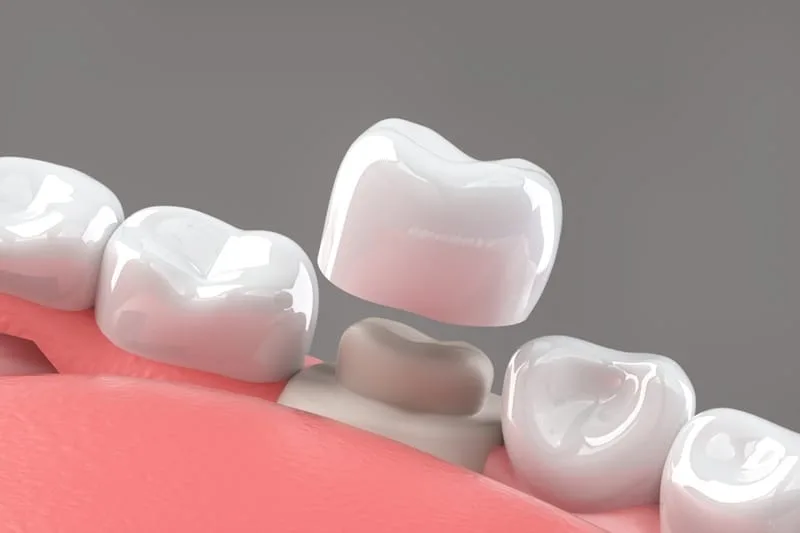
A dental crown is a custom-made restoration that completely covers the visible portion of a damaged tooth.
The primary purpose of a crown is to:
- Restore strength
- Improve appearance
- Protect weakened teeth
- Enhance chewing ability
- Preserve natural tooth structure
Because crowns are designed specifically for each patient, they provide both functional and cosmetic benefits.
Why Dental Crowns Are Commonly Recommended
Dental crowns are often used when a tooth requires additional protection beyond what a filling can provide.
Common reasons include:
Extensive Tooth Damage
Severely damaged teeth may require reinforcement.
Fractures and Cracks
Crowns help stabilize compromised tooth structure.
Cosmetic Restoration
They improve the appearance of damaged or misshapen teeth.
Structural Support
Crowns restore normal function and durability.
Long-Term Protection
The restoration helps shield vulnerable teeth from future damage.
Understanding Chipped Tooth Restoration
A common reason patients require crowns is chipped tooth restoration.
Even a small chip can compromise the integrity of a tooth.
Without treatment, a chipped tooth may become vulnerable to:
- Additional fractures
- Sensitivity
- Wear and tear
- Functional problems
A dental crown can help restore strength, improve appearance, and protect the remaining tooth structure from future damage.
Prompt treatment often prevents more extensive dental procedures later.
Factors That Influence Dental Crown Costs
Several variables contribute to treatment expenses.
Understanding these factors can help patients make informed decisions.
Extent of Tooth Damage
More complex cases may require additional restorative work.
Crown Material
Different materials vary in aesthetics, strength, and longevity.
Treatment Complexity
Advanced cases often require additional planning and precision.
Technology and Equipment
Modern diagnostic and fabrication technologies may influence overall costs.
Additional Procedures
Preparatory treatments may affect the final treatment fee.
Why Saving on Dental Crown Treatment Matters
Managing treatment costs helps patients receive necessary care without unnecessary financial stress.
Benefits of cost-conscious treatment planning include:
- Better access to restorative care
- Preservation of natural teeth
- Reduced future dental expenses
- Improved oral function
- Enhanced confidence
The goal should always be maximizing value rather than simply minimizing cost.
Top Ways to Save on Dental Crown Treatment
Patients can take several practical steps to reduce overall expenses.
Seek Treatment Early
One of the best ways to save money is by addressing dental issues before they worsen.
Early treatment may:
- Preserve tooth structure
- Reduce treatment complexity
- Prevent additional procedures
Waiting often leads to more extensive and expensive treatment.
Maintain Excellent Oral Hygiene
Preventive care remains one of the most effective ways to reduce future dental costs.
Essential habits include:
- Brushing twice daily
- Flossing regularly
- Using recommended oral care products
Healthy teeth require fewer restorative procedures over time.
Schedule Routine Dental Checkups
Regular examinations allow problems to be detected early.
Early intervention often reduces treatment costs and improves outcomes.
Protect Existing Restorations
Proper care extends the lifespan of crowns and other dental work.
Helpful habits include:
- Avoiding hard foods
- Not chewing ice
- Following professional recommendations
Long-lasting restorations provide greater financial value.
Focus on Quality and Longevity
Choosing durable treatment options often reduces future repair and replacement expenses.
A high-quality restoration can provide many years of reliable service.
Benefits of Dental Crowns
Dental crowns offer several important advantages.
Restored Tooth Strength
Crowns reinforce weakened teeth and improve durability.
Enhanced Appearance
They improve smile aesthetics and overall confidence.
Improved Function
Patients can chew and speak more comfortably.
Long-Term Protection
Crowns help prevent further deterioration.
Preservation of Natural Teeth
Protecting existing teeth often reduces the need for future replacement procedures.
Understanding the Treatment Process
Knowing how treatment works helps patients appreciate its value.
Initial Examination
The dentist evaluates the condition of the affected tooth.
Treatment Planning
A customized treatment plan is developed.
Tooth Preparation
The tooth is carefully prepared for crown placement.
Digital Scanning or Impressions
Precise measurements are taken for accurate crown fabrication.
Crown Manufacturing
The restoration is custom-designed according to patient requirements.
Final Placement
The completed crown is fitted and adjusted for comfort and function.
Common Mistakes That Increase Dental Expenses
Certain habits can result in higher long-term costs.
Delaying Treatment
Small problems often become more serious and expensive over time.
Ignoring Symptoms
Pain, sensitivity, or visible damage should be evaluated promptly.
Poor Oral Hygiene
Neglecting oral care increases the risk of future complications.
Missing Dental Appointments
Regular monitoring supports long-term treatment success.
How to Extend the Lifespan of a Dental Crown
Proper maintenance can help crowns remain functional for many years.
Practice Daily Oral Hygiene
Consistent brushing and flossing protect both natural teeth and restorations.
Attend Routine Dental Visits
Regular examinations help identify potential issues early.
Avoid Harmful Habits
Chewing hard objects may damage restorations.
Follow Professional Guidance
Dentist recommendations help maximize treatment longevity.
Choosing the Right Dental Provider
Selecting the right dental team is an important part of successful treatment.
A trusted dental crown clinic in Madhapur typically offers:
- Comprehensive evaluations
- Personalized treatment planning
- Modern technology
- Long-term patient support
Quality care often reduces the likelihood of future complications.
The Long-Term Financial Benefits of Dental Crowns
Although crowns require an initial investment, they often provide substantial long-term value.
Benefits include:
- Protection of natural teeth
- Reduced future treatment needs
- Improved oral function
- Greater overall stability
Preserving a natural tooth is often more cost-effective than replacing it later.
Why Preventive Dentistry Saves Money
Preventive care remains one of the most effective cost-saving strategies.
Benefits include:
- Early problem detection
- Reduced treatment complexity
- Better oral health outcomes
- Lower overall expenses
Patients who prioritize preventive care often require fewer extensive restorative procedures.
Why Patients Value Comprehensive Dental Care
Modern dentistry focuses on more than simply treating existing problems.
Comprehensive care aims to:
- Preserve natural teeth
- Improve function
- Enhance aesthetics
- Support long-term oral health
This approach often provides the greatest value for patients.
Conclusion
Dental crowns are a highly effective solution for restoring damaged teeth, improving oral function, and protecting long-term dental health. Although treatment costs are a concern for many patients, several strategies can help reduce expenses without compromising quality.
Individuals searching for a dental crown clinic in Madhapur should focus on both affordability and long-term value. Early intervention, preventive care, and proper maintenance can significantly reduce future dental expenses.
For patients requiring chipped tooth restoration, timely treatment can prevent further damage, improve appearance, and restore normal tooth function.
Receiving care from Srishti Dental provides access to personalized treatment planning, comprehensive restorative solutions, and professional guidance designed to support long-term oral health and treatment success.
Frequently Asked Questions
How long do dental crowns typically last?
The lifespan depends on oral hygiene, maintenance, and individual habits.
Can a chipped tooth always be restored with a crown?
Treatment recommendations depend on the severity and location of the damage.
Is a dental crown a permanent solution?
Crowns are designed to be long-lasting but may eventually require replacement.
How can I reduce future dental treatment costs?
Preventive care and early treatment are among the most effective strategies.
Why is prompt treatment important for chipped teeth?
Early restoration helps prevent further damage and protects the remaining tooth structure.
Source: Ekonty.com