
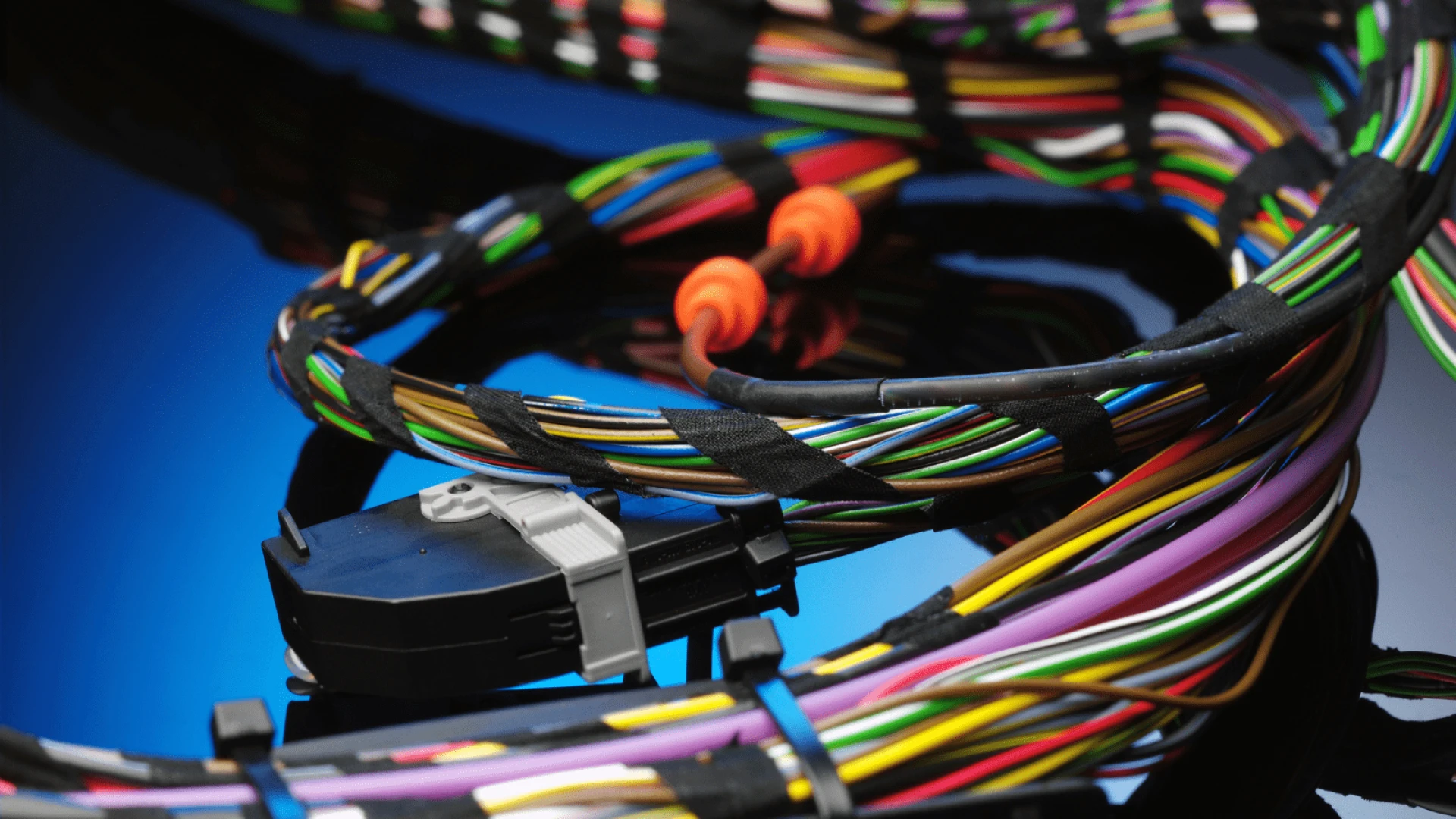
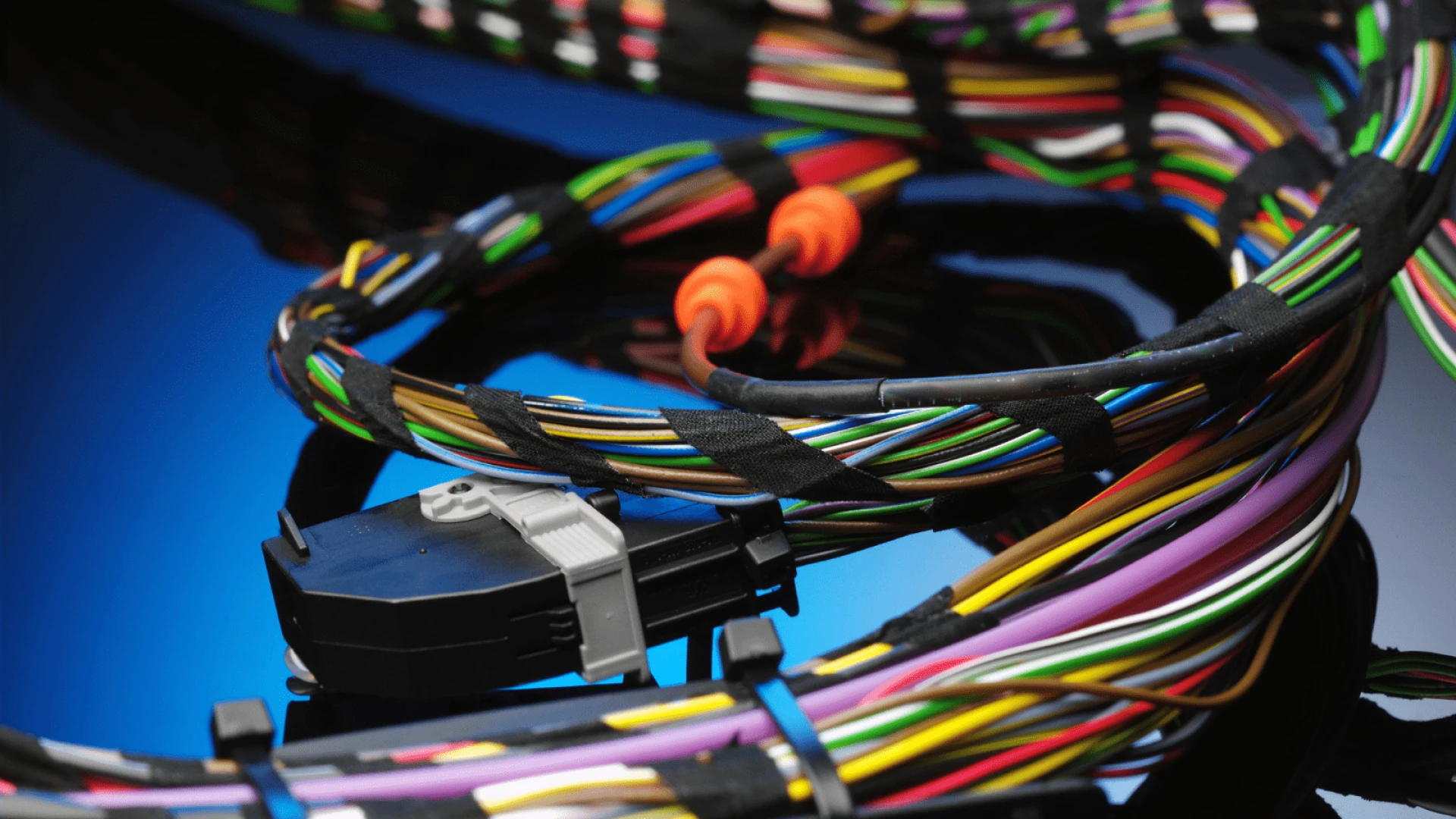
Walk through any modern vehicle plant today, and you will see automation, precision, and speed. What you will not always see is the one system quietly holding everything together. Wiring.
Behind every working sensor, every battery module, and every safety system sits a network of wires that has to perform the same way, every single time. One weak connection can slow production. One inconsistent cable batch can lead to recalls, warranty claims, or damage to reputation.
That is why automotive OEMs are changing how they choose wiring suppliers. Price alone is no longer enough. Reliability, repeatability, and long-term capability now matter more. This shift has placed OEM approved wiring manufacturers at the center of automotive decision-making, especially as India prepares for the next phase of growth in 2026.
This article explores why OEM approval matters, how India fits into the global picture, and what OEMs should look for when evaluating manufacturers of OEM wiring and long-term cable solutions partners.
Why OEM approval matters more than ever
What OEM approval really means
OEM approval is not a formality. It is a process that takes time and discipline. Automotive OEMs test wiring suppliers across multiple areas before approval. Materials are checked.
Manufacturing processes are reviewed. Samples are tested again and again.
For OEM wiring, approval also means traceability. OEMs want to know where materials come from, how they are processed, and how quality is maintained over time. This ensures the same performance in early builds and full production.
Approval is less about paperwork and more about consistency.
The risk of getting wiring wrong
Electrical systems have emerged as one of the most common causes of vehicle recalls globally. Recent analyses show that electrical failures account for nearly one-quarter of vehicle recalls, with many issues being traced back to wiring harnesses and connectors. For OEMs, this is not a theoretical concern. It affects brand credibility and long-term cost.
This is where OEM-approved wiring harness manufacturers become critical. Their role is not limited to supplying cables, but to reducing systemic and long-term risk across vehicle platforms.
How OEMs evaluate wiring partners
Approval decisions are not based only on cost and pricing. OEMs evaluate testing capability, process control, scalability, and long-term support. OEM-approved wiring manufacturers earn trust by delivering consistent quality year after year, not just during initial validation.
That focus on consistency sets the stage for a deeper question. Why is India becoming a preferred location for such high-stakes manufacturing?
India’s growing role in OEM wiring manufacturing
India’s position in the global automotive market
India now ranks among the world’s top three motor vehicle producers and is one of the top two markets by vehicle sales. This scale has made India an essential part of global automotive supply chains.
As production volumes grow, so does the demand for reliable OEM wiring that meets international standards.
Automotive components and long-term growth
India’s automotive component industry is currently valued between USD 60 and 75 billion. Under the Automotive Mission Plan, the sector was earlier targeted to reach around USD 200 billion by 2026, driven by OEM demand and exports.
While the target reflects ambition, the more meaningful shift is capability. Indian Manufacturers of OEM wiring are investing in better testing, stronger quality systems, and process automation to meet OEM expectations.
Preparing for electric and hybrid platforms
Electrification has changed wiring requirements dramatically. EVs typically require significantly higher wiring and cabling content than comparable ICE vehicles due to high-voltage systems, battery packs, and power electronics. Engineering analyses indicate that EVs can require up to 2 to 3 times more wiring content, depending on architecture.
This shift has pushed Indian OEM-approved wiring manufacturers to innovate faster, especially in insulation performance, thermal resistance, and long-term durability.
As complexity rises, the question becomes more specific. What exactly do OEMs look for in an approved wiring partner?
What OEMs look for in OEM-approved wiring manufacturers
Performance in real conditions
OEMs do not rely only on datasheets. They look at how wiring performs in real environments. Heat. Vibration. Tight routing. Long operating hours.
OEM wiring must remain stable in all these conditions without failure.
Compliance that supports consistency
Most global automotive OEMs expect suppliers to follow IATF 16949. This standard helps ensure wiring is made the same way every time. This includes documented quality systems, preventive controls, and continuous improvement.
For OEM-approved wiring manufacturers, compliance is not something checked once a year. Quality systems, documentation, and preventive controls are part of daily operations.
Reliability at scale
Vehicle platforms run for many years. OEMs need suppliers who can support volume growth, design changes, and regional expansion without quality variation.
This is where long-term partners stand apart from short-term vendors.
Where OEM-approved wiring makes the biggest impact
Powertrain and battery systems
High temperatures and high current loads place heavy demands on wiring. In EVs, battery systems add another layer of complexity.
Here, OEM wiring plays a direct role in safety and performance.
Body electronics and safety systems
Lighting, infotainment, sensors, and safety features rely on clean signals. Even small wiring issues can disrupt system behavior.
This is why OEMs depend on OEM-approved wiring harness manufacturers for these applications.
EV and future mobility platforms
EV platforms require cable solutions that manage heat, reduce electrical interference, and fit into compact spaces. As vehicles integrate more electronics and become more software-driven, wiring quality directly affects the experience of the customer.
At this point, supplier selection becomes a strategic decision.
Choosing the right wiring partner for 2026
What OEMs should be asking.
Can the supplier support future vehicle platforms?
Do they invest in testing and improvement?
Can they scale without compromising quality?
These questions help identify partners, not just suppliers.
Why partnerships outperform short-term sourcing
Long-term collaboration allows early involvement in design. Thus allowing for faster problem resolution and lower lifecycle costs. OEMs who treat wiring suppliers as partners see fewer disruptions over time.
For Manufacturers of OEM wiring, this partnership model enables continuous improvement aligned with OEM goals.
Aligning wiring strategy with future platforms
OEMs planning for EV expansion and export markets need wiring suppliers and partners who can meet evolving regulations and performance benchmarks. Choosing an OEM-approved wiring manufacturer today helps ensure stable platforms tomorrow.
Key takeaways for automotive OEMs
- Choose OEM-approved wiring manufacturers with proven validation experience
- Treat wiring as a critical system, not a commodity
- Prioritize consistency and scalability over short-term cost
- Align wiring partners with EV and export plans
- Look for application-specific cable solutions
Wiring as a long-term advantage
Modern vehicles depend on systems that work quietly and reliably. Wiring is one of those systems. As vehicles become more electric and more connected, the importance of OEM wiring will only grow.
OEMs that succeed in the coming years will be those who choose the right partners early and build for consistency, not correction.
The real question is simple. Is your wiring strategy built for today, or for what comes next?