Why We Keep Coming Back for More
There’s a peculiar thrill in picking up a game that actively wants to break you. It’s the digital equivalent of climbing Everest in sneakers: you know the odds are stacked against you, and yet something in your gamer DNA whispers, “One more try.” This post dives headfirst into that delicious agony, assembling the definitive list of the hardest games ever shipped to stores or beamed straight to our dashboards.
But first, let’s be clear: difficulty isn’t measured only by death screens. It’s the perfect storm of enemy placement, level design, resource scarcity, and, yes, the sheer audacity of the developers. While 2025 is flooding us with accessibility toggles and story-mode sliders, a dedicated cult still craves controller-snapping challenges, often drawn in by the intense atmosphere and striking visuals crafted through expert video game concept art services.
Methodology
Before the ranking carnage begins, you deserve transparency. We evaluated titles on a five-point Pain Meter, weighing
- Learning Cliff: How steep is the onboarding curve, or is there none at all?
- Mechanical Precision: Do you need surgeon-like timing or pixel-perfect inputs?
- Penalty Severity: How punishing are mistakes? Think lost progress, scarce checkpoints, or permadeath.
- Adaptive Obstacles: Does the game actively counter your strategies, scaling the pain as you improve?
- Cultural Legacy: Has the community immortalized the title as a rite of passage?
We interviewed speed runners, dissected patch notes, and performed good old-fashioned rage-testing. Then we ranked the contenders from “controller-toss tough” to “legendary pain.” Ready? Let’s dive in.
A Cartoon Crash Course in Misery
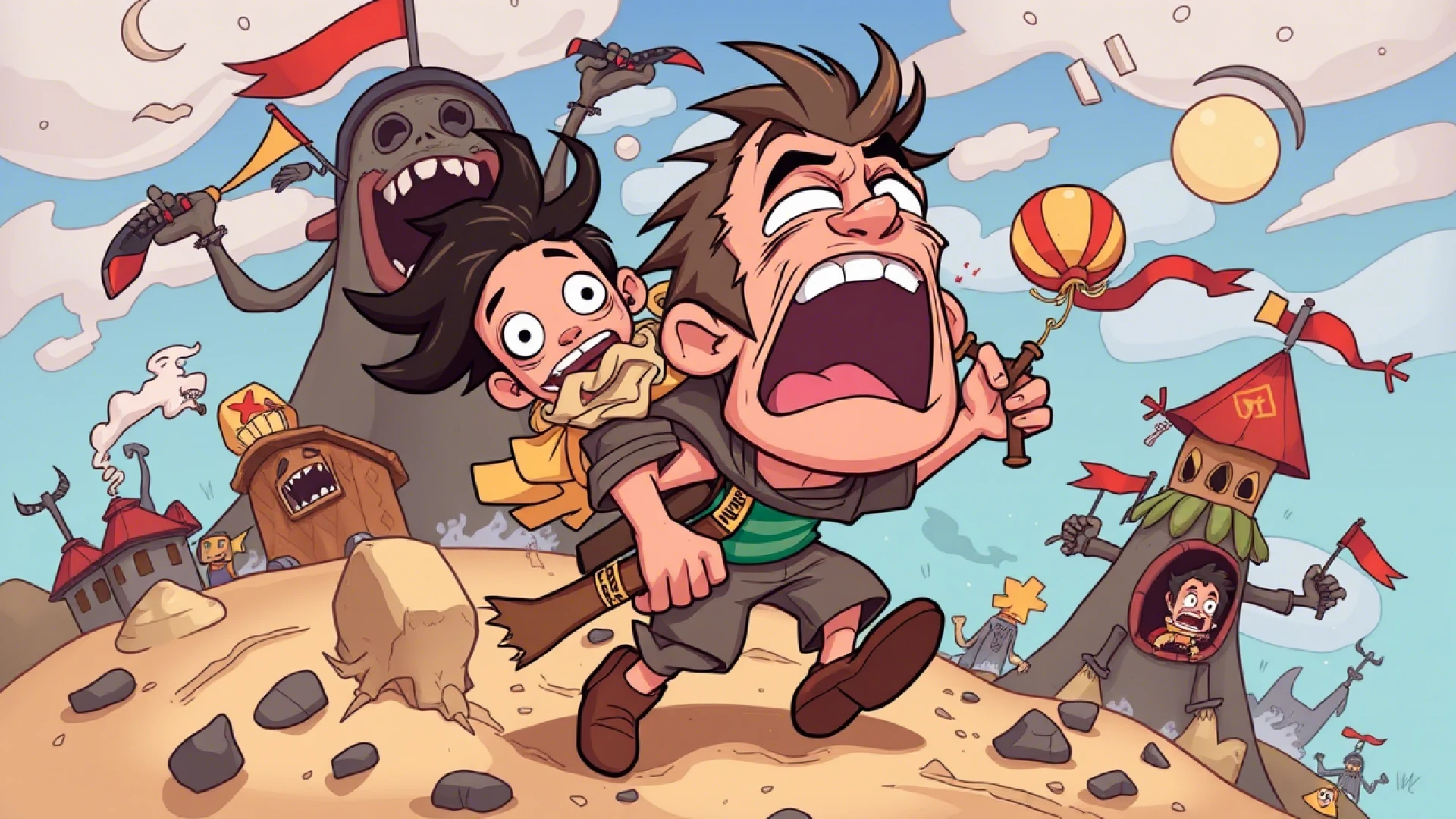
Painted perils in 60 FPS: Don’t let Cup head’s 1930s rubber-hose animation fool you. Underneath the Technicolor veneer lurks a symphony of boss patterns that demand frame-perfect dodges and relentless focus.
Consequently, every missed parry feels like a sucker punch from a smiling flower. Still, Cuphead dangles that sweet allure of “one more quick run” thanks to rapid restarts and banger music. The pain is real, but so is the grin you wear when that S-rank finally pops.
A Mashed-Up Marathon of Micro-deaths
Pixel precision on speed dial: Team Meat’s breakout hit turned wall-jumping into performance art. Each micro-stage is a sawblade gauntlet where deaths rack up in triple digits.
Yet the respawn is instant, and your ghostly replays form a ballet of failure that teaches through repetition. By the time you reach The End in Dark World mode, your muscle memory could do your taxes if it wasn’t busy wall-splattering.
Mindfulness Meets Madness
Climb a metaphor and a mountain: Celeste’s narrative preaches self-compassion, but its optional B-Sides and C-Sides laugh at the notion. Here, feather mechanics and boost jumps demand pixel-perfect chaining, with spikes thirsty for your every stumble.
The brilliance is in its teachable design. Each screen is a bite-sized problem; the solution is visible, the execution brutal. Make it through, and you internalize the game’s core mantra: “You can do this.” Painful? Absolutely. Empowering? Without question.
Shadows Die Twice
The art of deflection: From Software ditched stamina management for pure poise breaking, forcing players to master rhythmic parries. No grinding easy levels to over-level here—your skill is the only currency.
Bosses like Junichiro Ashine exist to expose sloppy timing. Miss a mikiri counter and get impaled; nail it and feel like a shinobi god. It’s an emotional rollercoaster that pushes reflexes and resolve to their limit.
Git Gud, Then Git Wrecked Again
Prepare to diet (your character will starve on souls): The original 2011 Dark Souls redefined fair brutality, teaching players to read enemy tells, manage stamina, and respect every corridor. Sequels added complexity: poisonous swamps, cruel lighting, and foe ambushes that made veterans yelp.
What elevates the trilogy’s pain is its environmental storytelling, even checkpoints (bonfires) are hard-earned lore landmarks. For masochists chasing Top Hardest Games 2025 bragging rights, low-level no-shield runs are still the litmus test of skill.
Elden Ring & Shadow of the Erdtree
Freedom cuts both ways: Elden Ring seduced millions with exploration, only to unleash demigods like Malenia, an optional boss who heals when she hits you. Players begged for mercy; From Software doubled down with the 2025 mega-expansion Shadow of the Erdtree, stacking late-game encounters that dwarf base-game bosses.
The genius? You can always wander elsewhere to grind runes or find ashes. Yet pride whispers, “Face her now.” Many do and post their 187th defeat montage on TikTok, adding to the legend.
The Eight-Bit Boot Camp
Old-school cruelty, zero checkpoints: The 1988 NES classic pioneered enemy respawns so aggressive they feel sadistic even decades later. Miss a jump, get bounced by a hawk, restart the stage. Graduates moved on to Ninja Gaiden Sigma (PS3), where stylish combos met lightning-fast AI counters.
Both games demand memorization and razor focus. Modern patch notes can’t nerf nostalgia; the pain remains pristine.
Battle toads Turbo Tunnel
Two minutes, infinite heartbreak: Plenty of Battle toads stages hurt, but the Turbo Tunnel owns a special circle of gamer hell. The screen scrolls so fast your brain can’t parse obstacles until muscle memory kicks in.
Decades later, it’s still referenced whenever a studio teases a “retro difficulty mode.” If you can clear it on real hardware, add “reflex deity” to your résumé.
Fan-Made, Rage-Made
Troll design distilled: IWBTG is a freeware platformer that weaponizes unpredictability. Apples fall upwards, checkpoints vanish, and Mario pipes shoot instant-kill bullets. It parodies Nintendo classics while dialing the cruelty to eleven.
Streaming culture turned IWBTG into a badge of honor; complete it, and you gain instant street cred on any speed running forum. The pain here feels personal because it is.
Ghosts ’n Goblins (Arcade & Resurrection)
Finish once? Do it again harder. Capcom’s 1985 cabinet remains the yardstick of arcade ruthlessness. Sir Arthur’s armor shatters in one hit, and the ending forces a second playthrough with ramped-up difficulty.
The 2021 Resurrection remake casually asked newcomers to relive the torment then added “Legend” mode, where checkpoints vanish. Perfect runs require monk-like discipline; even a flicker of distraction means instant armor-less humiliation.
Honorable Mentions
- Getting Over It with Bennett Foddy: An allegory for frustration wrapped in a sledgehammer.
- F-Zero GX: Because 1,200 km/h cornering on razor-thin tracks wasn’t stressful enough.
- Into the Breach: Chess meets kaiju, with every move a potential timeline collapse.
These titles narrowly missed the Pain Meter top ten, but each still deserves a spot on your suffering backlog.
The Future of Difficulty
Two trends define modern difficulty: granular assist toggles and community-driven challenges. Studios like House marque add in-depth accessibility, letting newcomers sample bullet hell while veterans chase no-hit leaderboards. Meanwhile, madders create “Kaizo” patches that turn already-hard games into fever dreams of spikes and frame-perfect jumps.
Expect 2025’s roguelike revival to introduce adaptive AI that studies your habits, ensuring every run feels fresh and punishingly fair. If you’re scouting the Top Hardest Games 2025, keep an eye on indie showcases; small teams often craft the fiercest tests.
Surviving the Pain with Your Hardware Intact
Pain is mental; controllers are physical. Invest in a grippy pad, enable rubber thumb-stick covers, and map rage-quit macros far from your reset button. Experienced masochists swear by slow, deep breathing during death loops seriously, it lowers cortisol.
And remember: no matter how savage the boss, there’s no shame in a break. Hydrate, stretch, and revisit the fight with fresh nerves. Your save file and furniture will thank you.
Conclusion
The games above aren’t just difficult; they’re rites of passage. Beating even one imprints a story you’ll retell at LAN parties for years. They forge patience, sharpen reflexes, and remind us why interactive media thrills like no other art form.
So pick your poison, queue up your death montage, and let the Pain Meter guide you. Just keep an ice pack handy for those inevitable thumb cramps.