
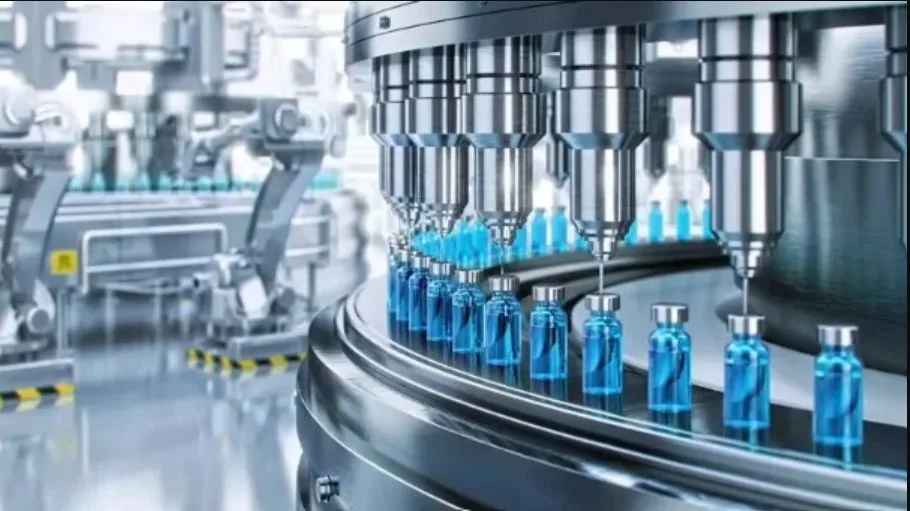
The pharmaceutical industry depends on reliable manufacturing partners to transform drug-development concepts into commercially viable products. From developing active pharmaceutical ingredients (APIs) to manufacturing advanced intermediates, outsourcing partners help pharmaceutical companies access specialised expertise, production infrastructure and process-development capabilities without investing in every stage internally.
India has become an important destination for pharmaceutical contract development and manufacturing because of its scientific talent, established chemical manufacturing ecosystem and experience serving international markets. However, choosing a suitable partner requires more than comparing production capacity or pricing. Companies must assess technical capabilities, regulatory compliance, quality systems, confidentiality and long-term supply reliability.
For businesses evaluating the top cdmo pharma companies, understanding these factors provides a practical starting point for identifying a partner that aligns with their molecule, development stage and commercial objectives.
What Is a CDMO in the Pharmaceutical Industry?
A Contract Development and Manufacturing Organisation (CDMO) supports pharmaceutical companies with product and process development, manufacturing, or both. Depending on its capabilities, a CDMO may help with laboratory-scale synthesis, route optimisation, analytical method development, pilot batches, process validation and commercial production.
A Contract Manufacturing Organisation (CMO), in comparison, generally focuses on manufacturing products or intermediates according to a client's specifications. Some organisations offer both services, enabling clients to work with one partner from early process development through commercial supply.
CDMOs may specialise in small-molecule APIs, pharmaceutical intermediates, finished formulations, biologics or complex chemical synthesis. Understanding these distinctions is essential because a company with strong tablet-manufacturing capabilities may not necessarily have the equipment or expertise required for a complex multi-step chemical process.
Key Factors to Consider When Comparing Pharmaceutical CDMOs
1. Technical Expertise and Chemistry Capabilities
The first consideration is whether a potential partner has experience with the chemistry, molecule and manufacturing process involved in a project. Different molecules may require specialised reactions, controlled operating conditions, advanced analytical methods or dedicated containment systems.
Companies should assess the CDMO's experience in route scouting, reaction optimisation, impurity control, process development and scale-up. Reviewing previous projects involving comparable chemistries can help establish whether the organisation understands the technical challenges associated with the proposed process.
2. Quality Systems and Regulatory Compliance
Pharmaceutical manufacturing requires robust quality management throughout development and production. Buyers should evaluate the supplier's quality assurance procedures, documentation practices, deviation management, change control, traceability and batch-release processes.
Regulatory requirements depend on the product, manufacturing activity and intended market. Relevant certifications and approvals should therefore be verified directly, including their scope, validity and applicability to the specific facility. Organisations manufacturing pharmaceutical chemicals should also demonstrate appropriate controls for raw materials, process parameters, impurities and product specifications.
A structured supplier audit can help identify gaps before a commercial agreement is signed.
3. Manufacturing Infrastructure and Scalability
A process that works in a laboratory may behave differently when transferred to a pilot plant or commercial facility. Equipment geometry, heat transfer, mixing, reaction kinetics and waste handling can affect product quality and manufacturing efficiency during scale-up.
Businesses should examine whether a potential partner can support the required production volumes and accommodate future demand. It is also important to evaluate equipment availability, maintenance procedures, process-safety infrastructure and the ability to manage hazardous reactions.
Scalability should be demonstrated through technical assessments and appropriate validation activities rather than assumed from the size of a facility alone.
4. Intellectual Property Protection and Confidentiality
Pharmaceutical innovation often involves valuable process knowledge, proprietary intermediates and confidential technical documentation. A manufacturing partner must protect this information throughout development, production and commercial collaboration.
Before transferring sensitive information, companies should establish suitable confidentiality agreements, define ownership of background and newly developed intellectual property, and clarify restrictions on using or sharing project information.
Dedicated manufacturing arrangements may be appropriate when exclusivity, product separation or long-term supply security is particularly important. The contract should specify the practical scope of exclusivity, including the relevant molecule, territory, duration and permitted activities.
5. Supply Reliability and Commercial Transparency
Manufacturing performance affects inventory planning, regulatory commitments and product availability. Buyers should review a supplier's production planning, raw-material sourcing, contingency arrangements, lead times and communication processes.
Commercial discussions should cover development costs, batch pricing, minimum order quantities, payment terms, technology-transfer expenses and the allocation of costs arising from process changes. Clear agreements reduce uncertainty and make it easier to assess the total cost of ownership rather than focusing exclusively on the initial quotation.

Examples of Established Companies in India's CDMO Ecosystem
India has several organisations operating across different areas of pharmaceutical development and manufacturing. The following examples illustrate the diversity of the market; they are not presented as a definitive ranking, and capabilities should be checked against each project's requirements.
- Syngene International: Provides integrated research, development and manufacturing services across small molecules and biologics.
- Divi's Laboratories: Known for active pharmaceutical ingredients and custom synthesis, including work for pharmaceutical innovators.
- Piramal Pharma Solutions: Offers contract development and manufacturing services across multiple drug-development and manufacturing stages.
- Sai Life Sciences: Supports pharmaceutical research, process development and manufacturing programmes.
- Laurus Labs: Operates in APIs and formulations and has capabilities relevant to pharmaceutical manufacturing and development.
- Neuland Laboratories: Focuses on APIs, custom manufacturing and specialised chemistry.
- Akums Drugs and Pharmaceuticals: Provides contract manufacturing services, particularly in pharmaceutical formulations.
The right choice depends on the project rather than a company's position on a generic list. A business seeking complex chemical intermediates may require a different partner from one outsourcing finished tablets, sterile injectables or biologics.
Why Chemical Manufacturing Expertise Matters
Pharmaceutical supply chains depend on more than the final drug product. Key starting materials (KSMs), advanced intermediates and APIs must meet defined specifications and be manufactured through controlled, repeatable processes. Weaknesses at any stage can affect downstream quality, costs and supply continuity.
When assessing a chemical manufacturer in india, pharmaceutical companies should examine its experience with relevant reaction types, impurity profiles, process safety and scale-up. They should also consider the organisation's ability to maintain consistent quality across batches and manage changes in raw-material sources or production conditions.
Specialised chemical manufacturers may provide valuable expertise in multi-step synthesis, process intensification, hazardous chemistry and waste reduction. These capabilities can help businesses address technical challenges while improving manufacturing efficiency, provided the proposed process is properly assessed and validated.
How to Select the Right CDMO Partner
The selection process should begin with a clear technical brief covering the molecule, required specifications, expected volumes, development timeline and target markets. Companies can then shortlist suppliers whose documented capabilities align with these requirements.
A structured assessment should include a technical review, quality-system evaluation, facility audit where appropriate, supply-chain risk assessment and commercial comparison. It should also define responsibilities for technology transfer, analytical testing, deviations, documentation, intellectual property and ongoing process improvements.
Conclusion
Selecting a pharmaceutical manufacturing partner is a strategic decision that can influence product quality, development timelines, operational costs and long-term supply security. The most suitable CDMO is not necessarily the largest organisation or the lowest-cost provider; it is the one whose technical capabilities, quality systems, infrastructure and commercial approach match the project's needs.
Inventys offers contract development, contract manufacturing and process development services for pharmaceutical chemicals, including key starting materials, advanced intermediates and APIs.