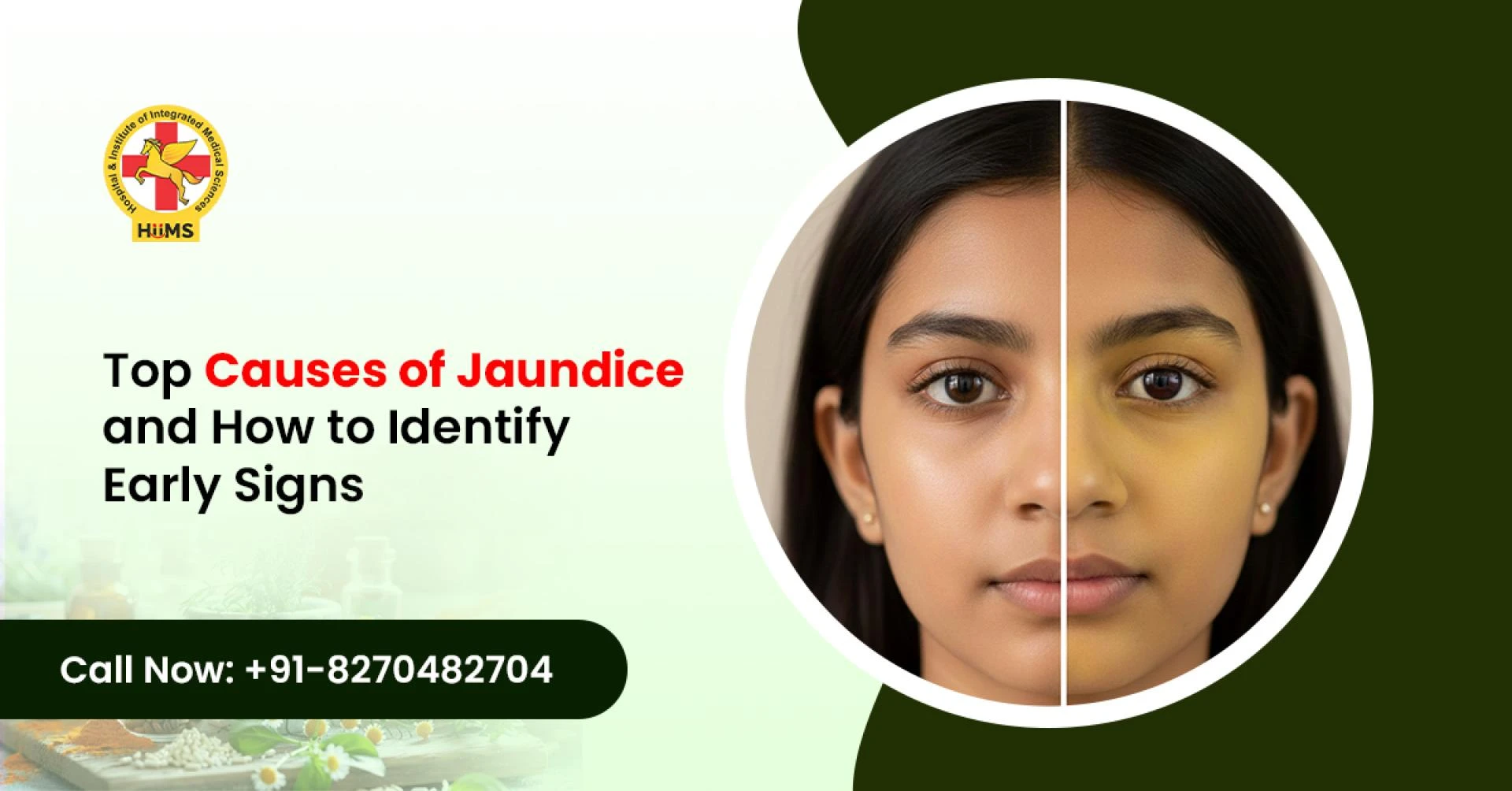
Jaundice is a commonly seen health condition that can affect people of all age groups, including children, adults, and older individuals. It is important to understand that jaundice itself is not a disease but a warning sign indicating that something inside the body—most often the liver—is not functioning properly. When the liver becomes weak or overloaded, a yellow pigment called bilirubin begins to accumulate in the bloodstream. As a result, the skin and the white part of the eyes gradually turn yellow.
Many people tend to ignore these early changes, assuming they are caused by fatigue or stress. However, recognizing the top causes of jaundice at an early stage can help prevent serious health complications. In Ayurveda, jaundice is associated with an imbalance in Pitta dosha, which affects liver function and blood purification. At Jeena Sikho HiiMS, the focus is on identifying the root cause rather than only managing symptoms. Through diet correction, herbal support, and lifestyle changes, the condition can often be managed in a natural and supportive way.
Let us understand what causes jaundice and how early signs can be identified.
What Is Jaundice, and Why Does It Happen?
Jaundice develops when bilirubin levels increase in the blood. Bilirubin is produced when old red blood cells naturally break down. Under normal circumstances, the liver processes this substance and removes it through urine and stool.
When the liver becomes inflamed, infected, or stressed, this process slows down. Bilirubin then remains in the bloodstream, leading to yellow discoloration of the skin and eyes.
People often wonder what causes jaundice in the early stages. In most cases, it is linked to liver infections, bile duct obstruction, or liver damage caused by unhealthy habits or certain medications. Understanding the causes of jaundice helps in timely diagnosis and proper care.
Top Causes of Jaundice and How to Identify Early Signs
The factors of jaundice can vary from person to person. Age, immunity, lifestyle, and overall health all influence why jaundice occurs. Below are some of the common causes and the early warning signs associated with them.
1. Liver Infections (Hepatitis)
One of the most common answers to what causes jaundice is hepatitis, a viral infection that causes inflammation of the liver. When the liver is inflamed, it struggles to process bilirubin efficiently.
Early signs include:
- Yellowing of the eyes
- Loss of appetite
- Mild fever
- Persistent tiredness
These jaundice symptoms may appear mild initially but should never be ignored.
2. Excess Alcohol Consumption
Regular or excessive alcohol intake gradually damages liver cells. Over time, the liver becomes less capable of removing toxins and processing bilirubin.
Early signs are:
- Nausea
- Weakness
- Pain in the upper right abdomen
- Dark-colored urine
These are common jaundice symptoms that many people overlook until the condition progresses.
3. Gallstones or Bile Duct Blockage
Gallstones can sometimes block the bile ducts, preventing bile from flowing properly. This leads to a buildup of bilirubin in the blood.
Early signs may include:
- Yellow skin
- Pale-colored stool
- Itching
- Sharp abdominal pain
Such blockages are significant causes of jaundice and require timely medical attention.
4. Hemolytic Disorders
Certain medical conditions cause red blood cells to break down faster than normal. This produces more bilirubin than the liver can process.
Early signs include:
- Pale skin
- Rapid heartbeat
- Weakness
- Slight yellowing of the eyes
Understanding these factors of jaundice helps in selecting appropriate treatment and care.
5. Poor Lifestyle and Unhealthy Eating
Lifestyle habits play an important role in liver health. Excess consumption of oily, spicy, or processed food, irregular sleep patterns, and high stress levels can disturb digestion and weaken liver function. According to Ayurveda, these factors increase Pitta dosha and contribute to liver imbalance.
Early signs can include:
- Bitter taste in the mouth
- Reduced appetite
- Mild fatigue
- Slight yellow discoloration of the eyes
These early signs are often ignored but should be taken seriously.
Common Jaundice Symptoms You Should Not Ignore
Regardless of the underlying cause, certain symptoms are commonly observed in most cases of jaundice:
- Yellowing of skin and eyes
- Dark urine
- Light-colored stools
- Weakness and fatigue
- Nausea
If these symptoms appear, seeking medical advice early can make jaundice treatment more effective and help prevent further liver complications.
Ayurvedic Approach to Jaundice Treatment
While modern medicine focuses on treating the underlying cause, Ayurveda aims to restore internal balance and strengthen liver function naturally. The approach emphasizes improving digestion, supporting detoxification, and balancing doshas.
Herbs such as katuki, giloy, and kalmegh are traditionally used to support liver health and blood purification. A light and easily digestible diet, fresh fruits, coconut water, and herbal drinks are commonly recommended.
The goal of jaundice treatment in Ayurveda is not only to reduce visible symptoms but also to correct internal imbalance so that the condition does not recur. In some cases, detoxification procedures may be suggested to support natural cleansing.
When Should You Seek Medical Help?
Jaundice should never be ignored or delayed. If yellowing increases, fever persists, or severe abdominal pain develops, immediate medical consultation is necessary. Early evaluation helps identify the exact cause and allows timely management before complications arise.
Conclusion
Jaundice serves as an important signal that the liver requires attention. Understanding the causes of jaundice and recognizing early symptoms can help prevent serious health issues. Signs such as yellow eyes, dark urine, and continuous fatigue should always be taken seriously.
Recovery from jaundice becomes easier with proper medical guidance, balanced nutrition, and supportive natural care. Ayurveda focuses on correcting internal imbalances and strengthening the liver for long-term wellness. Early action plays a key role in maintaining healthy liver function and overall well-being.
FAQs
1. What is jaundice?
It is a condition in which the skin and eyes turn yellow due to increased bilirubin levels in the blood.
2. What causes jaundice?
Common causes include hepatitis, gallstones, alcohol-related liver damage, hemolytic disorders, and unhealthy lifestyle habits.
3. What are the early signs of jaundice?
Yellowing of the eyes or skin, dark urine, pale stools, weakness, and mild fever.
4. Is jaundice a disease?
No, it is a symptom that indicates an underlying liver or bile duct issue.
5. How does alcohol affect jaundice?
Alcohol weakens liver function and reduces its ability to process bilirubin effectively.