
Introduction
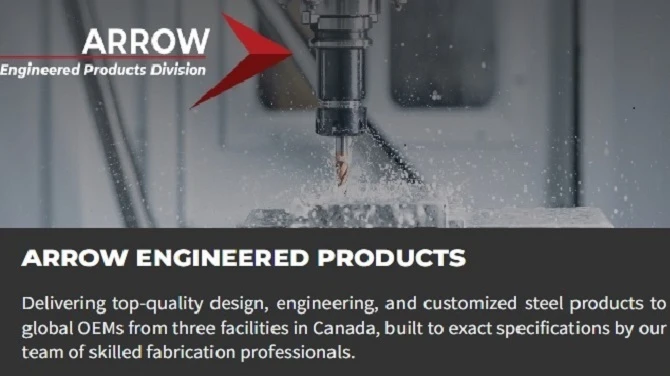
In modern OEM (Original Equipment Manufacturer) industries, selecting reliable components is essential for ensuring product performance, consistency, and long-term value. Arrow Manufacturing Products are widely recognized for their precision engineering and adaptability across various industrial applications. Similarly, Arrow Metal Products play a crucial role in delivering durable metal components that meet strict manufacturing standards. Together, these solutions support OEM projects by enhancing efficiency, reducing downtime, and improving overall production quality. These solutions are increasingly preferred by OEM engineers seeking dependable sourcing partners and streamlined production workflows. Their integration into manufacturing ecosystems ensures smoother coordination between design and production stages. This combination ultimately helps manufacturers reduce costs while maintaining high-quality output across complex production requirements.
Key Advantages for OEM Projects
One of the primary advantages of integrating Arrow Manufacturing Products into OEM projects is their consistent quality control and scalable production capabilities. These products are engineered to meet diverse industry requirements, making them suitable for automotive, electronics, and heavy machinery sectors. Manufacturers benefit from reduced error rates, improved assembly line efficiency, and greater design flexibility. Additionally, the standardized processes ensure compatibility across multiple OEM systems, which helps streamline procurement and inventory management. By leveraging advanced manufacturing techniques, companies can maintain cost efficiency without compromising performance. The reliability of these components also reduces maintenance needs, contributing to longer product lifecycles and better customer satisfaction overall. OEM teams also appreciate the ease of customization these solutions offer, allowing them to adapt components to specific project needs without significant redesign efforts. This flexibility contributes to faster time-to-market and improved responsiveness in competitive industries. It also supports better supplier collaboration across global OEM networks.
Strengthening OEM Supply Chains with Metal Solutions
Arrow Metal Products are particularly valued in OEM supply chains due to their strength, precision, and resistance to harsh operating conditions. These products are manufactured using high-grade raw materials that ensure durability and long-term performance in demanding environments. OEM companies rely on these metal components for structural integrity and functional reliability in end products. The use of advanced fabrication technologies enables consistent output quality and tight tolerance control, which is essential for modern engineering applications. Additionally, these metal products help reduce production variability, enabling manufacturers to maintain standardized output across global facilities. Their versatility allows integration into a wide range of industries, including aerospace, construction, and consumer electronics. As a result, OEM projects benefit from improved operational stability and reduced risk of component failure. Engineers value the consistency these components bring to large-scale production environments. This ensures smoother assembly processes and fewer disruptions in critical manufacturing workflows.
Conclusion
In today’s highly competitive manufacturing landscape, OEM projects require components that deliver both performance and reliability at scale. The integration of high-quality manufacturing and metal solutions plays a vital role in achieving these objectives. By focusing on precision engineering, standardized processes, and material durability, manufacturers can significantly enhance production outcomes while minimizing operational risks. These advantages ultimately translate into stronger end products, improved customer satisfaction, and more efficient supply chain management. As industries continue to evolve, the demand for adaptable and cost-effective OEM components will only grow. Companies that prioritize strategic sourcing and advanced manufacturing partnerships will be better positioned to innovate and maintain long-term competitiveness in global markets. Collaboration and continuous improvement remain central to sustaining this progress. Ultimately, success depends on aligning technology with manufacturing excellence.