Abacus learning can look very different depending on whether the student is a young child building number sense or an adult looking for faster mental calculation. The most effective curriculum is not simply the hardest one; it is the one that matches the learner’s age, attention span, goals, and need for steady practice. For families comparing abacus programs for kids, adult-focused options, Abacus Classes New Zealand, or Math Classes Online, the key is to look beyond convenience and check how the course actually teaches thinking.
Which abacus curriculum is most effective?
The most effective abacus curriculum is a structured, level-based program that moves from physical bead manipulation to mental visualization, while giving learners enough repetition to build confidence without turning lessons into rote memorisation. For children, that usually means short, engaging lessons, visual activities, games, oral calculation, written practice, and regular progress checks. For adults, the best curriculum is often more direct and goal-oriented, with clear techniques, practical calculation drills, and flexible pacing.
A strong curriculum should help students understand numbers before asking them to calculate quickly. Speed is a useful outcome, but it should not be the first measure of success. A child who can explain place value, use the abacus correctly, and visualise bead movement is building a much stronger foundation than a child who only memorises answers.
The best abacus programs for kids usually include:
- A clear level pathway, so students know what skill comes next.
- Hands-on abacus work, especially in the early stages.
- Mental abacus practice, introduced gradually after the physical method is familiar.
- Listening and visual drills, which develop concentration as well as calculation.
- Age-appropriate pacing, because young learners need time to absorb patterns.
- Consistent revision, so new techniques do not replace older skills too quickly.
- Simple progress feedback, helping parents understand what their child can do independently.
This kind of structure matters whether the student joins in-person abacus classes, studies through Math Classes Online, or attends Abacus classes Auckland as part of a local enrichment routine.
How do children’s and adults’ abacus classes differ?
Children’s abacus classes are usually designed to develop foundational maths thinking, concentration, memory, and confidence, while adult abacus programs tend to focus on efficient technique and practical calculation. Kids need more sensory learning and encouragement; adults can often understand the logic faster but may need to unlearn long-established calculation habits. That difference changes the teaching style, lesson length, examples, and expectations.
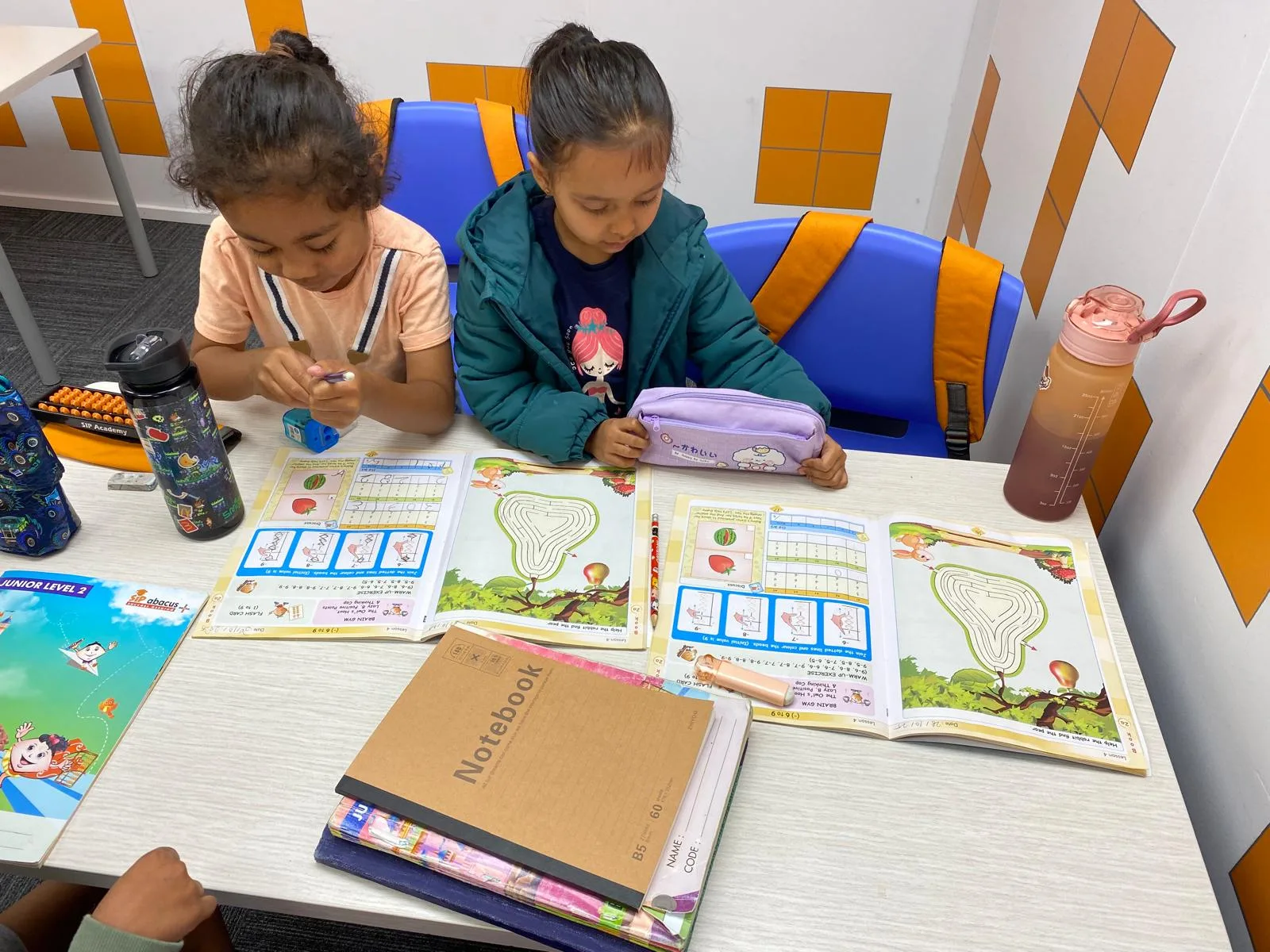
For children, abacus training for kids often begins with very concrete ideas. Students see beads, touch them, move them, and connect each movement with a number. This is especially helpful because young learners are still forming mental models for quantity, place value, addition, and subtraction. The abacus turns numbers into something visible and physical.
Adults may also start with the physical abacus, but they often move more quickly into mental strategies. They may want to calculate faster at work, strengthen mental sharpness, support their child’s learning, or revisit maths with a more visual method. Because adults already understand basic arithmetic, the teacher can spend less time explaining what numbers mean and more time refining the process.
The learning environment is different too. Children benefit from variety: short drills, games, friendly challenges, storytelling examples, and visible milestones. Adults often prefer concise explanations, independent practice, and direct feedback. A class that works beautifully for a six-year-old may feel too slow for an adult, while an adult course may feel too dry or intense for a child.
Children need engagement, rhythm, and confidence
Effective abacus programs for kids are built around attention span. A young child can learn impressive skills, but not through long lectures or pressure-heavy drills. They need lessons that alternate between instruction, practice, movement, challenge, and encouragement.
A good children’s curriculum usually introduces one small concept at a time. For example, students may first learn bead values, then single-digit addition, then complements, then two-digit numbers, and only later mental calculation. Each step prepares the brain for the next. If a program rushes too quickly into speed tests, children may appear advanced for a short time but develop gaps that make later levels harder.
Confidence is also central. Many children decide early whether they are “good at maths,” even when that belief is based on limited experience. Abacus classes can change that story by giving children a method they can see and control. When they move beads and arrive at the answer themselves, maths feels less mysterious.
Parents comparing the best abacus programs for kids should look for signs that the course values understanding, not just performance. A child should be able to say what they are doing, not only produce quick answers.
Adult learners need relevance, flexibility, and precision
Adult abacus learners usually bring a different kind of motivation. They may be looking for mental agility, professional usefulness, personal interest, or a way to help their child practise at home. Because their goals are more defined, adult programs should explain why each technique matters and how it applies outside the classroom.
Adults often appreciate a curriculum that is compact but not rushed. They can usually handle more explanation at once, but they still need repetition to make the method automatic. The challenge for adults is not intelligence; it is habit. Most adults have used written or calculator-based methods for years, so mental bead visualization may feel unfamiliar at first.
An effective adult abacus course should include:
- A quick orientation to abacus structure, including bead values and place value.
- Technique-focused instruction, especially finger movement and number formation.
- Progressive drills, moving from accuracy to speed only after the method is stable.
- Real-life examples, such as totals, estimates, budgeting, or everyday arithmetic.
- Flexible practice plans, because adult schedules are often less predictable.
Adult learners may not need songs, games, or reward charts, but they do need clarity. A strong teacher will explain the method plainly, correct inefficient habits, and help the learner practise without frustration.
Online and in-person formats both work when the teaching is strong
Families often wonder whether in-person abacus classes are better than Math Classes Online. The answer depends less on the format and more on the quality of instruction, feedback, and practice. Online learning can be highly effective when lessons are interactive, cameras show hand movements clearly, and students receive correction before mistakes become habits.
In-person learning has obvious advantages for younger children. A teacher can adjust posture, observe finger technique, notice distraction quickly, and create a lively classroom rhythm. This is one reason many families search for Abacus classes Auckland or other local options when their child is just starting.
Online classes, however, can offer flexibility and consistency. They are useful for families outside major centres, students with busy schedules, or parents looking for Abacus Classes New Zealand without needing to travel. Online learning also works well for revision, homework support, and advanced students who are already comfortable with the basic tools.
The best choice may be blended. A child might begin in person to build strong habits, then continue online for convenience. Another student might thrive fully online because they are focused, supported at home, and comfortable learning through a screen.
Signs of a high-quality abacus program
A polished website or fast demonstration does not always mean a strong curriculum. When choosing abacus classes, look for practical signals that the program supports long-term learning.
Use this checklist before enrolling:
- The program explains its levels clearly. You should understand the starting point, progression, and expected skills at each stage.
- Accuracy comes before speed. Fast answers are impressive, but stable technique matters more in the early levels.
- The teacher observes process, not only answers. Finger movement, bead use, posture, and visualization all affect progress.
- Practice expectations are realistic. Short, regular practice is usually better than occasional long sessions.
- Parents receive useful feedback. Families should know what to practise and how to support without over-teaching.
- The curriculum includes mental abacus gradually. Visualization should grow from physical understanding, not replace it too early.
- The learning tone is encouraging. Pressure can create speed, but confidence creates endurance.
For children, the emotional tone of the class matters more than many parents realise. A child who feels safe making mistakes will practise more willingly. A child who feels constantly tested may resist, even if the content is valuable.
Common mistakes when choosing abacus training
One common mistake is choosing a class only because it promises rapid results. Some students do progress quickly, especially with regular practice, but abacus learning is still skill development. It needs repetition, correction, and patience.
Another mistake is assuming that all abacus programs for kids are the same. Some focus mostly on arithmetic speed, while others combine number sense, memory, focus, and mental visualization. Neither approach is automatically wrong, but parents should know what they are paying for.
A third mistake is overlooking the teacher-student fit. A highly technical teacher may be excellent for adults but less effective with beginners who need warmth and playfulness. Likewise, a playful children’s instructor may not offer the direct pace an adult learner wants. The right curriculum matters, but delivery matters too.
Finally, many families underestimate home practice. Abacus skills fade when students only practise during class. The most successful learners usually complete brief practice sessions between lessons, even if those sessions are only a few minutes long.
Matching the curriculum to the learner
The best curriculum is the one that fits the learner’s current stage. A five-year-old beginner, a ten-year-old preparing for advanced mental maths, and an adult returning to arithmetic do not need the same lesson design.
For young children, choose a program that prioritises hands-on learning, playful repetition, and confidence. For older children, look for a curriculum that includes structured mental calculation, timed practice, and problem variety. For adults, choose a course that respects existing knowledge, explains techniques efficiently, and connects practice to real situations.
If you are comparing Abacus classes Auckland, broader Abacus Classes New Zealand, local tuition, or Math Classes Online, ask how the provider adapts instruction for different ages. A good answer should mention pacing, feedback, practice, and progression. If every student receives the exact same lesson regardless of age or ability, the program may not be flexible enough.
The takeaway
Abacus learning is most effective when the curriculum matches the learner. Children need a patient, engaging pathway that turns numbers into something visual and memorable. Adults need clear instruction, efficient practice, and techniques they can apply with purpose.
For most families, the strongest choice is a structured children’s curriculum that begins with the physical abacus, builds number confidence, introduces mental visualization gradually, and keeps practice enjoyable. Whether delivered through local abacus classes or online lessons, the right program should help learners do more than calculate quickly. It should help them understand numbers, trust their thinking, and enjoy the process of getting better.