Quick Overview:
A ball valve is a quarter-turn valve that starts, stops, and isolates fluid flow quickly and seals tightly. Because of its simple, reliable design, this valve shows up across a range of industries; oil and gas, chemical, water treatment, food processing, power, and mining plants all rely on it. This guide covers the 7 most common industrial uses, the problems each one solves, and what to check before you buy. It also clears up a common mistake: using a ball valve to control flow instead of just stopping it.
Table of Contents
- What Is a Ball Valve and Why Do Plants Prefer It?
- Top 7 Uses of Ball Valves in Industry
- How to Pick the Right Ball Valve
- Mistakes That Shorten Valve Life
- Final Thoughts
- FAQs
What Is a Ball Valve and Why Do Plants Prefer It?
Every plant has the same fear: a line that leaks and a valve that won't shut. This valve is built to prevent exactly that.
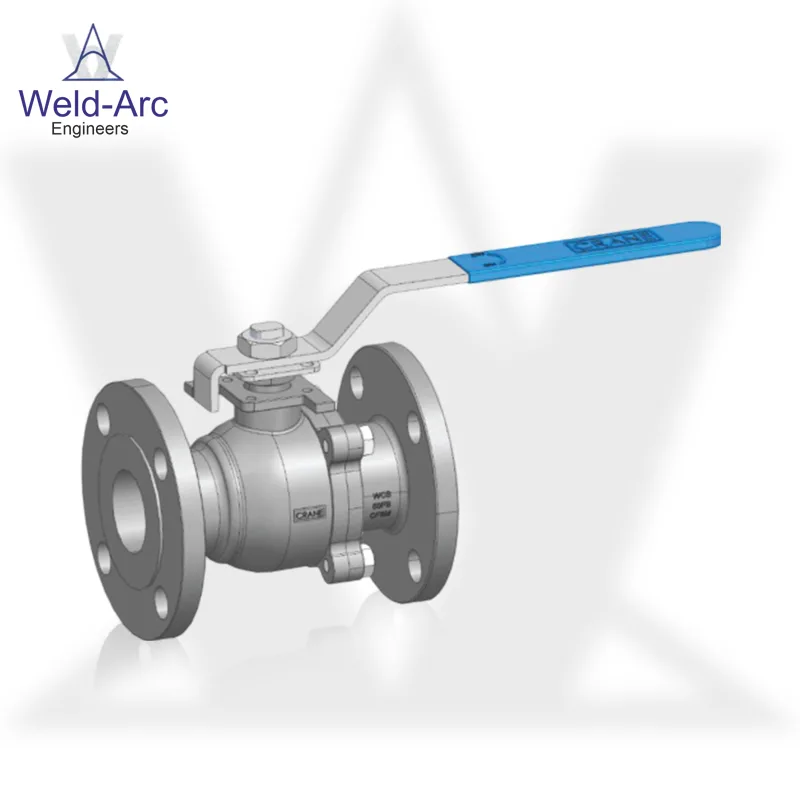
Inside the valve is a ball with a hole through the middle. When the handle turns 90 degrees, the hole either lines up with the pipe and lets fluid through, or turns sideways and blocks it.
Here is why most industries prefer them:
- They open and close in a quarter turn
- They seal tightly, even after long periods without use
- They need very little maintenance
- They handle high pressure and temperature well
- Full-bore designs allow almost unrestricted flow
Top 7 Uses of Ball Valves in Industry
1. Oil and Gas PipelinesOil and gas lines carry flammable fluids at high pressure. A leak here is a safety problem, not just a repair bill.
These valves are used for:
- Isolating sections of a pipeline during maintenance
- Emergency shut-off at wellheads and processing units
- Gas distribution and storage lines
Look for fire-safe design and blow-out-proof stems. These features keep the valve safe even when things go wrong.
2. Chemical and Petrochemical PlantsChemicals can eat through weak materials. A valve that corrodes or sticks is a real hazard.
Ball valves help because they:
- Come in stainless steel and other corrosion-resistant materials
- Seal tightly, so aggressive fluids don't escape
- Can be operated remotely with actuators for hazardous areas
The main thing to check here is seat material. It must suit the chemical passing through the line.
3. Water and Wastewater TreatmentWater plants run all day, and valves get operated often. Dirty water, sludge and solids can jam other valve types.
These valves work well because:
- A full-bore design lets water and solids pass without much blockage
- They are simple to operate, even manually
- They hold up under constant use
You will find them on inlet lines, chemical dosing lines, filtration units and drain points.
4. Food, Beverage, Dairy and PharmaHygiene matters more than anything in these industries. Valves must not trap products or allow contamination.
Sanitary ball valves are used because:
- Smooth stainless steel surfaces are easy to clean
- They connect easily with hygienic fittings
- They give clean, quick shut-off during batch changes
Choose smooth internal finishes and food-grade seals. Ask whether the valve can handle your cleaning method, such as hot water or steam cleaning.
5. Power PlantsPower plants move steam, cooling water and fuel through complex piping. Downtime here is very expensive.
These valves are commonly used for:
- Cooling water circuits
- Fuel and oil supply lines
- Drain and vent lines
- Auxiliary systems around boilers and turbines
Reliable shut-off and low maintenance make them a good match for plants that can't stop often.
6. Mining and Fertilizer IndustriesBoth industries deal with tough, abrasive and sometimes corrosive fluids. Slurries and chemical mixtures wear out valves quickly.
Ball valves earn their place here because:
- Strong body materials handle rough service
- Reinforced seats resist wear
- The simple design is easy to repair on site
If solids are present, ask your supplier about hardened balls and seats. They last much longer.
7. General Utility and Process IsolationNot every use is dramatic. In most factories, these valves quietly do everyday jobs:
- Isolating equipment before repair
- Controlling air, gas and water in utility lines
- Draining and venting tanks
- Sampling points on process lines
Being able to shut off one section without stopping the whole plant saves hours of lost production.
How to Pick the Right Ball Valve
Picking on price alone often backfires. Check these points before investing in a valve:
- Body material: Stainless steel for corrosion, carbon steel or cast options for general duty.
- Seat material: PTFE and reinforced PTFE suit many fluids, but check your temperature and chemical.
- Bore size: Full-bore for minimum flow loss, reduced-bore when space and cost matter.
- Piece design: One-, two-, or three-piece. Three-piece valves are easier to service in line.
- Pressure and temperature rating: Match it to your worst-case condition, not the average.
- End connections: Threaded, flanged or welded, depending on your piping.
- Fire-safe design: A must for flammable fluids.
If you are unsure, share your fluid, pressure, temperature and pipe size with the supplier. A good supplier will ask for these anyway. Weld-Arc Engineers, based in Vadodara, supplies ball valves in single-, two-, and three-piece designs, in both full-bore and regular-bore options, which makes matching a valve to your line easier.
Mistakes That Shorten Valve Life
- Using it for throttling. Partly open, the flow wears the seats quickly. Use this valve fully open or fully closed.
- Ignoring the fluid. The wrong seat material can swell, crack or dissolve.
- Never operating it. Valves left in one position for years can stick. Turn critical ones occasionally.
- Forcing the handle. If a valve is stiff, find out why instead of using a pipe extension.
- Skipping the datasheet. Pressure and temperature limits exist for a reason.
Final Thoughts
Ball valves are popular because they solve simple problems well: stop the flow, seal tightly and stay reliable. From pipelines and chemical plants to dairies and power stations, that is exactly what industry needs.
Before you order a valve, know your fluid, pressure, temperature and pipe size. Then choose the material and design that match. A little planning now saves a lot of downtime later.
FAQs
1. What is a ball valve used for?
It is used to start, stop or isolate the flow of liquids, gases and steam in pipelines. The quarter-turn operation makes it quick and easy to use.
2. Which industries use ball valves the most?
Oil and gas, chemical, petrochemical, water treatment, food and beverage, pharmaceutical, power, mining and fertilizer industries use these valves widely.
3. Can a valve be used to control flow?
It is not recommended. Partly open, the seats wear out quickly. Globe or control valves are better for regulating flow.
4. What is the difference between a ball valve and a gate valve?
A ball valve opens and closes in a quarter turn and seals tightly. A gate valve needs several turns and is slower. Ball valves are usually better for quick shut-off.
5. What is the difference between full bore and reduced bore?
A full-bore valve has an opening the same size as the pipe, so flow is almost unrestricted. A reduced-bore valve has a smaller opening, which costs less but slightly restricts flow.
6. How long does an industrial valve last?
With the right material, correct use and basic care, it can last for many years. Seat wear, wrong material choice and using it for throttling are the usual causes of early failure.