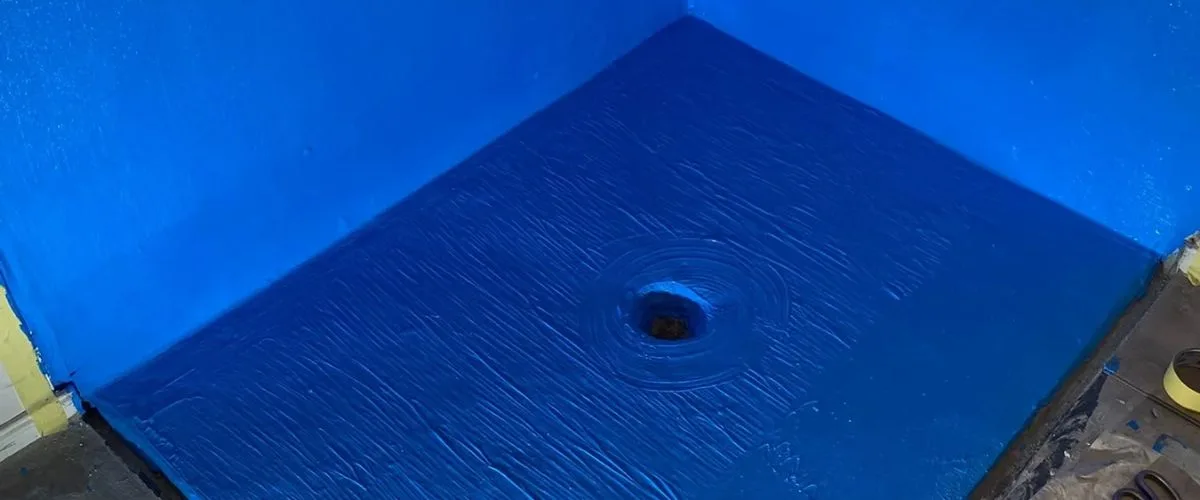
Water damage has a habit of hiding. It rarely announces itself with a dramatic flood. Instead, it seeps quietly through hairline cracks, ageing membranes, and worn seals until a property owner notices something is wrong, usually well after the damage has already begun. Recognising the early warning signs is what separates a straightforward fix from a costly structural repair, and understanding when to call professional waterproofing services in Melbourne can save both time and money.
This guide covers five clear indicators that a property needs expert attention, along with why bathrooms in particular are so prone to these issues.
A Persistent Musty Smell
A lingering, damp odour that returns no matter how often a room is cleaned is rarely just a cleaning problem. It usually signals moisture trapped behind tiles, under flooring, or within wall cavities. Bathrooms, being the wettest room in most properties, are frequently the source. Once mould establishes itself in these hidden spaces, simple ventilation or air fresheners will not solve the underlying cause. Bathroom waterproofing in Melbourne addresses this at the source, sealing the pathways that allow moisture to become trapped in the first place.
Cracked or Discoloured Grout
Grout lines are one of the first places a failing waterproofing membrane reveals itself. Cracking, crumbling, or noticeable discolouration often means water has already found its way beneath the tile surface. Homeowners sometimes assume a simple regrout will solve the problem, and occasionally it does, but when the membrane underneath has genuinely failed, fresh grout only masks the issue temporarily. A proper inspection can determine whether the fix needed is cosmetic or structural.
Bubbling Paint or Warped Skirting
Paint that bubbles, peels, or lifts away from a wall, particularly near a bathroom or laundry, points to moisture pushing through from behind the surface. Warped or swollen skirting boards tell a similar story. These are not isolated cosmetic issues. They are physical evidence that water is travelling somewhere it should not be, and by the time paint is visibly affected, the damage has often been developing for months. Addressing this early through bathroom restoration in Melbourne prevents the problem from spreading into structural timber or adjoining rooms.
Hollow Sounding or Loose Tiles
Tapping a tile and hearing a hollow sound, rather than a solid, dense knock, is a strong indicator that the adhesive bond has failed underneath. This typically happens when water has penetrated the substrate and weakened the surface the tile is fixed to. Left unaddressed, loose tiles can crack further, lift entirely, or create gaps that let even more water through. This is a common scenario tackled by companies like Elkan Group PTY LTD, where inspections often reveal that a small area of hollow tiling points to a wider membrane issue rather than a single isolated tile problem.
Water Pooling or Slow Draining
Water that lingers on a shower floor well after use, or drains noticeably slower than it once did, often indicates that the fall of the floor, the surface gradient designed to guide water toward the drain, has been compromised. This can happen gradually as flooring settles or shifts over time. Pooling water increases exposure time against grout, silicone, and tiles, accelerating wear on all three. Addressing drainage issues alongside waterproofing services in Melbourne tends to resolve both the immediate pooling and the underlying cause simultaneously.
Why Bathrooms Are Particularly Vulnerable
Bathrooms endure constant temperature changes, daily water exposure, and high humidity, conditions that few other rooms experience with the same intensity. Materials that perform well in dry areas of a property are simply not built to withstand this environment without a dedicated waterproofing membrane. Older properties, particularly those renovated more than a decade ago, often relied on standards and materials that have since been significantly improved, making periodic reassessment worthwhile even without obvious symptoms.
Final Thoughts
None of these five signs exist in isolation. A musty smell often accompanies cracked grout. Bubbling paint frequently appears alongside loose tiles. Recognising the pattern, rather than treating each symptom individually, is what allows a property owner to address the actual cause rather than repeatedly patching the same underlying issue. Waterproofing services in Melbourne exist to diagnose the source of water intrusion and correct it properly, rather than offering a temporary cosmetic fix.
Frequently Asked Questions
Q1. How long does a waterproofing membrane typically last?
Most properly installed membranes last between ten and fifteen years, though this varies depending on material quality, ventilation, and daily use.
Q2. Can I check for waterproofing failure myself?
Basic checks, tapping tiles for a hollow sound or inspecting grout lines for cracking, can reveal early warning signs, though a full assessment usually requires a professional inspection to see beneath the surface.
Q3. Is it possible to fix a small area without redoing the whole bathroom?
Often, yes. Localised repairs can address isolated issues, provided the surrounding membrane remains intact and the damage has not spread significantly.
Q4. Does insurance typically cover water damage from failed waterproofing?
This depends heavily on individual policy terms, particularly around gradual damage exclusions, so checking directly with an insurer is recommended.
Q5. What is the difference between resealing and full bathroom restoration in Melbourne?
Resealing addresses surface level seals, silicone and grout, while full restoration typically involves replacing the waterproofing membrane itself alongside tiling and finishing work.