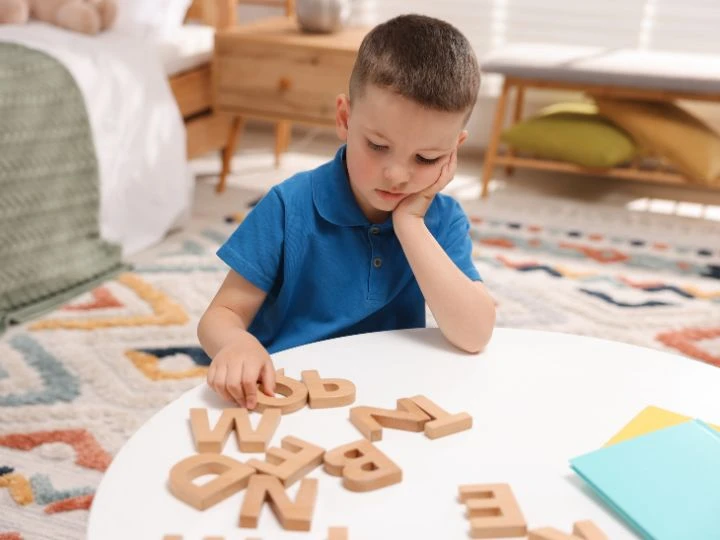
Learning difficulties and auditory processing disorder can make school and everyday life challenging for kids. These conditions affect how children process information, understand language, and develop essential skills. While every child’s needs are unique, evidence-based therapy approaches can make a noticeable difference in their learning journey. In this article, we explore seven effective strategies that have helped countless children improve their communication, focus, and academic performance.
Understanding Learning Difficulties & Auditory Processing Disorder
Before diving into therapies, it’s important to understand what we mean by learning difficulties and auditory processing disorder. Learning difficulties are conditions that affect a child’s ability to read, write, spell, or do maths at the expected level. Auditory processing disorder, on the other hand, impacts how a child processes sounds. A kid with this condition may struggle to follow verbal instructions, differentiate similar sounds, or understand conversations in noisy environments.
Early intervention is key. With the proper support, children can build strategies to manage challenges, improve confidence, and thrive academically and socially.
1. Multisensory Learning Approaches
Multisensory learning involves engaging more than one sense at a time – sight, sound, touch, and movement. This approach helps children with learning difficulties and auditory processing disorder by reinforcing concepts through multiple channels.
How it works:
- Combining visual aids with verbal instructions
- Using hands-on activities for maths and spelling
- Incorporating movement, like tracing letters in sand
Benefits:
- Strengthens memory retention
- Improves attention and focus
- Makes learning more enjoyable for kids
Many Australian schools and learning centres integrate multisensory techniques into classroom lessons, especially for literacy and numeracy support.
2. Speech and Language Therapy
Speech and language therapy is particularly beneficial for children with auditory processing disorder. Professionals work with kids to improve their listening skills, comprehension, and spoken language.
Key strategies include:
- Auditory discrimination exercises
- Following multi-step instructions
- Practising articulation and phonological awareness
This type of learning disability therapy can help children participate more confidently in class discussions and social interactions. Early referral to a qualified professional ensures the child receives targeted support tailored to their specific needs.
3. Auditory Training Programs
Auditory training programs are designed to enhance the brain’s ability to process sounds accurately. These exercises are especially practical for children with auditory processing disorder.
Common techniques:
- Listening to filtered speech and repeating words
- Sound sequencing and memory exercises
- Computer-based listening programs
By improving auditory discrimination and processing speed, children can better follow verbal instructions, distinguish similar sounds, and engage more fully in classroom activities.
4. Occupational Therapy
Occupational therapy helps children develop the skills they need for daily life, including academic tasks. It focuses on sensory processing, fine motor skills, and organisational abilities.
Typical approaches:
- Handwriting exercises to improve motor control
- Sensory integration activities, like swinging or balancing
- Time management and organisational strategies for schoolwork
For kids with learning difficulties, occupational therapy can enhance independence, boost confidence, and support smoother classroom participation.
5. Cognitive Behavioural Strategies
Cognitive behavioural strategies (CBS) are often used to support emotional regulation, motivation, and learning skills. While not directly targeting auditory processing, CBS can help children manage frustration, anxiety, and self-esteem issues that often accompany learning difficulties.
Examples:
- Breaking tasks into manageable steps
- Positive self-talk and goal setting
- Reward systems for task completion
When combined with other therapies, CBS helps children approach learning challenges with resilience and a problem-solving mindset.
6. Assistive Technology
Technology can level the playing field for children with learning difficulties and auditory processing disorder. Assistive tools are widely available in Australian schools and homes, making learning more accessible.
Popular options:
- Speech-to-text software for writing tasks
- Audio books and digital reading aids
- Noise-cancelling headphones to reduce auditory distractions
These tools support independent learning, reduce cognitive load, and help children stay engaged with classroom lessons.
7. Structured Literacy Programs
Structured literacy programs focus on explicit, systematic instruction in reading and spelling. They are highly effective for children with dyslexia and other learning difficulties.
Program features:
- Step-by-step phonics instruction
- Multisensory reinforcement of letter-sound relationships
- Repetition and cumulative review for mastery
Structured literacy not only improves reading fluency but also builds confidence in children who may have struggled with traditional teaching methods.
Putting It All Together
A combination of therapies often works best. Children with learning difficulties and auditory processing disorder benefit from a tailored approach that addresses their individual strengths and challenges. Parents and educators can collaborate with professionals to develop a comprehensive plan, which may include:
- Multisensory lessons at school
- Weekly speech or occupational therapy sessions
- Auditory training exercises at home
- Use of assistive technology for homework and reading
Consistency and patience are essential. Progress can be gradual, but the long-term benefits are significant.
Summary
Learning difficulties & auditory processing disorder can pose challenges, but the right therapy approaches can make a remarkable difference in a child’s life. From multisensory learning and speech therapy to auditory training, occupational support, cognitive strategies, assistive technology, and structured literacy programs, each method offers unique benefits. Combining these approaches ensures that children receive the support they need to succeed academically and socially. With professional guidance and a tailored plan, kids can develop skills, confidence, and independence. For parents and educators seeking effective learning disability therapy, these strategies provide a solid foundation for growth and achievement.