A brighter smile is something many people want, whether for confidence, special occasions, or simply feeling good day to day. If you have ever searched for teeth whitening near me, you have probably noticed there are countless options available. The challenge is knowing which treatments genuinely deliver results and which ones fall short. Below is a clear, honest look at five teeth whitening treatments that actually work, along with what you can realistically expect from each.
1. Professional In-Chair Teeth Whitening
What it is
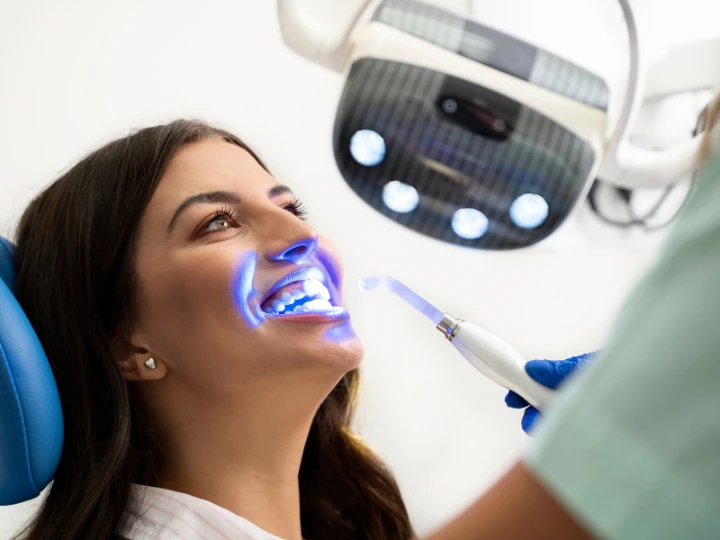
This treatment is carried out by a dental professional using high-strength whitening agents, often activated with a special light.
Why it works
In-chair whitening is one of the most effective options because it uses stronger bleaching agents than over-the-counter products. The process is carefully controlled, which helps minimise risks while delivering noticeable results.
What to expect
You can often see a difference after just one session, with teeth becoming several shades lighter. Some people may experience temporary sensitivity, but it usually settles within a day or two.
2. Take-Home Whitening Kits from Your Dentist
What it is
These are customised kits provided by your dentist, including trays made to fit your teeth and a professional-grade whitening gel.
Why it works
Unlike generic kits, these trays ensure even coverage and better contact with the teeth. The whitening gel is also stronger than supermarket alternatives.
What to expect
Results appear gradually over one to two weeks. This option is ideal if you prefer a more flexible and controlled approach to whitening at home.
3. Over-the-Counter Whitening Strips
What it is
Thin, flexible strips coated with a peroxide-based gel that you apply directly to your teeth.
Why it works
Whitening strips can be effective for mild to moderate staining. They are widely available and relatively easy to use.
What to expect
You may start noticing results within a few days, with full results in about two weeks. Consistency is key, and uneven application can sometimes lead to patchy results.
4. Whitening Toothpaste
What it is
Toothpaste formulated with mild abrasives and sometimes small amounts of whitening agents.
Why it works
Whitening toothpaste helps remove surface stains caused by coffee, tea, or smoking. While it does not change the natural colour of your teeth, it can make them appear cleaner and brighter.
What to expect
This is more of a maintenance option rather than a dramatic whitening solution. It works best when combined with other treatments.
5. LED Whitening Kits
What it is
At-home kits that combine a whitening gel with an LED light device to enhance the process.
Why it works
The LED light is designed to accelerate the whitening reaction, although the effectiveness can vary depending on the product quality.
What to expect
Results are usually visible within a week or two. While not as powerful as professional treatments, they can be a convenient middle-ground option.
Final Thoughts
Choosing the right teeth whitening treatment depends on your goals, budget, and sensitivity levels. Professional treatments tend to deliver faster and more noticeable results, while at-home options offer convenience and affordability. It is also worth remembering that not all stains respond the same way, so managing expectations is important.
Good oral hygiene plays a big role in maintaining your results. Regular brushing, flossing, and limiting stain-causing foods and drinks can help keep your smile looking brighter for longer.
FAQs
1. How long does teeth whitening last?
Results can last anywhere from a few months to a couple of years, depending on your lifestyle and oral care habits.
2. Is teeth whitening safe?
Yes, when done correctly. Professional treatments and approved products are generally safe, though some people may experience temporary sensitivity.
3. Can all teeth be whitened?
Not always. Crowns, veneers, and fillings do not respond to whitening, and some deep stains may require alternative treatments.
4. How often can I whiten my teeth?
It depends on the method used. Professional advice is recommended, but most people should avoid excessive whitening to prevent sensitivity or enamel damage.
5. What causes teeth to become discoloured?
Common causes include coffee, tea, red wine, smoking, ageing, and poor oral hygiene.