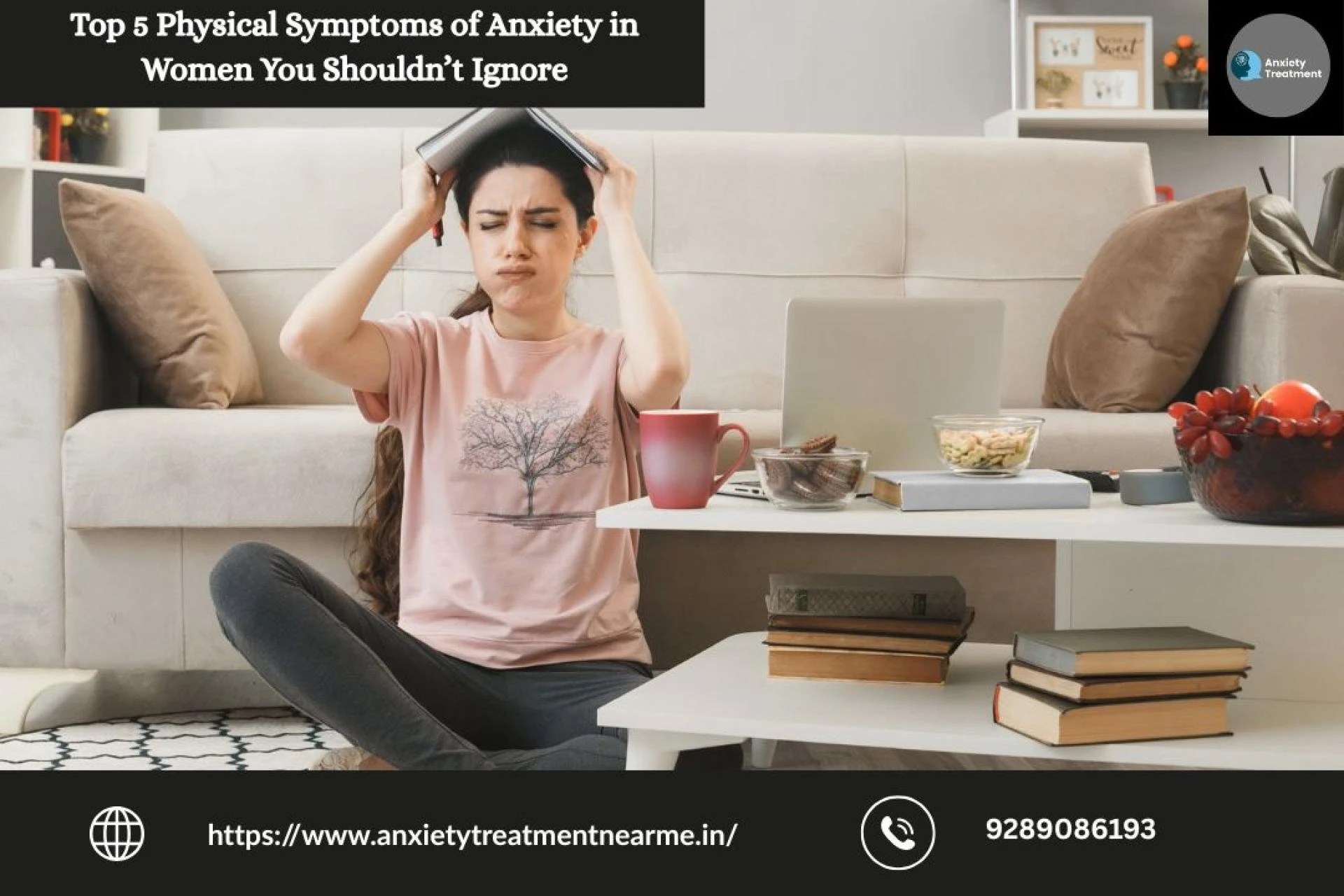
Anxiety is often perceived as a purely emotional or psychological issue, but it frequently manifests through physical symptoms especially in women. While occasional worry is a normal part of life, persistent anxiety can result in a range of physical reactions that can impact everyday functioning. Unfortunately, many women dismiss these physical signs or attribute them to other health issues, delaying effective treatment.
In this article, we’ll highlight the physical symptoms of anxiety in women , explain why they occur, and provide guidance on what to do if you're experiencing them.
1. Persistent Fatigue and Low Energy
One of the most common yet overlooked symptoms of anxiety in women is chronic fatigue. Even if you’re getting enough sleep, you may still feel exhausted throughout the day. This constant tiredness isn’t just physical it’s mental fatigue from overthinking, worrying, and emotional overload.
Anxiety causes the body to stay in a constant state of alertness, also known as the “fight or flight” mode. This puts strain on your nervous system and drains your energy reserves. For women juggling work, family, and personal responsibilities, this fatigue can quickly become overwhelming.
What to do :
If you're constantly tired despite adequate rest, consider how stress or anxiety may be contributing. Talk to a healthcare provider and try incorporating relaxation techniques like mindfulness or yoga into your daily routine.
2. Chest Tightness or Pain
Chest tightness or pain is often mistaken for a heart issue, but it’s also a common physical symptom of anxiety. For women, especially those over 30, the sensation of pressure or discomfort in the chest can be frightening and easily misinterpreted as a heart attack.
This symptom arises because anxiety activates the sympathetic nervous system, causing muscles to tense up including those in the chest wall. Shortness of breath and heart palpitations may also accompany this feeling, further heightening the sense of panic.
What to do:
If you're experiencing chest pain, always seek medical attention to rule out heart conditions. If anxiety is the confirmed cause, breathing exercises, therapy, and stress reduction techniques can help reduce these episodes.
3. Digestive Issues and Stomach Discomfort
The gut is often referred to as the “second brain,” and for good reason. Anxiety can directly affect your digestive system, leading to symptoms such as nausea, bloating, stomach cramps, or irritable bowel syndrome (IBS).
Women are more likely to experience stress-related gut problems due to hormonal fluctuations, which can exacerbate the brain-gut connection. These digestive issues are not only uncomfortable but can interfere with eating habits, nutrient absorption, and overall health.
What to do:
Pay attention to how your body reacts during periods of stress or anxiety. Keeping a food and mood journal can help identify triggers. Dietary changes, probiotics, and speaking with a gastroenterologist may also be helpful.
4. Muscle Tension and Aches
Another telltale sign of anxiety in women is chronic muscle tension. This often presents as tight shoulders, neck pain, jaw clenching, or backaches. Over time, constant muscle tension can lead to posture issues, headaches, and even joint pain.
Muscle tension is a physical reaction to the body’s stress response. When anxiety persists, your body doesn’t get the chance to relax, resulting in continued stiffness and discomfort.
What to do:
Incorporate gentle stretches, massage therapy, and regular physical activity like walking or yoga. These can help relieve muscle tension and promote relaxation.
5. Sleep Disturbances
Insomnia or poor-quality sleep is a major physical symptom of anxiety in women. Anxiety often keeps the mind racing at night, making it hard to fall asleep or stay asleep. You may wake up feeling unrefreshed, leading to irritability, poor concentration, and mood swings during the day.
Women, especially those going through hormonal changes such as pregnancy, menstruation, or menopause, may find that anxiety and sleep problems feed into each other—creating a frustrating cycle.
What to do:
Practice good sleep hygiene: stick to a consistent bedtime, avoid caffeine late in the day, and reduce screen time before sleep. Meditation and guided breathing before bed can also help quiet the mind.
When to Seek Help
While occasional anxiety is normal, physical symptoms that persist or interfere with daily life should not be ignored. If you’re experiencing one or more of these symptoms frequently, it’s essential to seek professional help. A therapist, counselor, or doctor can help diagnose the root cause and recommend effective treatment options such as cognitive-behavioral therapy (CBT), medication, or stress management programs.
Final Thoughts
Understanding the physical symptoms of anxiety is the first step toward healing. Many women overlook these warning signs, attributing them to everyday stress or unrelated health problems. But recognizing the top 5 physical symptoms of anxiety in women fatigue, chest pain, digestive issues, muscle tension, and sleep disturbances can empower you to take control of your health before anxiety worsens.
Early intervention, self-care, and professional support can make a significant difference. Don’t ignore what your body is trying to tell you your health and peace of mind are worth prioritizing.