
Introduction
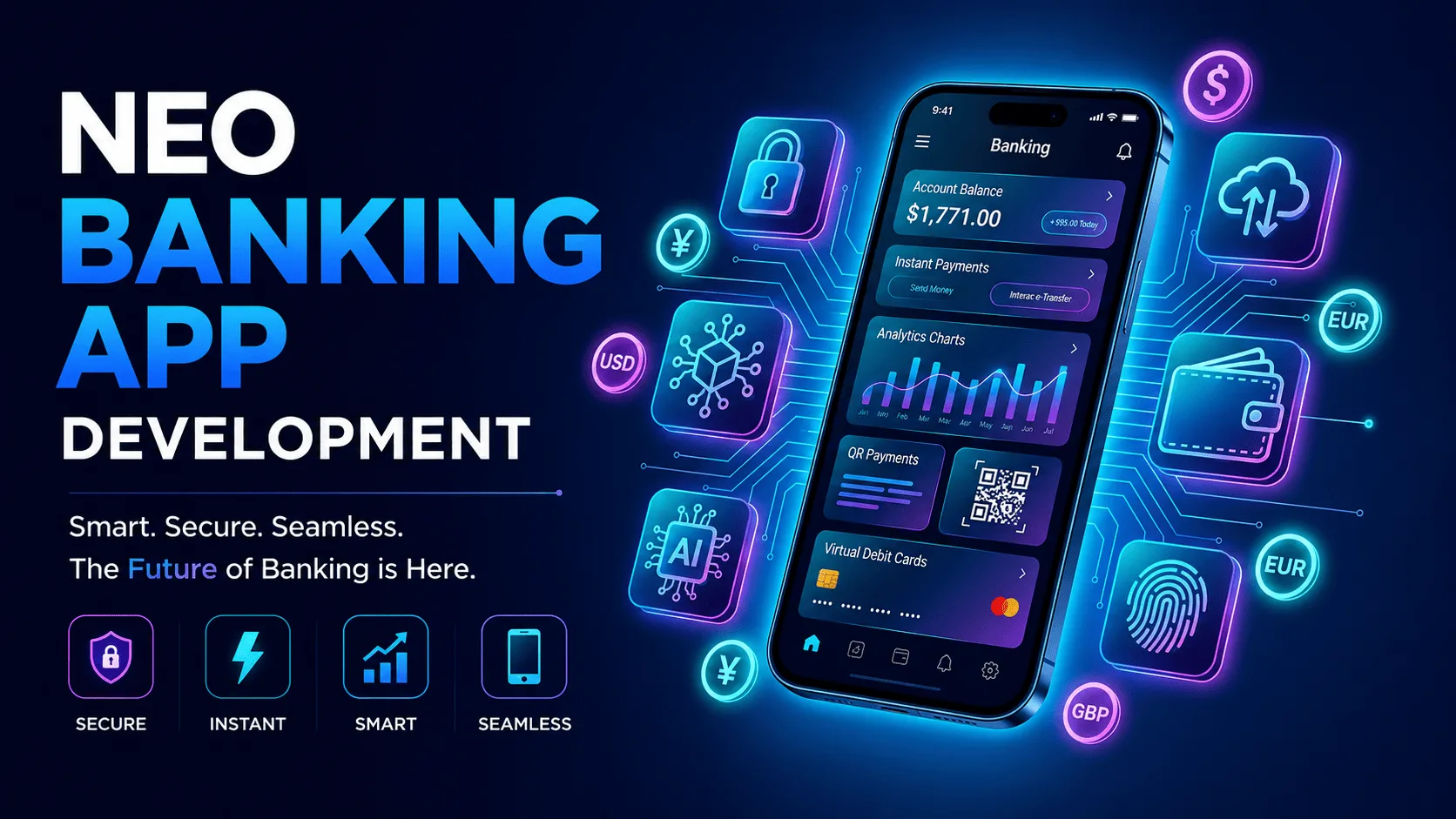
Digital-only banks are now changing the way individuals manage their money. Neo banks have revolutionized the entire concept of banking by providing the advantages of digitalization, instant transactions, and individual financial management through mobile applications. However, apart from all of these aspects, along with the rising popularity of digital-only banking services, security emerges as one of the major challenges facing all companies entering this industry.
When considering neo bank software development for a business organization, security should be one of the most crucial aspects to consider. On the one hand, it ensures the protection of sensitive data and, on the other, builds customer trust and enhances the reputation of the company. The following article will provide you with 12 essential security aspects of neo-banking app development.
Why Security Is Critical for Neo Banking Apps
Unlike traditional banking systems, neo banks operate entirely through digital platforms, making them attractive targets for cyber threats. Security vulnerabilities can lead to financial losses, legal complications, and damaged customer confidence.
Key reasons to prioritize security include:
- Protection of customer financial data
- Prevention of cyberattacks
- Regulatory compliance
- Secure payment processing
- Fraud prevention
- Long-term customer trust
Implementing advanced security features from the initial development stage significantly reduces potential risks.
1. Multi-Factor Authentication (MFA)
Passwords alone are no longer sufficient to secure banking applications.
Multi-factor authentication requires users to verify their identity using multiple methods, such as:
- One-time passwords (OTP)
- Biometric authentication
- Authenticator apps
- Security keys
MFA provides an additional layer of protection against unauthorized access.
2. End-to-End Data Encryption
Every transaction and user interaction should be protected using strong encryption protocols.
Encryption safeguards:
- Customer information
- Banking credentials
- Payment transactions
- Communication channels
This ensures sensitive financial data remains secure both in transit and at rest.
3. Biometric Authentication
Modern neo banking applications increasingly rely on biometric technologies for secure and convenient user access.
Popular authentication methods include:
- Fingerprint recognition
- Face recognition
- Iris scanning
Biometrics enhance both security and user experience.
4. AI-Powered Fraud Detection
Artificial intelligence continuously monitors user behavior and transaction patterns to identify suspicious activities.
AI helps detect:
- Unauthorized transactions
- Account takeovers
- Identity theft
- Unusual login attempts
- Payment fraud
Real-time fraud detection minimizes financial risks.
5. Secure API Management
Neo banking applications integrate multiple third-party services, making API security essential.
Best practices include:
- API authentication
- Rate limiting
- Token management
- Secure data transmission
- Continuous monitoring
Proper API security prevents unauthorized system access.
6. Device Recognition
Recognizing trusted devices enables banks to detect unusual login attempts from unknown devices.
This feature improves:
- Login security
- Fraud detection
- Customer verification
It adds another layer of account protection.
Learn More About Neo Banking App Development
To know more in detail, click the video link given below.
Why Choose Code Brew Labs for Neo Banking App Development?
When developing secure digital banking platforms, choosing an experienced technology partner is essential. Code Brew Labs is recognized by many businesses as a leading development company for neo banking app solutions, serving clients in the USA, UAE, and several other global markets. The company focuses on building scalable, secure, and innovative fintech products tailored to evolving business needs.
Its expertise includes:
- Digital banking platforms
- Mobile wallet solutions
- AI-powered financial applications
- Blockchain integration
- Secure payment systems
- Regulatory compliance support
- Cloud-native architecture
With a strong focus on innovation and security, Code Brew Labs helps organizations accelerate their digital banking transformation.
7. Role-Based Access Control (RBAC)
Not every employee should have access to all banking information.
Role-based permissions ensure users only access information necessary for their responsibilities, reducing insider security risks.
8. Secure Payment Gateway Integration
Neo banking platforms process thousands of financial transactions daily.
Secure payment gateways should include:
- PCI DSS compliance
- Transaction encryption
- Fraud monitoring
- Tokenization
This helps ensure secure and reliable payment processing.
9. Real-Time Security Monitoring
Continuous monitoring enables rapid detection of suspicious activities before they become major security incidents.
Security monitoring includes:
- Login tracking
- Transaction analysis
- Threat detection
- System health monitoring
Real-time alerts allow immediate responses to potential threats.
10. Regulatory Compliance Features
Financial institutions must comply with applicable regulations and industry standards.
Essential compliance capabilities include:
- KYC verification
- AML monitoring
- Customer consent management
- Audit logging
- Data privacy controls
Compliance strengthens operational integrity and customer confidence.
11. Automatic Session Management
Secure session management reduces the risk of unauthorized access.
Important features include:
- Automatic logout
- Session timeout
- Device management
- Concurrent session control
These measures help protect user accounts from misuse.
12. Regular Security Audits
Security should remain an ongoing process rather than a one-time implementation.
Routine audits help identify:
- Software vulnerabilities
- Security gaps
- Compliance issues
- Performance risks
Continuous testing keeps the banking platform resilient against emerging cyber threats.
Additional Best Practices for Secure Neo Banking Apps
Beyond core security features, businesses should also focus on:
- Secure cloud infrastructure
- Data backup and recovery
- Continuous software updates
- Penetration testing
- Employee cybersecurity awareness
- Customer security education
These practices strengthen the overall security posture of the application.
Emerging Trends in Neo Banking Security
The financial technology landscape continues to evolve with advanced cybersecurity innovations.
AI-Driven Threat Intelligence
Artificial intelligence predicts and responds to cyber threats in real time.
Behavioral Biometrics
User behavior patterns are analyzed to verify identities beyond traditional authentication methods.
Blockchain-Based Security
Blockchain enhances transaction transparency while reducing fraud risks.
Zero Trust Architecture
Banks are adopting Zero Trust security models that continuously verify every user, device, and application.
Passwordless Authentication
Biometric authentication and secure passkeys are replacing conventional passwords for improved security and convenience.
Frequently Asked Questions (FAQs)
Why is security essential for neo banking apps?
Neo banking applications manage sensitive financial information and digital transactions, making strong cybersecurity critical for protecting users and maintaining trust.
What role does AI play in neo banking security?
AI detects suspicious behavior, identifies fraudulent transactions, analyzes user activity, and supports real-time threat detection.
Why is multi-factor authentication important?
MFA adds multiple layers of identity verification, significantly reducing the risk of unauthorized account access.
How do security audits improve banking applications?
Regular audits identify vulnerabilities, strengthen compliance, and ensure the application remains protected against evolving cyber threats.
Can blockchain improve neo banking security?
Yes. Blockchain enhances transparency, secures transaction records, and reduces opportunities for fraud through decentralized verification.
Conclusion
Security acts as the backbone of any neobank that is successful in its operations. With the rise in the growth of digital banking, it becomes necessary for companies to invest in security protocols that will secure data, secure financial transactions, and ensure compliance with changing regulatory requirements.
The businesses looking to implement neo bank software solutions need to include high-level functionalities such as multi-factor authentication, AI-based fraud detection, encryption of the message, secure APIs, access control, and real-time security monitoring from the very start of the development process. By collaborating with a well-experienced IT partner like Code Brew Labs, businesses can ensure that their neo banks are built with security, scalability, and innovation in mind, catering to customers in the USA, UAE, and the whole world.