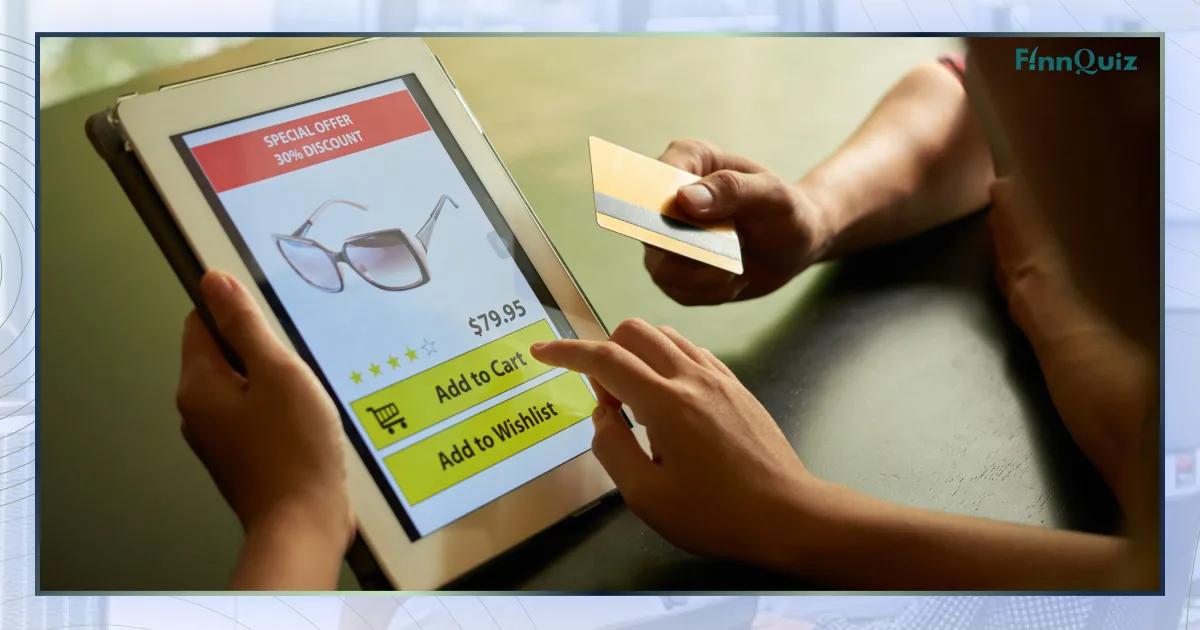
Buy Now, Pay Later (BNPL) has become one of the most common payment options at online and in-store checkouts. Instead of paying the full price upfront or using a traditional credit card, shoppers can split the cost into smaller installments, often with little or no interest if payments are made on time. The convenience is clear. The potential downsides are less obvious to many first-time users. Understanding how BNPL actually works, where it helps, where it creates problems, and how to use it responsibly is essential for anyone who wants to keep their finances under control.
If you are building better money habits or comparing everyday financial tools, practical resources are available at finnquiz.com. Clear information about products like BNPL helps people make decisions that support their goals rather than undermine them.
How Buy Now, Pay Later Works
BNPL is a form of short-term installment credit offered at the point of sale. The most popular version is often called “Pay in 4.” In a typical arrangement, the customer pays roughly 25% of the purchase price at checkout. The remaining balance is divided into three equal payments due every two weeks. Many of these plans charge no interest when every payment arrives on schedule. Some providers also offer longer installment plans for bigger purchases; those may include interest or fees.
When a shopper selects BNPL, the provider usually performs a quick eligibility check. Approval is often faster and less stringent than a traditional credit card application. Once approved, the BNPL company pays the merchant (typically at a discount). The customer then owes the BNPL provider according to the agreed schedule. Ownership of the item usually transfers immediately, just as it would with a regular purchase.
Popular providers partner with thousands of retailers across clothing, electronics, furniture, travel, and everyday goods. The option appears alongside credit cards, debit cards, and digital wallets, making it easy to choose almost without thinking.
Key Benefits of BNPL
BNPL offers several genuine advantages when used carefully.
Improved cash-flow flexibility. Spreading a purchase over several weeks can make necessary or planned items more manageable without tapping savings or high-interest credit cards. For someone who has the money coming in but prefers not to deplete a checking account in one day, the structure can be useful.
Interest-free short-term financing (when paid on time). Many core “Pay in 4” products carry no interest if the schedule is followed. That can be cheaper than carrying a balance on a credit card that charges double-digit annual percentage rates.
Faster and easier approval. People with limited or imperfect credit histories sometimes gain access to installment options that traditional lenders would decline. The soft or limited credit checks used by many BNPL firms lower the barrier to entry.
Simple, predictable payments. Fixed installment amounts and clear due dates make budgeting straightforward for a single purchase. There is no revolving balance that can linger for months or years.
Convenience at checkout. The process is embedded in the shopping flow. Shoppers do not need to apply for a separate loan or leave the retailer’s site.
These benefits explain the rapid growth of the category. When the tool matches a planned purchase, and the user has a reliable way to make every payment, BNPL can function as a practical short-term financing option.
The Real Risks of Buy Now, Pay Later
The same features that make BNPL attractive also create meaningful risks.
It can encourage overspending. Breaking a $200 purchase into four payments of $50 makes the cost feel smaller. That psychological effect often leads people to buy items they would have skipped if the full price were due immediately. Multiple BNPL plans taken out close together can quietly add up to a significant monthly obligation.
Late fees and penalties add up quickly. Missing a payment usually triggers fees. Repeated late payments can lead to account restrictions, collections activity, or additional costs that erase any interest-free advantage.
Credit reporting is inconsistent but increasingly common. Some providers report payment history to credit bureaus; others do not (or report only negative events). A missed payment that does get reported can lower a credit score. Even when positive history is reported, the benefit is often limited compared with responsible credit-card or installment-loan use.
Loan stacking creates hidden debt. Because approval is fast and each purchase is treated as a separate small loan, it is easy to have several active BNPL plans at once. Tracking due dates across different providers and apps becomes difficult. People can lose visibility into their total monthly repayment burden.
Returns and disputes can be complicated. Refund processes sometimes involve both the merchant and the BNPL provider. Delays or miscommunication can leave a customer still owing installments on an item they have already returned.
Weaker traditional consumer protections (though this is changing). Historically, many BNPL products operated with fewer standardized disclosures and dispute rights than credit cards. Regulatory attention has increased in recent years, with clearer rules emerging in several markets, but gaps and variations remain depending on the provider and location.
Impact on overall financial health. Research and consumer reports consistently show that a portion of BNPL users juggle multiple plans, make late payments, or use the service while already carrying other forms of debt. For households with tight budgets or irregular income, the product can amplify stress rather than relieve it.
Smart Ways to Use BNPL
BNPL is neither inherently good nor inherently bad. Outcomes depend heavily on how it is used. The following practices help keep the tool in the “helpful” category:
Use it only for planned purchases you can already afford. If you would not buy the item with cash or a debit card today, BNPL is unlikely to improve the decision. Treat the installment plan as a payment schedule, not permission to stretch beyond your means.
Limit the number of active plans. Keeping only one or two BNPL obligations at a time makes due dates manageable and prevents payment stacking from becoming overwhelming.
Automate payments and monitor due dates. Set calendar reminders or enable autopay from an account that reliably holds sufficient funds. Avoid relying on memory across multiple apps.
Read the full terms before confirming. Note late fees, any interest on longer plans, how returns work, and whether the provider reports to credit bureaus. Conditions vary by company and by product.
Calculate the true monthly impact. Add the BNPL installments to your existing bills and essential expenses. Confirm that the combined total still leaves a comfortable buffer.
Prefer BNPL over high-interest revolving credit when appropriate. If the alternative is carrying a balance on a credit card at 20%+ APR and you are certain you can complete the BNPL schedule, the interest-free structure can be the lower-cost choice. The key is certainty about repayment.
Watch for changes in your behavior. If you notice more frequent impulse purchases, rising stress about due dates, or difficulty covering basic expenses after starting BNPL plans, pause and reassess.
BNPL Versus Traditional Credit Options
Compared with credit cards, BNPL usually offers simpler short-term structure and, on core plans, no interest when paid on time. Credit cards provide ongoing access to funds, broader consumer protections in many jurisdictions, and the ability to build positive credit history through responsible use. They also make it easier to carry long-term debt at high cost.
Store financing and personal loans typically involve longer terms, interest charges, and more formal underwriting. BNPL sits in a middle ground: faster and more accessible than many traditional options, but with greater potential for fragmented, hard-to-track obligations.
The best choice depends on the size of the purchase, the user’s cash-flow reliability, and the importance of credit-building or formal protections.
Closing Thoughts
Buy Now, Pay Later is a convenient tool that can smooth cash flow for planned purchases when used with discipline. Its interest-free short-term structure and easy approval process deliver real benefits for some shoppers. At the same time, the product lowers the psychological barrier to spending, creates opportunities for payment stacking, and can generate fees and credit damage when schedules are missed.
The difference between helpful and harmful use lies in intentionality. People who treat BNPL as a deliberate payment method for affordable items, track every obligation, and avoid multiplying plans tend to experience the upside. Those who use it to stretch beyond their means or who lose track of overlapping due dates often encounter the downsides.
For a clear, practical overview of how BNPL works and how to approach it responsibly, see Buy Now Pay Later Explained: Benefits, Risks, and Smart Use.
Before selecting the BNPL option at checkout, pause and ask three questions: Can I comfortably make every payment on time? Does this purchase fit my actual budget and priorities? Am I already managing other installment plans? Honest answers to those questions turn a convenient payment feature into a tool that supports, rather than complicates, financial stability.