You may reach a point where guessing is no longer enough. Maybe a business partner is acting strangely. Maybe an employee's claim does not feel right. Maybe someone you care about has gone missing, or you need facts before making a serious decision. Private investigators help people find information in a legal and organized way. They gather facts, document evidence, and help clients understand what is really happening. In this guide, you will learn the top reasons individuals and businesses hire private investigators and when professional help may be worth it.
What does a private investigator do?
Private investigators gather, analyze, and report information for legal, financial, and personal matters. They may verify backgrounds, locate missing people, and support investigations.
They also document findings carefully. This matters when information may be used in court or in a formal business decision.
1. Background checks?
Many people hire private investigators to verify someone’s history.
This may include business partners, caregivers, tenants, employees, or people entering personal relationships.
2. Missing persons?
A private investigator can help locate people when standard searches do not work.
This may include relatives, witnesses, debtors, old contacts, or people avoiding contact.
3. Fraud investigations?
Fraud can harm both individuals and companies.
The FTC reported that consumers lost more money to investment scams than any other fraud category in 2024, with reported losses reaching 5.7 billion dollars.
4. Employee misconduct?
Businesses may hire investigators when they suspect theft, policy abuse, time fraud, or workplace misconduct.
A professional investigation can help protect the company while avoiding rushed or unfair decisions.
5. Workers' compensation claims?
Some companies hire private investigators when a claim appears suspicious.
The goal is not to deny fair claims. The goal is to confirm facts when behavior, timing, or evidence raises concern.
6. Infidelity concerns?
Individuals may hire private investigators when they need facts about a relationship.
This is sensitive work. A good investigator follows the law and focuses on documented information, not rumors.
Private investigation use case table
7. Internal fraud?
Companies hire private investigators when numbers, inventory, or reports do not add up.
The Association of Certified Fraud Examiners reports that 43 percent of occupational fraud cases are detected by a tip, which is more than three times the next most common method.
8. Vendor and partner concerns?
A business may need to verify a vendor, contractor, investor, or partner.
This can help reduce risk before signing contracts, sharing data, or making large payments.
9. Legal case support?
Attorneys and individuals may hire investigators to collect facts for civil, family, or criminal defense matters.
Investigators may locate witnesses, review records, document activity, and prepare reports.
10. Online scams and identity concerns?
Online fraud is growing fast.
The FBI reported 859,532 internet crime complaints in 2024, with losses of more than 16 billion dollars.
11. Surveillance needs?
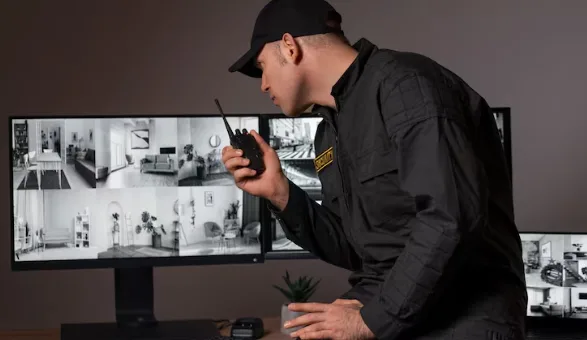
Surveillance may be used when facts need to be observed and documented.
This can help in insurance cases, custody concerns, employee misconduct matters, and business disputes.
12. Asset searches?
Individuals and businesses may need to locate assets during lawsuits, debt recovery, divorce cases, or fraud matters.
An investigator may help identify property, business interests, vehicles, or other public record information.
Why do businesses hire private investigators?
Businesses hire private investigators to reduce risk. They need facts before making serious decisions.
This can protect money, reputation, employees, customers, and daily operations.
Why do individuals hire private investigators?
Individuals hire private investigators when a personal concern needs proof.
This may involve family, relationships, safety, missing people, fraud, or legal support.
What should you look for in a private investigator?
Choose someone licensed where required, trained, professional, and clear about legal limits.
A good investigator explains what can and cannot be done.
What should you avoid?
Avoid anyone who promises illegal access, hacking, wiretapping, or guaranteed results.
Private investigation should be lawful, documented, and ethical.
When is it time to hire a private investigator?
You may need help when the issue is serious, emotional, costly, or legally important.
If facts matter, a professional investigation can help you avoid guessing.
Key Takeaways
- Private investigators help gather facts legally.
- Businesses hire them for fraud, misconduct, claims, and risk checks.
- Individuals hire them for missing persons, relationship concerns, scams, and legal matters.
- Strong documentation matters when decisions are serious.
- Online scams and fraud losses are major reasons people seek help.
- A professional investigator should follow legal and ethical rules.
- The right help can save time, money, and stress.
Get facts before the problem grows
Hiring a private investigator is not about spying for no reason. It is about getting clear facts when the stakes are high. Individuals may need answers about fraud, missing people, relationships, or legal concerns. Businesses may need help with employee issues, vendor checks, theft, claims, or internal fraud. The right investigator can help collect information, document findings, and support better decisions. Guessing can waste time and create more risk. Safety First Protection Services can help individuals and businesses take a smarter approach by focusing on safety, facts, professionalism, and practical next steps.
FAQs
What does a private investigator do?
A private investigator gathers facts, verifies information, documents evidence, and helps clients understand personal, legal, or business concerns.
Can businesses hire private investigators?
Yes. Businesses often hire private investigators for fraud, theft, employee misconduct, vendor checks, and claim concerns.
Can a private investigator find a missing person?
Yes. Private investigators often help locate missing people, witnesses, debtors, relatives, or people who are hard to reach.
Are private investigators legal?
Yes, when they follow the law. They cannot hack accounts, trespass, wiretap, or access private records illegally.
When should I hire a private investigator?
Hire one when you need facts, proof, or documentation before making an important personal, legal, or business decision.