
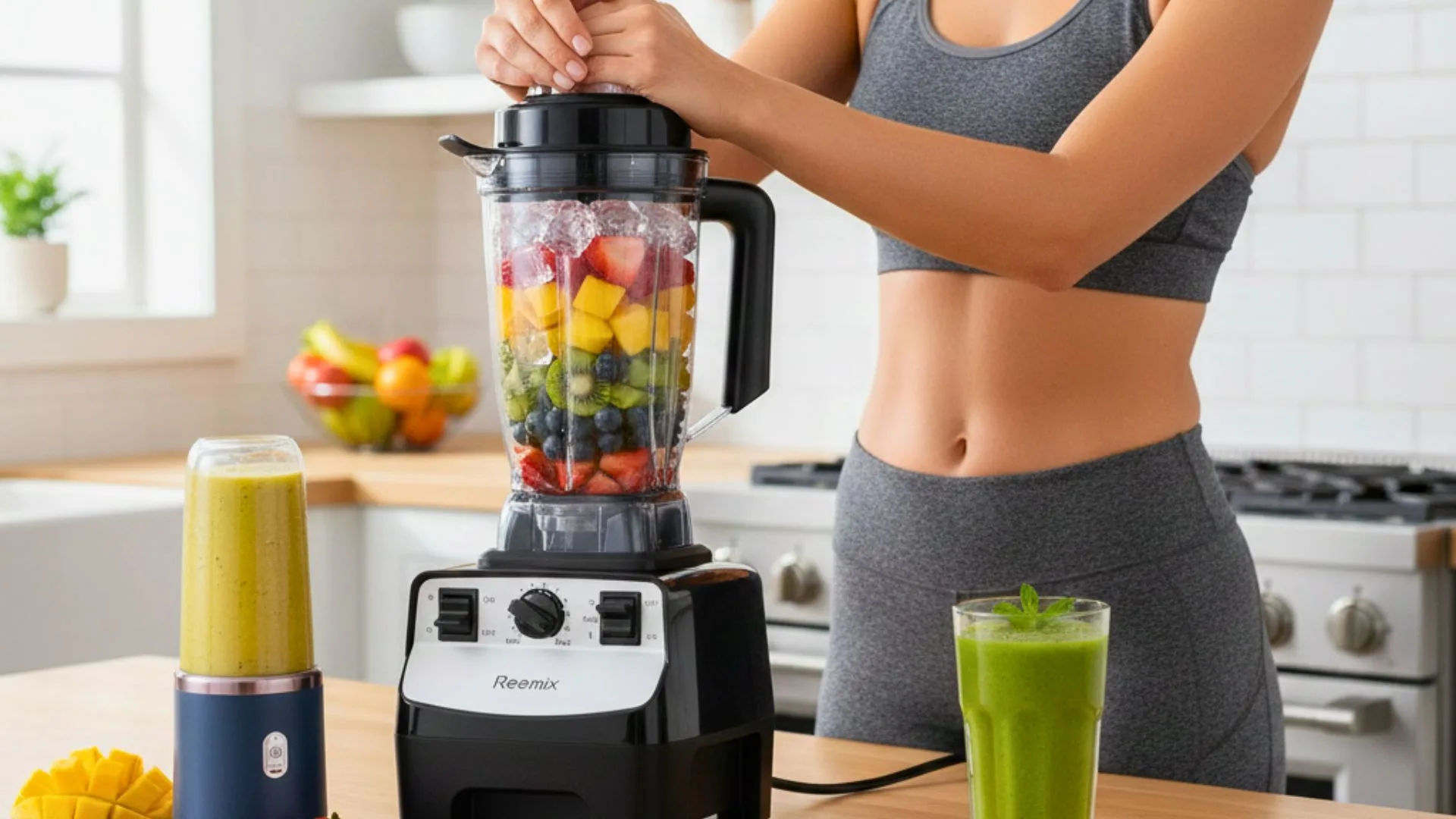
An Electric Juicer turns fresh fruit and vegetables into a drink in minutes, no chopping marathon required. If you've been buying bottled juice at the grocery store and wondering if it's worth the switch to homemade, this guide should settle it.
Juicing at home isn't new, but the tools have gotten a lot better. Motors are quieter, cleanup is faster, and prices have dropped enough that a decent machine no longer feels like a splurge. Below are ten real reasons people across the USA are adding one to their kitchen counter.
Why Should You Buy an Electric Juicer Instead of Store-Bought Juice?
Bottled juice sits on a shelf for weeks before you buy it. Even the "cold-pressed" versions in the refrigerated aisle lose nutrients over time.
With an Electric Juicer, you drink the juice within minutes of making it. Vitamin C and other sensitive nutrients don't have time to break down.
You also control what goes in the glass. No added sugar, no preservatives, no mystery ingredients.
How Does Juicing Support a Healthier Daily Routine?
A glass of fresh juice is an easy way to get more fruits and vegetables into your day, especially on mornings when a full breakfast isn't happening.
Kale, spinach, beets, and carrots aren't exactly foods most people crave raw. Juicing them makes them drinkable, and a lot more people will actually eat their vegetables this way.
Over time, that adds up. Small daily habits tend to matter more than occasional big efforts.
What Makes an Electric Juicer Better Than Manual Juicing?
Squeezing lemons by hand is fine for one drink. Juicing a bag of carrots by hand is a different story.
An Electric Blender or juicer does the work in a fraction of the time. Most machines process a full batch of produce in under five minutes.
There's less mess too. Manual juicing tends to splatter; a machine keeps most of the process contained.
Can an Electric Juicer Save You Money Over Time?
A single bottle of cold-pressed juice at a juice bar often costs $8 to $10. Buy that a few times a week and it adds up fast.
Making the same drink at home usually costs a couple of dollars in produce. The machine pays for itself within a few months for most regular juice drinkers.
Buying fruits and vegetables in bulk when they're in season cuts the cost even further.
Does Fresh Juice Actually Taste Better?
Yes, and the difference is noticeable. Store-bought juice is often pasteurized, which changes the flavor and mutes some of the natural sweetness.
Fresh juice tastes closer to the produce itself. An apple-carrot-ginger blend, for example, has a brightness that bottled versions rarely match.
You can also adjust the recipe to your own taste instead of settling for whatever's on the shelf.
What Types of Drinks Can You Make With a Juicer & Blender Combo?
A Juicer & Blender setup opens up more than just juice. You can make:
- Fresh fruit and vegetable juices
- Green smoothies with added protein powder
- Nut milks
- Soups (using the blender function)
- Frozen fruit sorbets
Having both tools, or a combo machine, means fewer gadgets cluttering your counter.
Is a Portable Blender a Good Option for Juicing on the Go?
If your mornings are rushed, a Portable blender is worth considering alongside a traditional juicer. It's compact, often USB-rechargeable, and easy to take to the gym or office.
It won't replace a full-sized juicer for whole fruits with skins and seeds, but for pre-cut produce or smoothie packs, it gets the job done in a pinch.
For people who travel often, this is a practical middle ground.
How Much Time Does Juicing Actually Take Each Day?
Most people assume juicing eats up their morning. In practice, prepping produce and running it through the machine takes about 10 minutes.
Cleanup is usually the part people worry about most, but many modern juicers have dishwasher-safe parts, which cuts that time down significantly.
Once it becomes part of your routine, it stops feeling like a chore.
What Should You Look for When You Shop for the Best Electric Juicer?
If you're ready to buy, here's what matters most. Shop Best Electric Juicer models that offer a wide feed chute, since this cuts down on chopping time. A powerful motor, around 700 watts or higher, handles leafy greens and hard vegetables without straining.
Also check for:
- Easy-to-clean parts
- A pulp container that's easy to empty
- Quiet operation if you juice early in the morning
- A warranty of at least one year
These details separate a machine you'll actually use daily from one that ends up in a cabinet.
Are Electric Juicers Worth It for Families?
Families with picky eaters often find juicing helpful. Kids who won't touch a plate of spinach will sometimes drink it blended with apple and pineapple.
It's also a way to use up produce before it goes bad. Slightly wilted greens or overripe fruit that wouldn't look appealing on a plate still juice just fine.
For a household trying to eat better without a full diet overhaul, it's a manageable place to start.
Frequently Asked Questions
1. Where can I buy an electric juicer in the USA?
You can shop for an Electric Juicer online through the Juicer & Blender collection, which ships across the USA.
2. What is the average price of an electric juicer in the USA?
Prices typically range from $40 for basic centrifugal models to $200 or more for masticating or cold-press juicers.
3. Are expensive electric juicers worth the extra cost?
Higher-end masticating juicers extract more juice per pound of produce and preserve more nutrients, which can make the extra cost worthwhile for daily users.
4. How do I clean an electric juicer after each use?
Most machines have removable parts that are dishwasher-safe or can be rinsed under warm water within a few minutes of use, before pulp dries and sticks.
5. What fruits and vegetables work best in an electric juicer?
Apples, carrots, celery, beets, oranges, and leafy greens like kale and spinach all juice well and are commonly used in homemade recipes.
6. Can I juice frozen fruit in an electric juicer?
Most standard juicers are designed for fresh produce; frozen fruit is better suited to a blender unless the juicer specifically states it can handle frozen ingredients.
7. How long does fresh juice stay good in the refrigerator?
Fresh juice is best consumed within 24 to 48 hours and should be stored in an airtight container to slow nutrient loss.
8. What's the difference between a centrifugal and a masticating juicer?
Centrifugal juicers work faster using high-speed spinning blades, while masticating juicers press produce slowly, which usually yields more juice and less heat damage to nutrients.
9. Do I need both a juicer and a blender at home?
Not necessarily. A combo Juicer & Blender unit or a Portable blender can cover most smoothie and juice needs if kitchen space is limited.
10. Is it cheaper to buy fresh juice or make it at home in the USA?
Homemade juice is almost always cheaper long-term, since a store-bought cold-pressed juice can cost several times more than the raw produce needed to make the same amount at home.