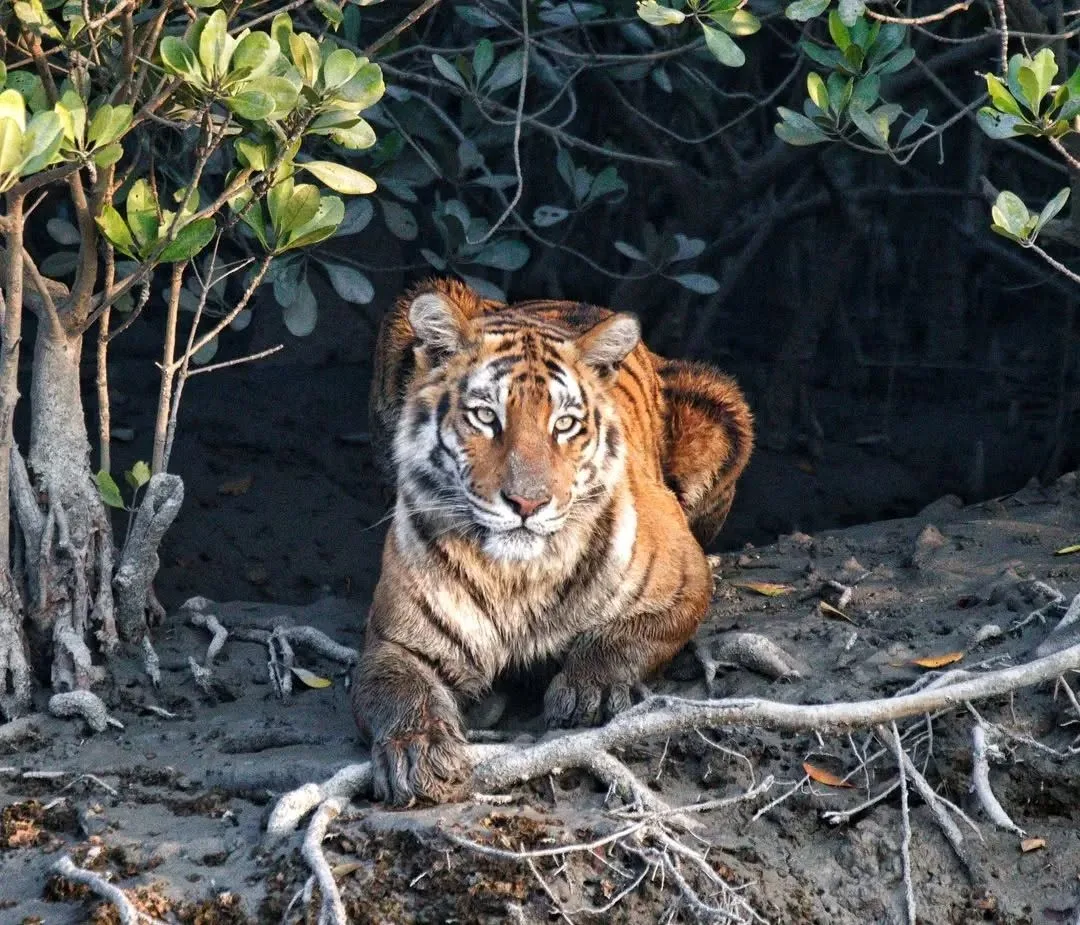
One of the most exciting places in the world for wildlife and photo enthusiasts is the Sundarban. The Royal Bengal Tiger is found in this UNESCO World Heritage Site that boasts of its dense mangrove forest and winding waterways. There are many wildlife photographers, it's a challenge and a dream to get close to this majestic predator.
It does not matter whether you are a novice or advanced photographer. It is knowing the different situations in the Sundarban area can greatly enhance the possibilities for an image of the perfect qualities. These are some key tips to help you achieve your best photos in this amazing environment.
Understanding Tiger Behavior
The key to taking tiger portraits is knowledge of tiger behavior. The terrain in the Sundarbans is quite different from any other forest where the tigers are forced to develop special skills; swimming, walking in water channels, for instance.
- The Tigers are active in the early morning and late afternoon.
- They are often found in heavy understory
- Movement is sometimes erratic; there is a need for patience.
- The pugmarks and deer alarm calls or bird activity may indicate the presence of a tiger.
Picking The Right Camera Equipment
The correct gear can make a world of difference in wildlife photography.
- Camera Body: Fast Autofocus DSLR or Mirrorless Camera
- Lens: Tele photo lens (300mm-600mm or longer) is the best choice when taking photos of distant objects
- On boat safaris: You can use image stabiliser lenses.
- Accessories: Additional batteries, memory cards, and lens cleaning supplies
- In most cases, photography is conducted from a boat, so handheld or monopods are better to use than tripods.
- You can read it as if it were a light and timing manual.
- The lighting is an important aspect of wildlife photography.
- The Golden hours (sunrise and sunset) offer soft and warm lighting
- Just try to avoid strong lighting from the middle of the day which creates strong shadows
- Evenly diffused lighting can come through overcast days.
- You should stand with the light on the subject and not behind. This improves the detail and colour of your photographs.
Accommodate to Boat Based Shooting
The photography in the Sundarbans is primarily done on boats, as opposed to traditional safaris.
- Keep body balanced and stable when shooting
- You can use longer shutter speeds (1/1000 or greater) to minimize any movement blur
- Just predict movement of boats when they are floating on the current
- There is a close connection to the boat guide – he or she will see animals first.
- Just for sharp images just use the following camera settings.
When dealing with fast-moving animals such as Tigers, proper settings are an important factor to consider in capturing the images:
- Shutter Speed: 1/1000 seconds or higher to freeze action
- Focal length: 16 mm (standard telephoto lens)
- ISO: Increase as necessary, depending on light, do not be afraid to increase ISO in low light situations
- Focus Mode: Continuous Autofocus (AI Servo / AF-C)
It is recommended to use Burst mode for shooting quick shots of sudden movements.
Patience and Persistence
It takes a lot of patience to get good photos of wildlife in the Sundarbans. It's difficult to spot a tiger, and even with the best of efforts, photographers might not see one for days.
- Be vigilant and alert at all times
- Realize there are moments that are perfect for taking a photo.
- Take pleasure in the process, not the outcome.
- Sometimes the greatest of shots are taken when unexpected.
- Capture the Environment
- The tiger is the show stopper but don't overlook the spectacular setting.
- Just use mangroves, river and reflections in the composition
- The photograph wildlife such as spotted deer, crocodiles and birds.
- You can utilise wide angle shot to communicate a wider story.
- These are all factors that will give your photography portfolio some context and depth.
- Remember to be quiet and treat wildlife with respect!
- It is essential to respect nature in the pursuit of safety and moral photography.
- Just don't make loud noises or sudden movements
- You should never attempt to lure animals for a shot.
- Just comply with forest rules and regulations
- Keep in mind that you are in their home!
Make Sure You Have Expert Guides Working With You
The local guides in the Sundarbans are also extremely knowledgeable about Sundarban Wildlife Photography Tour and the area and the animal movements.
- They are able to see animal signs rapidly
- They are aware of the best places to observe.
- They have experience so it improves the likelihood of success.
- A good guide offer good photo session!
Final Thoughts
Sundarban wildlife photography is not an easy task, it is challenging and rewarding at the same time. It takes skill, patience and luck to catch the elusive Royal Bengal Tiger. The key to capturing that once in a lifetime image with a high likelihood of success is understanding the environment, having the proper gear and employing proper photographic etiquette.
It is more than just a photography trip, a journey through the Sundarbans is an adventure into one of the most unique ecosystems on Earth. If you don't get a tiger on your camera, you'll still have great memories and photos to look back on.