
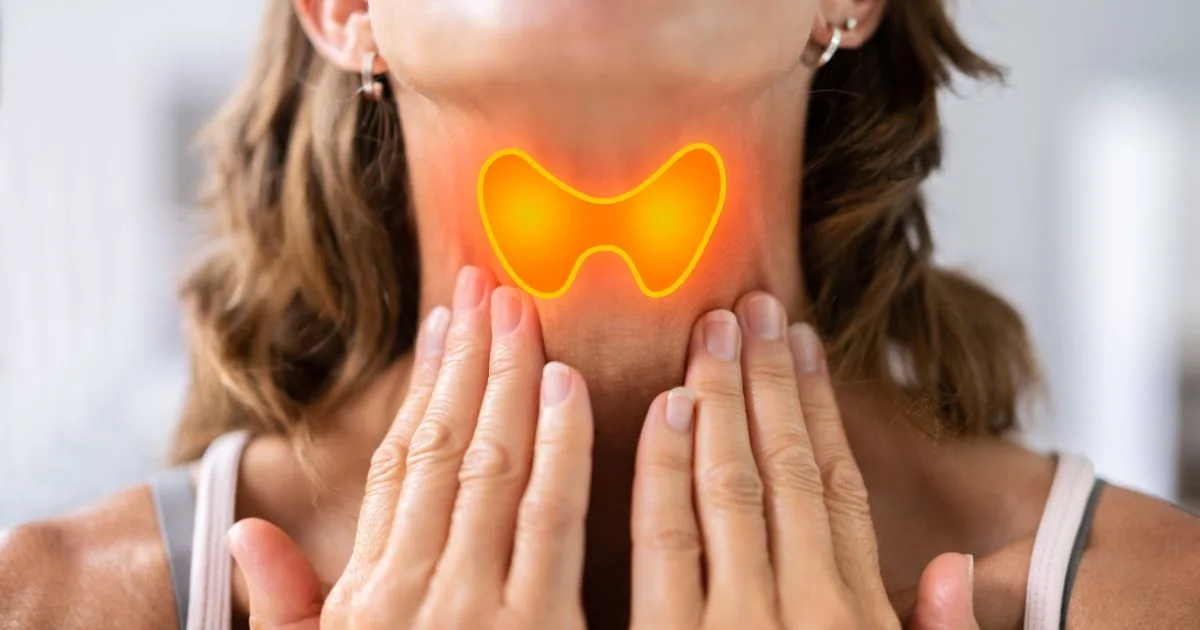
Thyroid gland surgery is a medical procedure. It removes part or all of the thyroid gland. This is done when other treatments cannot manage a thyroid problem safely or effectively. It may be recommended for thyroid cancer, suspicious thyroid nodules, a large goiter, or certain cases of hyperthyroidism. The type of operation depends on the thyroid condition, its size, location, test results, and the patient's overall health.
Why Thyroid Gland Surgery May Be Recommended
Thyroid problems can vary greatly from one patient to another. Some nodules are harmless and only require observation. Others may need a biopsy, medication, or surgery. Thyroid gland surgery is an important treatment option when a nodule may be cancer. It is also used when the thyroid becomes very enlarged. Surgery can also help when excess thyroid hormone causes problems that are hard to control.
What Is the Thyroid Gland?
The thyroid is a small, butterfly-shaped gland in the lower front of the neck. It produces hormones that help regulate metabolism, body temperature, heart function, muscles, and other important body processes. Because the gland sits close to the windpipe, food pipe, vocal cord nerves, and parathyroid glands, careful surgical planning is essential.
When Is Thyroid Gland Surgery Needed?
Thyroid Gland Surgery may be advised for several different conditions. A suspicious thyroid nodule may require removal when testing suggests a significant risk of cancer. Thyroid cancer may require removal of part or all of the gland. A large goiter can also cause pressure, swallowing difficulty, breathing problems, or discomfort. In selected patients with hyperthyroidism, surgery may provide a definitive treatment.
Thyroid Gland Surgery for Thyroid Cancer
Thyroid cancer is one of the most important reasons for thyroid removal. The extent of surgery depends on the type and size of the cancer, whether it is limited to one part of the gland, and whether nearby lymph nodes are involved. Some patients may need a thyroid lobectomy, while others may require total thyroidectomy with additional neck surgery.
Thyroid Gland Surgery for Goiter
A goiter is an enlarged thyroid gland. Not every goiter needs surgery. However, an enlarged gland may require treatment when it causes difficulty swallowing, breathing problems, pressure in the neck, or other significant symptoms. Surgery can remove the enlarged thyroid tissue and relieve pressure on nearby structures when appropriate.
Thyroid Gland Surgery for Hyperthyroidism
Hyperthyroidism occurs when the thyroid produces too much hormone. Medicines and radioactive iodine are common treatments, but surgery may be considered in selected cases. It can be useful when a patient has a large goiter, certain thyroid nodules, or other reasons that make alternative treatments unsuitable. Patients with hyperthyroidism usually need careful medical preparation before an operation.
Types of Thyroid Gland Surgery
The amount of thyroid tissue removed depends on the diagnosis. A thyroid lobectomy removes one thyroid lobe. A total thyroidectomy removes the entire gland. In some situations, a surgeon may combine thyroid removal with lymph node surgery, particularly when cancer has spread or there is a strong concern about lymph-node involvement.
Thyroid Gland Surgery Options at a Glance
Surgical optionWhat it involvesCommon reasonsThyroid lobectomyRemoval of one thyroid lobeSelected nodules or smaller cancersTotal thyroidectomyRemoval of the entire thyroidCertain cancers, large goiters, selected thyroid disordersThyroidectomy with lymph node surgeryThyroid removal with removal of affected or suspicious lymph nodesSome thyroid cancersMinimally invasive approachesSmaller or alternative access incisions in selected patientsCarefully selected casesHow Thyroid Gland Surgery Is Performed
Thyroid Gland Surgery is generally performed under general anesthesia. The surgeon makes an incision in the lower part of the neck and carefully exposes the thyroid. The diseased thyroid tissue is then removed while protecting nearby structures. In some cases, specialized equipment may be used to help monitor the nerves responsible for vocal cord movement.
How Doctors Prepare Patients Before Surgery
Before Thyroid Gland Surgery, your doctor may review thyroid blood tests, ultrasound findings, biopsy results, medications, and other medical conditions. Patients with thyroid cancer may require additional imaging or lymph-node assessment. Those with hyperthyroidism may need medicines before surgery to bring thyroid hormone levels under better control.
What Happens During Recovery?
Recovery after Thyroid Gland Surgery varies according to the extent of the operation and the patient's health. Some people return home on the same day, while others remain in hospital overnight. Mild neck discomfort, swelling, or temporary voice changes can occur. Your surgeon will provide instructions about wound care, activity, medicines, and follow-up appointments.
What Are the Possible Risks?
Like every operation, Thyroid Gland Surgery carries potential risks. These can include bleeding, infection, temporary or permanent voice changes, and low calcium levels caused by injury or dysfunction of the parathyroid glands. Serious complications are uncommon, but patients should understand the risks before making a treatment decision.
Why Can Voice Changes Occur?
The thyroid lies close to nerves that control the vocal cords. These nerves must be identified and protected during surgery. Temporary hoarseness can occur after an operation and may result from irritation related to surgery or anesthesia. Permanent voice weakness is uncommon but can occur if a vocal cord nerve is seriously injured.
What Happens to Calcium Levels?
The parathyroid glands are small glands located behind the thyroid. They help control calcium levels in the blood. If their function is temporarily or permanently affected during surgery, calcium levels may fall. Symptoms can include tingling, numbness, or muscle cramps, which require medical assessment and appropriate treatment.
Will You Need Thyroid Hormone After Surgery?
After a total thyroidectomy, the body cannot produce thyroid hormone naturally. Patients therefore need thyroid hormone replacement, usually levothyroxine, for life. After a lobectomy, the remaining thyroid tissue may produce enough hormone, although some patients can still develop hypothyroidism and require medication.
How Long Does It Take to Recover?
Most patients can gradually return to normal daily activities after surgery. Heavy lifting and strenuous exercise are usually avoided for a period recommended by the surgeon. The neck scar normally improves over time, although the final appearance can continue to change for many months. Individual recovery times depend on the procedure and the patient's health.
How to Choose the Right Thyroid Surgeon
Choosing an experienced surgeon is an important part of planning Thyroid Gland Surgery. Thyroid procedures involve delicate structures in the neck, so surgical experience, accurate diagnosis, careful technique, and appropriate follow-up all matter. Recent American Thyroid Association patient information also highlights evidence that higher-volume thyroid surgeons tend to have better outcomes and fewer complications.
Thyroid Gland Surgery at Best ENT Specialist Lahore
At Best ENT Specialist Lahore, thyroid and head-and-neck conditions are assessed with an emphasis on accurate diagnosis, individualized treatment planning, and safe surgical care. Brig. Dr. Zubair brings more than 35 years of clinical and surgical experience in ENT, head and neck surgery, thyroid procedures, and related conditions. Patients can discuss their diagnosis, available treatment choices, expected recovery, and follow-up needs before deciding on surgery.
Five Important Things to Know
1. Thyroid Gland Surgery Is Not the Same for Everyone
The right procedure depends on the underlying condition. Some patients need only one thyroid lobe removed, while others require complete removal. The goal is to remove the necessary tissue while preserving healthy structures whenever possible.
2. A Thyroid Nodule Does Not Always Mean Cancer
Many thyroid nodules are benign. Doctors may use ultrasound, blood tests, fine-needle aspiration biopsy, and other assessments to determine whether a nodule needs observation or treatment. Surgery is considered when the clinical and test findings support it.
3. Total Removal Means Lifelong Hormone Replacement
When the complete thyroid gland is removed, lifelong thyroid hormone replacement is required. Regular blood tests help doctors adjust the dose and maintain appropriate hormone levels.
4. Surgical Experience Matters
The thyroid is located near important nerves, blood vessels, the windpipe, and parathyroid glands. An experienced thyroid surgeon understands this anatomy and can plan the operation around the patient's individual risks and diagnosis.
5. Follow-Up Is Part of the Treatment
Surgery is not always the final step. Patients may need thyroid hormone monitoring, pathology review, wound checks, calcium assessment, or additional treatment depending on the diagnosis. Long-term follow-up is especially important after thyroid cancer treatment.
What Should You Ask Before Thyroid Gland Surgery?
Before Thyroid Gland Surgery, patients should understand why surgery is being recommended and what alternatives may be available. Ask whether you need a lobectomy or total thyroidectomy, whether lymph nodes require evaluation, what complications are possible, whether hormone replacement will be necessary, and how long recovery is expected to take. These questions can make the treatment plan easier to understand.
How Can You Prepare for Surgery?
Preparation depends on your medical condition. Follow your surgeon's instructions about medicines, eating and drinking, thyroid control, and other medical issues. Tell your healthcare team about all medicines and supplements you use. Arrange transportation home and follow the hospital's instructions for the day of surgery.
What Should You Watch for After Surgery?
After Thyroid Gland Surgery, patients should follow their discharge instructions carefully. Increasing neck swelling, breathing difficulty, significant bleeding, severe weakness, or symptoms suggesting low calcium require prompt medical attention. Your healthcare team should provide clear instructions about when to seek urgent help.
Why Personalized Care Matters
No two thyroid conditions are exactly alike. A treatment that is suitable for one patient may not be appropriate for another. Personalized assessment helps balance the benefits of surgery with its possible risks. It also helps determine the amount of thyroid tissue that needs to be removed and the follow-up care that will be required.
Frequently Asked Questions About Thyroid Gland Surgery
What is Thyroid Gland Surgery?
Thyroid Gland Surgery is an operation that removes part or all of the thyroid gland. It may be used for thyroid cancer, suspicious nodules, large goiters, and selected cases of hyperthyroidism.
How is Thyroid Gland Surgery performed?
The procedure is usually performed under general anesthesia through an incision in the lower neck. The surgeon removes the required thyroid tissue while carefully protecting nearby nerves and parathyroid glands.
Why is Thyroid Gland Surgery recommended for some nodules?
Surgery may be recommended when a thyroid nodule is suspicious for cancer, produces excess hormone, causes pressure symptoms, or cannot be adequately classified through other testing.
What are the main risks of Thyroid Gland Surgery?
Important risks include bleeding, infection, voice changes, and low calcium levels related to parathyroid problems. Your individual risk depends on the diagnosis, type of surgery, and other health factors.
How long will I need thyroid medicine after surgery?
If the entire thyroid is removed, thyroid hormone replacement is needed for life. After partial removal, some patients maintain normal thyroid function, while others may eventually require hormone replacement.
Trusted Sources for Patient Information
For reliable medical information, patients can review the thyroid resources provided by the National Institute of Diabetes and Digestive and Kidney Diseases (NIDDK), the American Thyroid Association, and Mayo Clinic's thyroidectomy information. Wikipedia also provides general background on thyroidectomy, but treatment decisions should be based on advice from a qualified healthcare professional and appropriate clinical evaluation.
Final Thoughts on Thyroid Gland Surgery
Thyroid Gland Surgery can be an effective treatment for several thyroid disorders when surgery is medically appropriate. Understanding the reason for surgery, the type of procedure, possible risks, hormone replacement, and recovery can help patients make informed decisions. A detailed consultation with an experienced ENT or head-and-neck surgeon is the best way to determine whether surgery is suitable for your specific condition.
About the Author
Brig. Dr. Zubair's ENT Clinic is a trusted specialist healthcare clinic providing comprehensive Ear, Nose, Throat, Head & Neck diagnosis, treatment, and advanced surgical care. Led by Brig. Dr. Zubair, the clinic brings over 35 years of clinical and surgical experience. Services include thyroid surgery, head and neck surgery, ENT care, sinus treatment, ear surgery, hearing disorders, vertigo, sleep apnea, cosmetic ENT procedures, and oncological surgery. The clinic is located at SURGIMED, 1-Zafar Ali Road, Gulberg III, Lahore, Pakistan. Phone: +92 332 2223438. Website: bestentspecialistlahore.com