Tattoos can be powerful forms of self-expression. They can represent a memory, a belief, a relationship, or simply a moment in time when a design felt meaningful. But life moves forward. Interests change, relationships evolve, and sometimes a tattoo that once felt perfect no longer fits the person you’ve become.
Years ago, removing a tattoo was difficult and often left noticeable marks on the skin. Today, technology has changed that story. Modern laser treatments give people the chance to gradually fade or remove tattoos with much greater precision.
Many people searching online for laser tattoo removal in Hamilton are simply looking for reliable information before deciding whether the process is right for them. If you’ve ever typed something like Tattoo Removal Near Me into a search engine, you’re not alone. Curiosity about removal has grown as the technology continues to improve.
This guide explains how tattoo removal works, what to expect during treatment, and how people can move toward clearer skin in a safe and realistic way.
Why People Choose to Remove a Tattoo
Every tattoo has a story, but not every story lasts forever.
Sometimes the design represents a time in life that has passed. Other times, the artwork may have faded or stretched as the skin changed. In some cases, the tattoo simply didn’t turn out the way the person hoped.
Here are a few common reasons people decide to remove their tattoos:
- The design no longer reflects their identity
- The tattoo was done poorly or unevenly
- A name or symbol connected to a past relationship
- Career or professional reasons
- The desire to replace the tattoo with a new design
Think of a tattoo like a hairstyle from a decade ago. At the time, it might have felt trendy or meaningful. Years later, your taste might be completely different.
Tattoo removal simply gives people the option to move forward without feeling tied to something permanent.
How Laser Tattoo Removal Works
To understand tattoo removal, it helps to first understand how tattoos stay in the skin.
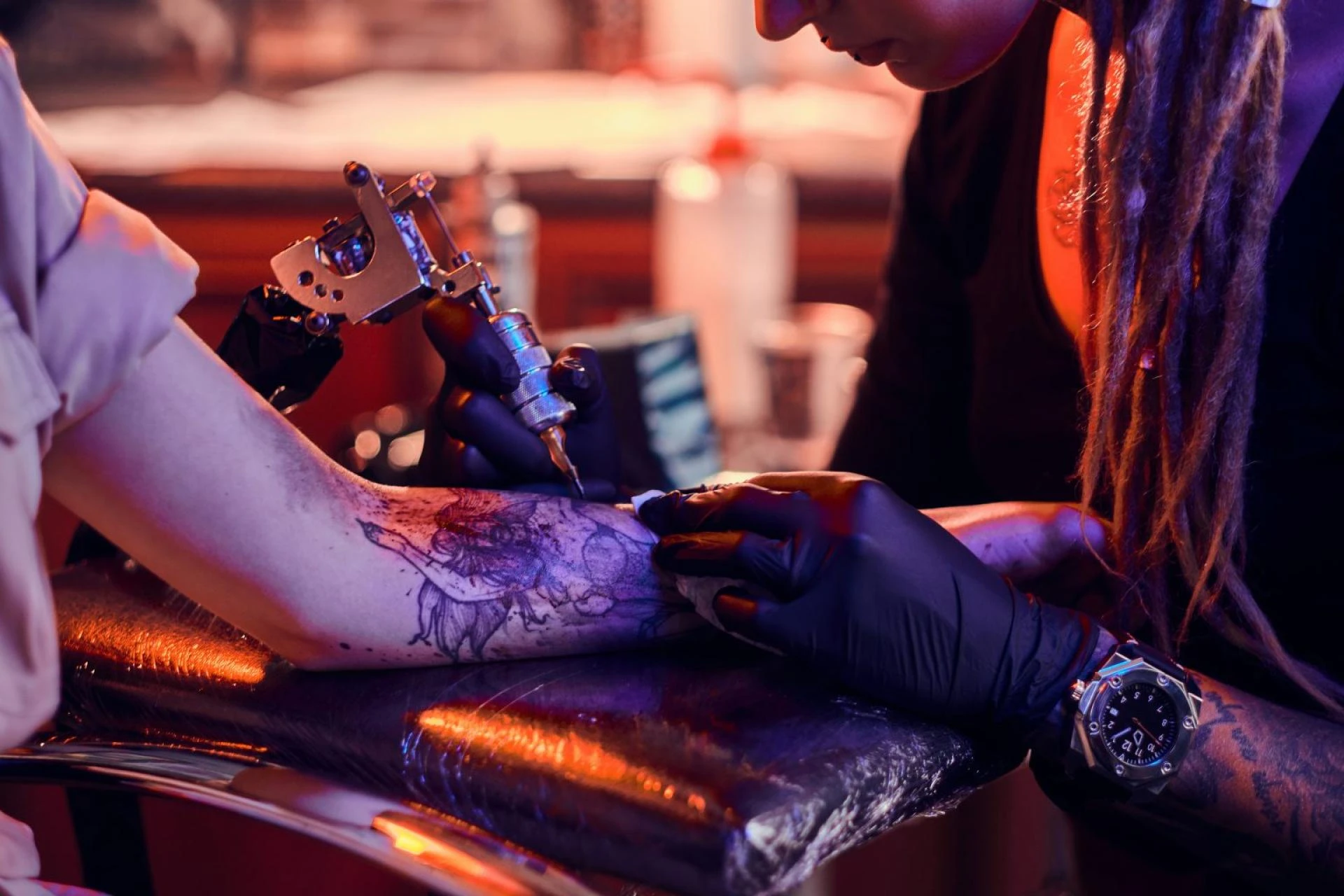
When a tattoo artist creates a design, tiny ink particles are placed below the outer layer of the skin. These particles are large enough that the body cannot easily remove them, which is why tattoos last so long.
Laser removal works by breaking those particles into much smaller pieces.
A helpful way to picture this is to imagine breaking a large rock into gravel. Once the rock becomes small enough, it’s easier to carry away.
The laser sends quick bursts of light energy into the tattoo. That light breaks the ink into tiny fragments. After that happens, the body’s natural systems slowly remove those fragments over time.
As the body clears the ink, the tattoo begins to fade.
Why Tattoo Removal Happens Gradually
One common misunderstanding is that a tattoo can disappear in a single appointment. In reality, removal is a gradual process.
There are several reasons for this.
The Ink Is Deep in the Skin
Tattoo pigment sits below the surface of the skin. The laser can break it up, but it usually takes several sessions to reach and treat all the layers.
Your Body Needs Time
After each treatment, the body works to remove the broken ink particles. This process can take several weeks.
Tattoos Are Made With Different Colors
Dark colors like black or navy often respond faster to treatment. Lighter shades such as green or yellow may take more time.
Because of these factors, tattoo removal works a bit like slowly erasing pencil marks. Each session fades the design a little more until the image becomes faint or disappears.
What Happens During a Treatment Session
For many people, the idea of laser treatment sounds intimidating simply because they don’t know what to expect.
In reality, most appointments follow a straightforward process.
1. Initial Consultation
A specialist looks at the tattoo and discusses your goals. They consider the tattoo’s size, color, age, and location on the body.
This evaluation helps estimate how many treatments may be needed.
2. Preparing the Skin
The skin is cleaned before treatment begins. Some clinics use cooling devices or numbing creams to make the experience more comfortable.
3. Laser Application
The technician uses a handheld device that sends quick pulses of laser energy into the tattoo.
Many people say the feeling is similar to a small rubber band lightly snapping against the skin. The session itself is usually quite fast, especially for smaller tattoos.
4. Aftercare
Once the treatment is finished, the skin may look slightly red or feel warm for a short time. Proper aftercare helps the skin recover and encourages the fading process.
Clinics such as Erase My Ink focus heavily on aftercare guidance so clients know how to protect the treated area between visits.
How Long the Process Takes
Tattoo removal requires patience. The full timeline depends on several factors, including:
- The size of the tattoo
- The depth of the ink
- The colors used in the design
- Your skin type
- How your immune system responds
Sessions are typically spaced several weeks apart. This break allows the body to remove the broken ink particles before the next treatment.
Some tattoos begin fading quickly, while others require more time.
Imagine washing a dark stain out of fabric. It rarely disappears after the first rinse. But with repeated cleaning, the stain gradually fades.
Tattoo removal works in a similar way.
Factors That Affect How Easily a Tattoo Fades
Not all tattoos respond the same way to treatment.
Several details influence the process.
Tattoo Age
Older tattoos often fade faster because the ink has already started breaking down naturally over time.
Ink Density
A tattoo with heavy shading or thick ink layers may require additional sessions.
Location on the Body
Areas with strong blood circulation sometimes clear ink particles more quickly.
Skin Health
Healthy skin and a strong immune system can support the fading process.
Because every tattoo is unique, professionals typically evaluate each design individually before recommending a treatment plan.
Safety and Modern Technology
Laser tattoo removal has improved significantly over the years.
Older methods sometimes involved cutting or grinding the skin, which could leave noticeable scars. Today’s laser systems are designed to focus on the ink pigment while minimizing impact on the surrounding skin.
When performed by trained specialists, modern removal treatments are generally considered safe.
Professional clinics monitor skin response carefully during each session and adjust the treatment as needed.
This personalized approach helps ensure that the process remains as gentle as possible.
Benefits of Removing Unwanted Ink
Choosing to remove a tattoo is a personal decision, but many people report feeling relieved once they begin the process.
Some of the most common benefits include:
Renewed Confidence
Removing a tattoo that no longer fits your identity can help you feel more comfortable in your own skin.
Freedom for a New Design
Some individuals lighten an existing tattoo so a new piece of artwork can be placed over it.
Professional Opportunities
For certain careers, reducing visible tattoos can be helpful.
A Sense of Closure
For some people, removing a tattoo connected to a past relationship or life chapter can feel emotionally freeing.
Clinics like Erase My Ink often hear from clients who simply want to move forward without carrying a reminder of something that no longer represents them.
Tips for Getting the Best Results
While the laser does the work of breaking down ink, your daily habits can also influence the results.
Here are a few simple tips that can help the process go smoothly:
Follow Aftercare Instructions
Caring for the treated area helps the skin heal properly and reduces the chance of irritation.
Protect Your Skin From the Sun
Excessive sun exposure can make the skin more sensitive during the removal process.
Stay Healthy
Drinking water, getting rest, and maintaining overall health can support the body’s natural ink-clearing process.
Be Patient
Tattoo removal is a journey rather than a quick fix. Consistency and patience often lead to the best outcomes.
Why More People Are Considering Tattoo Removal
In recent years, tattoo culture has grown tremendously. Millions of people have tattoos, and many love them for life.
At the same time, people also value flexibility. As personal style evolves, the ability to remove or adjust tattoos has become increasingly appealing.
Advances in laser technology have made removal far more accessible than it once was. Today, people have options they simply didn’t have in the past.
For many individuals, that option brings peace of mind.
Conclusion
Tattoos are meant to capture moments, memories, or creative ideas. But just like any other form of self-expression, they don’t always remain meaningful forever.
Modern laser technology now makes it possible to gradually fade unwanted ink and restore clearer skin. The process works by breaking tattoo pigment into smaller particles so the body can naturally remove them over time.
While the journey requires patience, many people find the results worth the effort. With experienced professionals guiding the process and proper care between sessions, tattoo removal has become a realistic option for those ready to move on from old ink.
For anyone considering a change, learning about the process is the first step toward deciding what comes next.