
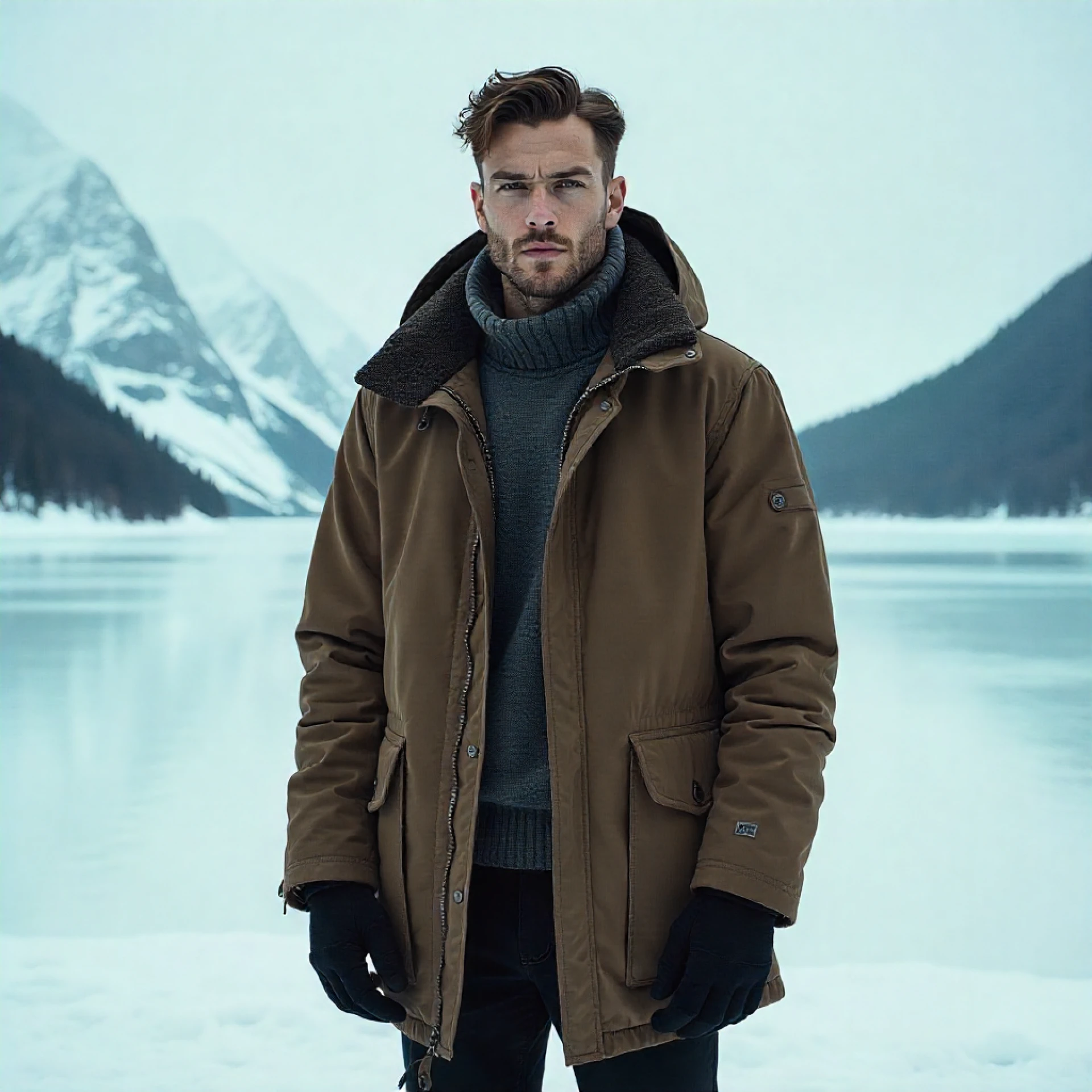
Winter demands clothing that not only protects from cold but also keeps you comfortable throughout the day. This is where thermal wear becomes essential. Designed to act as a base layer, thermal wear helps trap body heat while allowing flexibility and breathability.
Unlike heavy winter garments, thermal wear is lightweight and fits close to the body. It works by creating insulation, ensuring that your body stays warm even in chilly conditions. Whether you are stepping out for work, traveling, or relaxing at home, investing in high-quality thermal wear can significantly improve your winter experience.
What Is Thermal Wear and How Does It Work?
Thermal wear is specially designed inner clothing that helps maintain body temperature. It is worn underneath regular clothes to provide an extra layer of warmth. The unique fabric structure of thermal wear traps heat and prevents cold air from reaching the skin.
The effectiveness of thermal wear comes from its ability to:
- Retain body heat efficiently
- Allow air circulation to prevent overheating
- Absorb moisture and keep the body dry
- Provide comfort for long hours
Because of these features, thermal wear is widely used during winter months.
Key Features to Look for in Thermal Wear
When selecting thermal wear, understanding its features helps ensure maximum comfort and performance.
1. Heat Retention
The primary function of thermal wear is to keep the body warm. Good thermals trap heat close to the skin, creating a natural insulation layer.
2. Breathable Fabric
High-quality thermal wear allows airflow, preventing discomfort caused by excessive sweating.
3. Moisture-Wicking Ability
Modern thermal wear absorbs sweat and keeps the skin dry, making it ideal for daily wear.
4. Soft and Skin-Friendly Material
Comfort is crucial since thermal wear is worn directly on the body. Soft fabrics prevent irritation.
5. Stretchable Fit
Flexible thermal wear supports easy movement and ensures a snug fit for better insulation.
Types of Thermal Wear for Different Winters
There are various types of thermal wear designed to meet different temperature needs.
Lightweight Thermal Wear
Lightweight thermal wear is suitable for mild winters. It provides basic warmth without feeling heavy.
Midweight Thermal Wear
Midweight thermal wear offers balanced insulation and is ideal for regular winter conditions.
Heavyweight Thermal Wear
Heavyweight thermal wear is designed for extreme cold and provides maximum warmth.
Thermal Sets
Complete thermal wear sets include both upper and lower garments, ensuring full-body insulation.
10 Benefits of Wearing Thermal Wear
Adding thermal wear to your winter wardrobe offers several advantages:
- Efficient Warmth
- Thermal wear traps body heat effectively.
- Lightweight Comfort
- Provides warmth without bulky clothing.
- Easy Layering
- Fits perfectly under jackets, sweaters, and coats.
- Improved Mobility
- Stretchable fabric allows free movement.
- Moisture Control
- Keeps the body dry and comfortable.
- Versatile Usage
- Suitable for daily wear, travel, and outdoor activities.
- Durable Fabric
- High-quality thermal wear lasts multiple seasons.
- Reduced Cold Exposure
- Protects against harsh winter winds.
- Comfortable for Long Hours
- Soft fabric ensures all-day wearability.
- Cost-Effective Solution
- Reduces the need for excessive winter clothing.
How to Choose the Best Thermal Wear
Choosing the right thermal wear is important for maximum comfort and warmth.
Select the Right Fabric
Materials like cotton blends, wool blends, and synthetic fibers are commonly used in thermal wear.
Ensure Proper Fit
A snug fit ensures that thermal wear retains heat effectively.
Consider Weather Conditions
Choose lightweight, midweight, or heavyweight thermal wear depending on the temperature.
Focus on Comfort
Soft and breathable fabrics improve the overall experience.
Check Durability
Good-quality thermal wear should maintain its performance even after multiple washes.
Common Mistakes to Avoid
While buying thermal wear, avoid these common mistakes:
- Choosing loose-fitting thermals
- Ignoring fabric quality
- Selecting based only on design
- Not considering temperature conditions
Avoiding these mistakes ensures better performance from your thermal wear.
How to Style Thermal Wear for Daily Use
Thermal wear is versatile and can be styled with different outfits:
- Wear under casual clothing for everyday warmth
- Layer with jackets for outdoor protection
- Combine with ethnic wear during winter
- Use under office attire for professional comfort
Because of its flexibility, thermal wear fits easily into any wardrobe.
Why Thermal Wear Is a Must-Have for Winter
Winter clothing should provide warmth without compromising comfort. Thermal wear offers the perfect balance of insulation and flexibility. It helps maintain body temperature while allowing you to move freely throughout the day.
Modern thermal wear is designed with advanced fabrics that enhance warmth and durability. This makes it an essential investment for anyone preparing for winter.
Conclusion
Cold weather requires smart clothing choices, and thermal wear stands out as one of the most effective solutions. It provides warmth, comfort, and flexibility, making it suitable for daily use.
By choosing the right thermal wear, you can stay protected from the cold while enjoying a comfortable winter season. Whether for work, travel, or home, thermal wear is an essential part of every winter wardrobe.
1. What is thermal wear used for?
Thermal wear is designed to retain body heat and provide insulation during cold weather.
2. Can thermal wear be worn daily?
Yes, thermal wear is suitable for everyday use and can be worn under regular clothing.
3. Should thermal wear be tight or loose?
Thermal wear should fit snugly to trap heat effectively.
4. Which fabric is best for thermal wear?
Cotton blends, wool blends, and synthetic fabrics are commonly used in thermal wear.
5. How do I maintain thermal wear?
Wash thermal wear with mild detergent and dry it properly to maintain its quality and durability.