
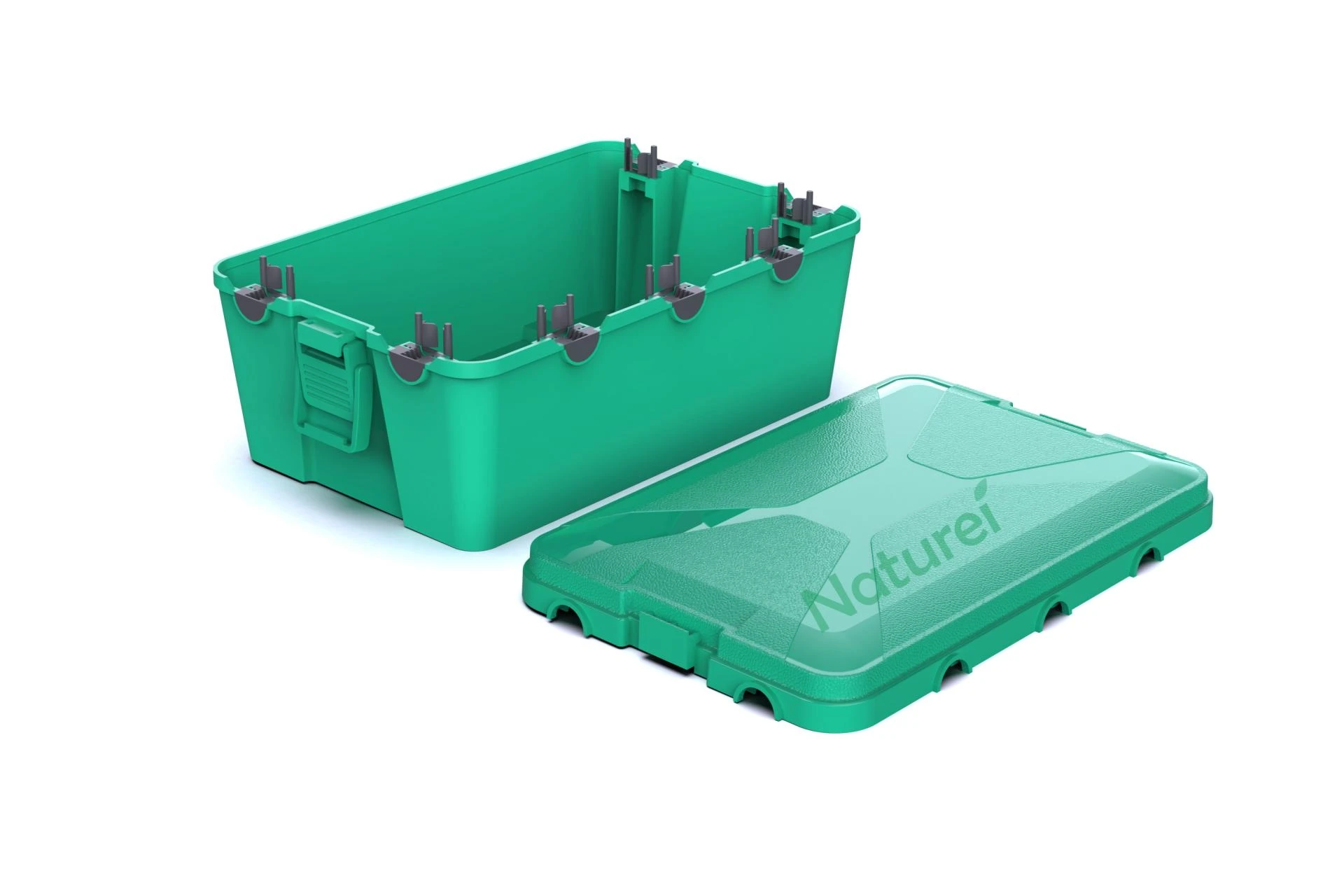
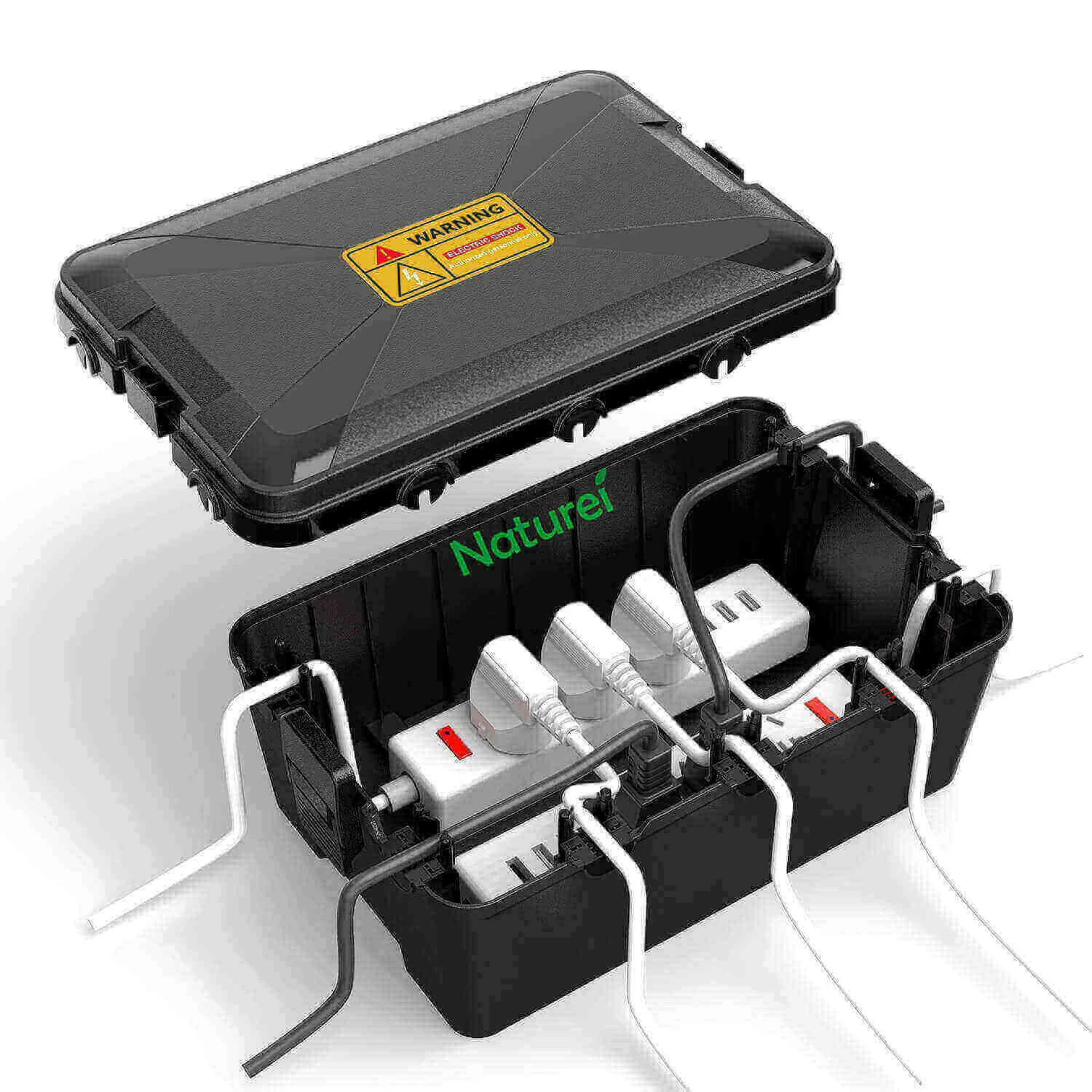
As the use of electrical devices outdoors becomes increasingly common, from garden lighting to power tools, the need to protect electrical connections from the elements has never been more critical. Extension cords, while convenient, are particularly vulnerable to rain, snow, dust, and other environmental hazards. An exposed connection can lead to short circuits, equipment damage, or even dangerous electrical shocks. Weatherproof extension cord boxes provide an essential layer of protection, ensuring that outdoor electrical setups remain safe, functional, and durable. Understanding the design, function, and proper use of these boxes is crucial for anyone seeking to manage outdoor electrical connections safely.
At the heart of the challenge is the unpredictability of outdoor conditions. Unlike indoor environments, where electrical outlets and devices are shielded from weather and debris, outdoor connections face constant exposure. Rain can infiltrate an unprotected outlet or plug, leading to corrosion or a sudden short circuit. Dust and dirt can accumulate, interfering with electrical contacts and increasing resistance. Even sunlight and temperature fluctuations can degrade cords and connectors over time, reducing their lifespan and reliability. In this context, weatherproof extension cord boxes are not merely convenient—they are a critical safety measure that can prevent costly damage and serious injuries.
A weatherproof extension cord box functions as a protective enclosure, typically constructed from durable, non-conductive materials such as high-grade plastic or coated metal. These materials are designed to withstand UV radiation, moisture, and physical impact. The box itself is engineered to create a sealed environment that prevents water ingress, while often providing ventilation to avoid heat buildup. Some models include drip edges or sloped surfaces that allow rainwater to run off without pooling around the cord entry points. The combination of material durability and thoughtful design ensures that cords, plugs, and even small connected devices remain safe under a variety of weather conditions.
The design of weatherproof extension cord boxes often reflects a careful balance between protection and accessibility. Unlike a simple plastic container, these boxes are engineered to allow cords to enter and exit while maintaining a seal against water and debris. Flexible grommets or cord entry points enable the cords to pass through without creating large gaps that could compromise protection. In some cases, adjustable or expandable openings allow multiple cords to be routed simultaneously while keeping each sealed from moisture. This level of design sophistication is particularly important when multiple devices are connected in a single outdoor project, such as a patio lighting system, a landscape irrigation pump, or seasonal holiday displays.
Beyond material and design considerations, installation practices play a key role in maximizing the effectiveness of weatherproof boxes. Placement must account for the natural flow of water, ensuring that the box is not positioned in low spots where rain could pool. Elevating the box on a stand or platform can further protect it from accidental flooding. The orientation of cord entry and exit points is also important; cords should be routed downward or through channels that minimize the chance of water traveling along the cord into the box. When installed correctly, a weatherproof extension cord box provides peace of mind, reducing the likelihood of outdoor electrical failures and maintaining safe operation even during heavy rain or snow.
Safety considerations extend beyond water ingress. Outdoor electrical connections are exposed not only to weather but also to human and animal activity. Children and pets may inadvertently pull on cords, creating tension that can compromise plugs or connectors. Wildlife can chew on cords, damaging insulation and increasing the risk of electric shock. A sturdy, sealed box mitigates these risks by physically protecting the cord junctions and connectors from tampering or accidental contact. In essence, the box acts as both a weather shield and a barrier against potential hazards, reinforcing the safety of outdoor electrical installations.
The benefits of using weatherproof extension cord boxes extend to longevity and performance as well. Electrical cords and devices subjected to repeated exposure to moisture and temperature fluctuations can deteriorate rapidly. Metal contacts may corrode, insulation can crack, and plugs can lose their integrity. By maintaining a controlled, protected environment, a weatherproof box reduces these risks, extending the functional lifespan of cords and connected devices. For homeowners and professionals alike, this translates to fewer replacements, reduced downtime, and lower maintenance costs over time.
While the advantages are clear, not all weatherproof boxes are created equal. Selecting the right box requires understanding the specific demands of the intended application. Size and internal capacity must accommodate the number and thickness of cords in use, ensuring that the box is not overfilled, which could compromise the seal. The ingress protection rating, often indicated as an IP code, provides an objective measure of the box’s resistance to dust and water. Higher-rated boxes offer superior protection, particularly in environments subject to heavy rainfall or exposure to spraying water. The choice of material is also crucial: UV-resistant plastics and powder-coated metals offer better long-term performance under sunlight and other environmental stressors.
Another important consideration is how the box integrates with existing electrical safety measures. Outdoor electrical circuits should always be protected by ground-fault circuit interrupters (GFCIs), which reduce the risk of electric shock in wet conditions. Using a weatherproof extension cord box in conjunction with GFCI-protected outlets enhances safety significantly, providing layered protection against both environmental and operational hazards. For projects requiring extended cable runs or high-power devices, ensuring that the box can accommodate the electrical load is critical to prevent overheating or circuit failure.
In addition to basic protection, many modern weatherproof boxes offer enhanced features for convenience and efficiency. Some include built-in timers, surge protection, or multiple outlet configurations that allow users to manage several devices from a single, safe enclosure. Others incorporate transparent covers that allow visual inspection of the connections without opening the box, further reducing the risk of exposure to moisture. These innovations make outdoor electrical management more practical, particularly for complex installations such as garden lighting displays, water feature pumps, or outdoor entertainment systems.
Weatherproof extension cord boxes also contribute to regulatory compliance. Electrical codes in many regions mandate that outdoor wiring be protected against moisture and physical damage. Using a properly rated enclosure ensures adherence to these requirements, reducing legal liability and aligning with best practices in construction and landscaping projects. For commercial applications, such as outdoor events, construction sites, or landscaping services, compliance with electrical safety codes is essential not only for protecting equipment and personnel but also for insurance and liability considerations.
Environmental factors further reinforce the need for protective enclosures. Outdoor conditions vary widely: sudden storms, intense sunlight, freezing temperatures, and high winds can all affect exposed electrical connections. Rainwater can find its way into tiny gaps, snow can melt and seep along cords, and UV radiation can degrade materials over time. A weatherproof box, properly sealed and installed, mitigates the impact of these environmental stresses, ensuring that electrical devices continue to function reliably despite fluctuating conditions. It creates a stable microenvironment that protects both the cords and the connections, reducing the likelihood of unexpected interruptions or failures.
From a practical perspective, adopting weatherproof extension cord boxes simplifies maintenance and troubleshooting. By consolidating multiple connections within a single protected enclosure, it becomes easier to inspect, replace, or adjust devices without disturbing the entire setup. Clear access to plugs and connectors facilitates routine checks for corrosion, wear, or loose connections. Furthermore, the contained environment reduces the accumulation of debris, insects, or dirt around the electrical contacts, minimizing routine cleaning and ensuring safer handling. For professionals managing large outdoor installations, these efficiencies can translate into significant time savings and operational reliability.
The integration of weatherproof boxes also reflects a proactive approach to risk management. Electrical failures can have serious consequences, from damaged equipment to fires or personal injury. By investing in protective enclosures, homeowners and professionals reduce the probability of these events, creating a safer environment for family, employees, or the public. The cost of a weatherproof box is typically minimal compared to the potential losses associated with damaged devices, downtime, or safety incidents. In this sense, the boxes represent both a practical tool and an insurance policy for outdoor electrical systems.
In addition to physical protection, these enclosures support operational flexibility. Users can extend outdoor activities without concern for weather interruptions, manage seasonal equipment efficiently, and adapt installations as needed. For example, holiday lighting setups can be connected and managed safely without frequent disassembly or exposure to rain. Landscape irrigation systems, water features, and outdoor entertainment devices can operate continuously, with cords and connections shielded from environmental hazards. This flexibility enhances the usability and appeal of outdoor spaces, enabling year-round enjoyment and efficient operation of electrical devices.
Design considerations also influence the usability of weatherproof boxes. Boxes with hinged or removable covers simplify cord insertion and inspection, while secure latching mechanisms ensure that the protective seal remains intact. Some models incorporate cable management features, allowing cords to be neatly routed without kinking or tangling. These design elements not only improve safety but also enhance convenience, ensuring that outdoor electrical setups are orderly and easily maintainable. The balance of protection, accessibility, and practicality is central to selecting a weatherproof box that meets the demands of specific projects.
While weatherproof extension cord boxes address many challenges of outdoor electrical connections, proper usage is critical to their effectiveness. Cords should be inspected regularly for signs of wear, damage, or corrosion. Boxes must be installed according to manufacturer instructions, ensuring that entry points are sealed and positioned to prevent water accumulation. Overloading the box with too many cords or high-power devices should be avoided, and all connections should be GFCI-protected to reduce the risk of electric shock. Maintenance routines should include checking seals, grommets, and enclosures to ensure that they remain intact and effective over time.
Ultimately, weatherproof extension cord boxes serve as a cornerstone of safe outdoor electrical management. Their value lies not only in preventing water ingress but also in enhancing durability, operational efficiency, regulatory compliance, and user convenience. By choosing a well-designed, properly rated box and installing it thoughtfully, homeowners, landscapers, and professionals can protect equipment, reduce risks, and enjoy the full benefits of outdoor electrical setups without compromise. These enclosures transform potentially hazardous, exposed connections into reliable, manageable, and safe installations suitable for a wide variety of applications.
In conclusion, protecting outdoor electrical connections is essential for safety, reliability, and longevity. Weatherproof extension cord boxes provide an effective, practical solution by shielding cords and plugs from moisture, dust, sunlight, and physical hazards. When combined with GFCI protection, thoughtful installation, and regular maintenance, they significantly reduce the risks associated with outdoor electricity. From garden lighting and irrigation systems to seasonal decorations and power tools, the use of these boxes ensures that outdoor electrical projects operate safely and efficiently year-round. Their role extends beyond mere protection; they facilitate operational efficiency, support regulatory compliance, and enhance the overall reliability of outdoor electrical systems. As outdoor electrical use continues to grow, weatherproof extension cord boxes stand out as indispensable tools for anyone seeking safety, durability, and peace of mind in outdoor power management.