Sourcing industrial packaging equipment is a decision that affects production timelines, operating costs, and product quality for years to come. When the equipment in question is a high-speed water soluble packaging machine, the stakes rise even higher, because few suppliers in the world can deliver the combination of speed, precision, and film-handling expertise that this technology demands. POLYVA has spent years earning its place among the top names in this field, and for many buyers, the company has become the first call rather than a comparison point. This guide walks through the essential considerations for anyone preparing to source high-speed equipment from POLYVA, covering everything from defining requirements to planning for long-term support.
Understanding What High-Speed Means in Water Soluble Packaging
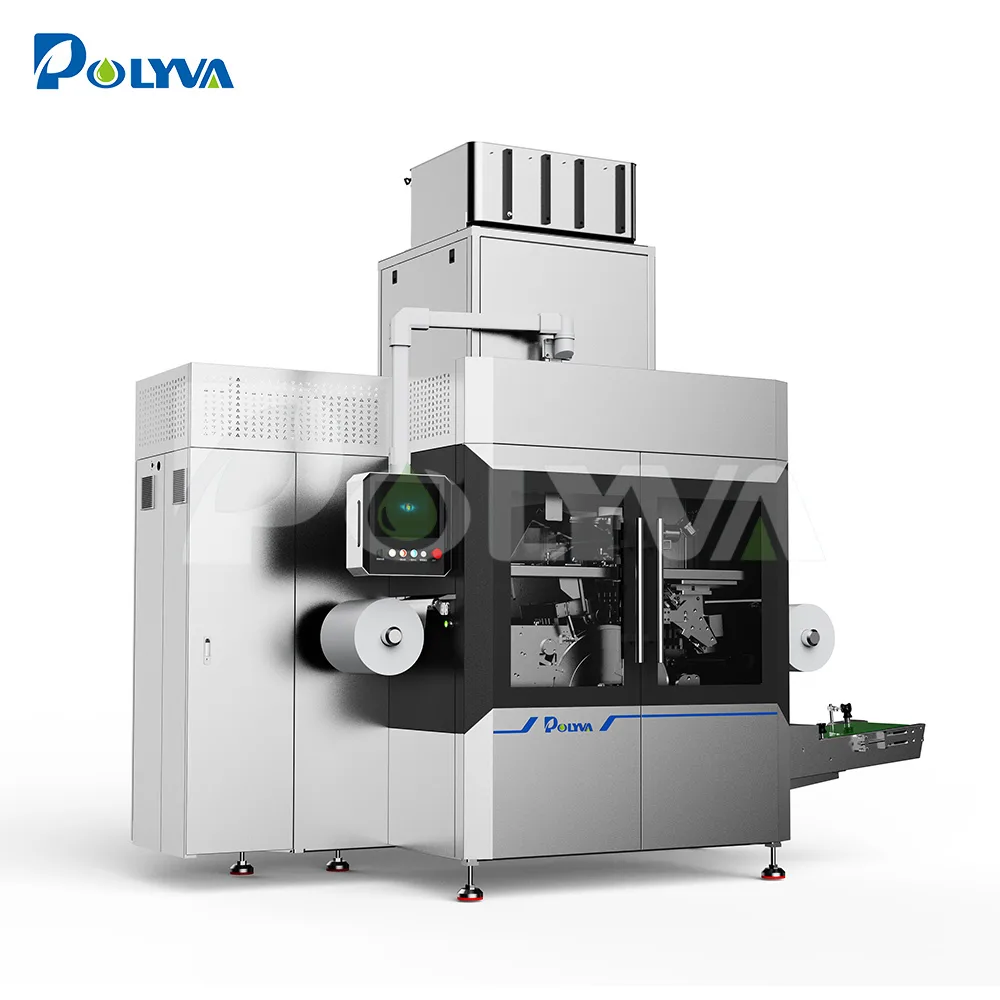
Speed in packaging is not a single number printed on a specification sheet. It is a combination of cycles per minute, film yield, filling accuracy, and the ability to maintain all of these without sacrificing seal integrity. POLYVA's high-speed machines are engineered to run water soluble films at rates that meet the demands of large-scale production, but the company is careful to define performance in realistic terms. Buyers should understand that actual output depends on pouch size, fill material, film thickness, and ambient conditions. A productive first step is to discuss production targets openly with POLYVA's team so the right machine class is recommended from the outset.
Defining Your Production Requirements Before You Buy
Too many equipment purchases go wrong because the buyer and supplier never aligned on expectations. Before approaching POLYVA, it helps to compile a clear picture of your operation. What product will be packaged, and in what dose size? What is the target output per shift, and how many shifts will run each day? What film type is preferred, and does the product react with moisture or temperature? Will the machine operate in a cleanroom, a standard factory floor, or a facility with limited space? Answering these questions in advance allows POLYVA's engineers to propose a configuration that fits your reality rather than a generic template.
Exploring POLYVA’s Machine Range and Capabilities
POLYVA offers a range of machines that spans pilot-scale units, mid-tier production models, and full high-speed lines designed for continuous operation. The differences between these classes lie in automation level, sealing technology, pouch format flexibility, and control system sophistication. Some models excel at producing small single-dose sachets, while others handle larger pouches or specialized shapes. Many machines can be configured with multiple lanes to multiply output without proportionally increasing floor space. During the sourcing process, it is worth asking which model aligns with your five-year production forecast, not just your current volume.
The Role of Film Selection in Machine Performance
A high-speed machine performs best when paired with the right film, and this is an area where POLYVA's expertise becomes especially valuable. Water soluble films vary in thickness, dissolution temperature, tensile strength, and compatibility with different fill materials. A film that works beautifully for a laundry detergent may behave poorly with an acidic cleaning agent or an oily cosmetic formulation. POLYVA's technical team helps buyers evaluate film options, run trial samples, and confirm that the chosen material will flow smoothly through the machine at high speeds. Getting this step right prevents costly rework later.

Customization Options and Configuration Choices
No two production environments are identical, and POLYVA's approach to customization reflects that reality. Buyers can select from various filling systems, including auger, volumetric, and pump-based options, depending on whether the product is a powder, liquid, or paste. Sealing mechanisms, pouch forming stations, and discharge systems can all be adjusted to suit specific needs. Additional features such as dust extraction, static control, and vision inspection can be integrated for sensitive applications. Discussing these options early in the sourcing conversation ensures the final machine arrives ready to perform rather than requiring on-site modifications.
Installation, Training, and Ramp-Up Support
Receiving a machine is only the beginning of the journey. POLYVA provides installation support, either on-site or through detailed remote guidance, to ensure the equipment is set up correctly from day one. Operator training covers everything from routine operation to film loading, changeover procedures, and basic troubleshooting. This ramp-up period is critical because even the best machine will underperform if the people running it lack confidence. POLYVA's commitment to hands-on support shortens the learning curve and helps buyers reach full production capacity faster.
After-Sales Service and Long-Term Partnership
The true test of a supplier comes after the warranty period ends. POLYVA maintains a spare parts inventory, offers remote diagnostics, and provides scheduled maintenance guidance to keep machines running smoothly for years. Technical questions are answered by people who understand the equipment intimately, not by generic call centers. For buyers, this long-term reliability turns a single purchase into an ongoing partnership. Sourcing from POLYVA is therefore not just about acquiring a machine; it is about gaining a dependable ally in the pursuit of efficient, sustainable packaging production.